Context
A 2026 study reported evidence that Pneumocystis jirovecii has developed resistance-associated mutations under pressure from mycophenolic acid (MPA), an immunosuppressive drug used in organ-transplant patients.
The finding is unusual because MPA is **not prescribed to kill **P. jirovecii. It suggests that even human-targeted medicines can unintentionally create evolutionary pressure on microbes.
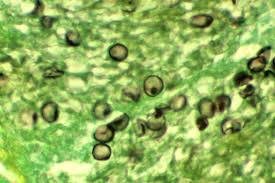
About Pneumocystis jirovecii
- Pneumocystis jirovecii is an opportunistic fungal pathogen.
- It mainly causes disease in people with weakened immune systems.
- It spreads primarily through the airborne route.
- Healthy individuals may carry the organism without developing severe disease.
- Earlier classified as a protozoan, molecular evidence later established it as a fungus.
- Its life cycle includes mainly trophic and cystic/ascus forms.
WHO includes P. jirovecii among its medium-priority fungal pathogens.
What Is Pneumocystis Pneumonia?
Pneumocystis pneumonia (PCP/PJP) is a serious lung infection caused by P. jirovecii.
People at higher risk include:
- those living with HIV/AIDS;
- organ and stem-cell transplant recipients;
- cancer patients;
- people receiving corticosteroids or other immunosuppressive therapies.
Symptoms
Common symptoms include:
- fever;
- dry cough;
- shortness of breath;
- fatigue;
- chest discomfort.
Severe disease can progress to respiratory failure.
How Does It Spread?
The fungus is mainly transmitted through the air from person to person.
Exposure alone does not usually produce severe illness. Disease develops predominantly when host immunity is compromised.
What Did the New Study Find?
Unexpected Drug Selection
Researchers identified resistance-associated mutations linked to mycophenolic acid exposure.
MPA inhibits inosine monophosphate dehydrogenase (IMPDH). Although designed to suppress human immune responses, it can also affect fungal metabolism.
This can create:
Human-targeted drug → Incidental fungal pressure → Resistant variants survive → Resistance-associated mutations become selected
The important insight is that a medicine need not be an antibiotic or antifungal to influence microbial evolution.
Why Is the Finding Important?
- Broader Understanding of Drug Resistance
Traditional AMR surveillance focuses mainly on medicines directly used against pathogens.
This study suggests that non-antimicrobial drugs can also create selective pressure when they interfere with microbial biology.
Therefore, resistance surveillance may need to consider the wider pharmacological environment, not just antimicrobial consumption.
- Transplant-Medicine Paradox
MPA is used to prevent organ rejection, but transplant recipients are already highly vulnerable to opportunistic infections.
The finding therefore links immunosuppressive therapy with microbial evolution in a clinically vulnerable population.
- Resistance Is Difficult to Detect
- jirovecii is difficult to maintain in routine laboratory culture.
As a result, conventional antifungal susceptibility testing and established resistance breakpoints are limited.
- Genomic Surveillance Becomes Important
Where routine culture-based testing is difficult, resistance-associated genetic mutations can provide an alternative warning signal.
This can help identify emerging resistant lineages before they become widespread.
Treatment
The standard treatment for PCP is trimethoprim-sulfamethoxazole (TMP-SMX/co-trimoxazole).
Alternative therapies may be required when patients cannot tolerate TMP-SMX.
Importantly, the new study concerns resistance associated with mycophenolic acid exposure, not evidence that TMP-SMX has universally become ineffective.
Public-Health Significance
The study expands the conventional understanding of antimicrobial resistance.
It shows that microbial evolution can potentially be shaped by the entire drug environment of a patient, including medicines intended to act primarily on human cells.
This supports closer integration of:
- clinical pharmacology;
- fungal genomics;
- transplant medicine;
- hospital surveillance;
- antimicrobial-resistance monitoring.
FAQs
Q1. What is Pneumocystis jirovecii?
An opportunistic fungus that can cause severe pneumonia in immunocompromised people.
Q2. Who is particularly vulnerable to PCP?
People with HIV/AIDS, cancer, organ transplants or significant immunosuppression.
Q3. How is P. jirovecii transmitted?
Primarily through the airborne route from person to person.
Q4. What is the standard treatment for PCP?
Trimethoprim-sulfamethoxazole (TMP-SMX/co-trimoxazole).
Q5. Why is the new resistance finding unusual?
Because the selective pressure appears linked to mycophenolic acid—an immunosuppressant aimed at the patient, not an antimicrobial intended to kill the fungus.