Context
Prime Minister Narendra Modi recently extended greetings on the occasion of Nuakhai, highlighting its association with farmers, harvest and social togetherness.
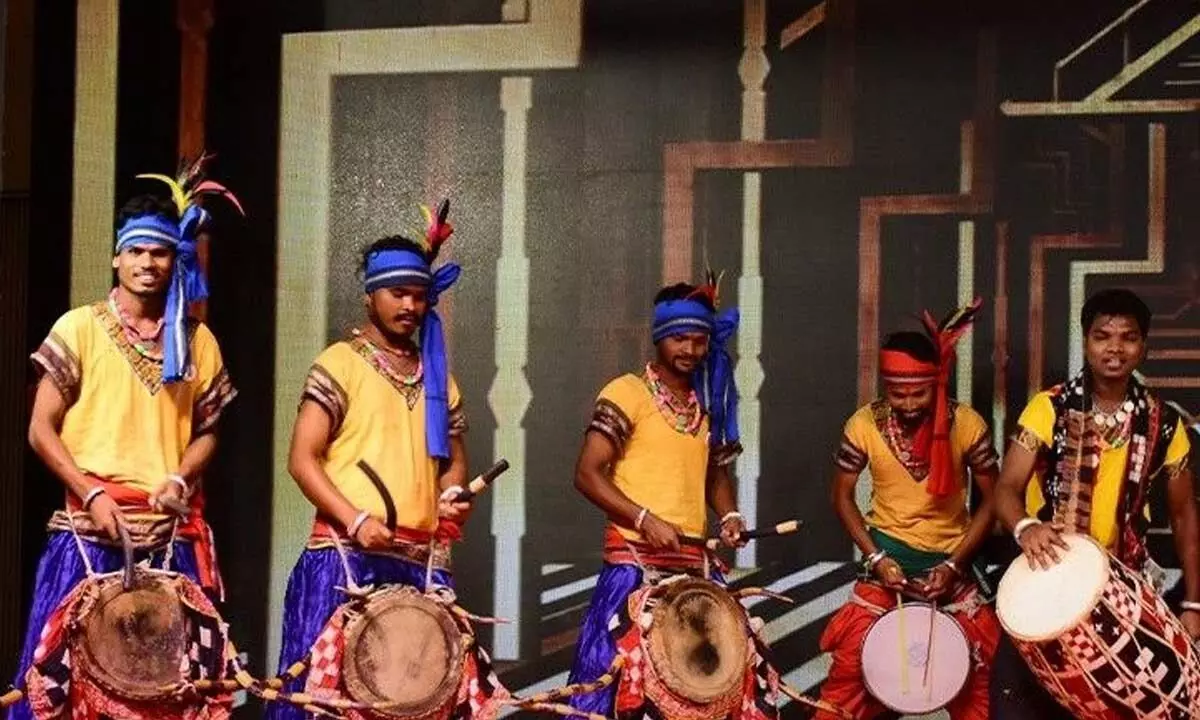
Nuakhai is one of the most important agrarian festivals of Western Odisha and reflects the close relationship between agriculture, community life and regional culture.
About Nuakhai
- The word Nuakhai is derived from:
- Nua – new;
- Khai – food.
- It is a harvest festival marking the ceremonial consumption of newly harvested rice.
- It is celebrated mainly in Western Odisha, especially across the Sambalpur-Balangir region and adjoining areas.
- The festival is generally observed on Bhadraba Shukla Panchami, the fifth day of the bright fortnight of Bhadrapada, usually in August–September.
Its basic sequence is:
New harvest → Ritual offering → Family consumption → Community celebration
Core Rituals
Nabanha Offering
The newly harvested crop, known as Nabanha, is first offered to the presiding deity before it is consumed by the family.
This ritual gives the first produce of the agricultural season a sacred and collective meaning, rather than treating it only as an economic output.
Community Feast
After the offering, families prepare and consume dishes made from the new crop.
The feast marks the beginning of a new agricultural cycle and turns the harvest into a shared social celebration.
Nuakhai Juhar
Younger members seek blessings from elders, while relatives and neighbours exchange greetings.
This ritual reinforces:
Respect for elders + Family bonds + Community solidarity
Cultural Significance
- Regional identity: Nuakhai is deeply associated with the cultural identity of Western Odisha.
- Social cohesion: Collective celebrations strengthen bonds among families, neighbours and village communities.
- Inter-generational continuity: Rituals such as Nuakhai Juhar transmit social values and customs from one generation to the next.
- Living tradition: The festival preserves local food practices, folk customs, devotional traditions and community participation.
Thus, Nuakhai functions as a form of living cultural heritage, sustained through repeated community practice.
Agrarian and Ecological Meaning
Nuakhai also reflects the dependence of rural life on natural and seasonal cycles.
- Harvest cycle: Celebration begins only after the arrival of the new crop, linking culture directly with agricultural seasonality.
- Reverence for food: The first produce is offered before consumption, symbolising respect for the land and its productivity.
- Human–nature relationship: The festival acknowledges that livelihood and food security depend on soil, rainfall and ecological balance.
- Collective sharing of surplus: Agricultural abundance is celebrated socially rather than treated only as private economic gain.
The festival therefore reflects a traditional ecological worldview:
Soil → Crop → Deity → Household → Community
FAQs
Q1. In which state is Nuakhai mainly celebrated?
It is mainly celebrated in Western Odisha.
Q2. What does the word Nuakhai mean?
Nua means new and Khai means food.
Q3. What is Nabanha?
It is the newly harvested crop offered to the presiding deity during Nuakhai.
Q4. When is Nuakhai celebrated?
On Bhadraba Shukla Panchami, usually in August–September.
Q5. What is Nuakhai Juhar?
It is the customary exchange of greetings and seeking blessings from elders during the festival.