Context
Indravati Tiger Reserve (ITR) in Bastar, Chhattisgarh, is set to reopen for organised tourism from 1 November, after nearly four decades. The move will facilitate regulated wildlife tourism in the reserve’s remote forest landscape.
About Indravati Tiger Reserve
- Location & Landscape: Located in Bijapur district, Bastar region of Chhattisgarh.
- Indravati Landscape: The reserve, along with Bhairamgarh Wildlife Sanctuary and Pamed Wildlife Sanctuary, forms the Indravati landscape.
- Connectivity: It is connected with Kawal (Telangana), Tadoba-Andhari (Maharashtra) and Kanha (Madhya Pradesh) tiger reserves, facilitating wildlife movement across central India.
- River: The Indravati River forms its northern and western boundaries and partly marks the Chhattisgarh–Maharashtra inter-State boundary.
- Vegetation: It comprises Southern Moist Mixed Deciduous forests, with and without teak, and Southern Dry Mixed Deciduous forests. Major trees include Teak, Achar, Kullu, Shisham, Semal, Haldu, Arjun, Bel and Jamun.
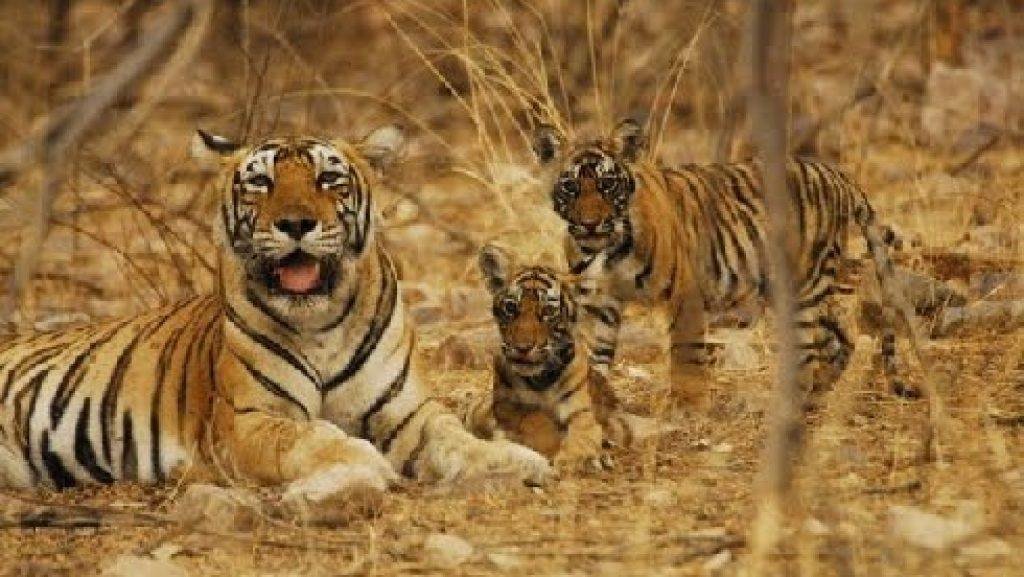
- Wildlife: It supports Wild Water Buffalo, the state animal of Chhattisgarh, along with Tiger, Leopard, Gaur, Sambar, Chital, Nilgai, Blackbuck and Sloth Bear.
Significance
- Conservation Value: Protects a large forest ecosystem in the ecologically important Bastar region.
- Regional Importance: Strengthens wildlife conservation and ecological security in the Central Indian landscape.
- Tourism Potential: Regulated tourism can promote nature awareness and local livelihood opportunities.
Top of Form
FAQs
Q1. Where is Indravati Tiger Reserve located?
Ans: It is located in Bijapur district of Chhattisgarh, in the Bastar region.
Q2. Which river forms the boundary of Indravati Tiger Reserve?
Ans: The Indravati River forms its northern and western boundaries and partly marks the Chhattisgarh–Maharashtra inter-State boundary.
Q3. Which tiger reserves are connected with Indravati Tiger Reserve?
Ans: It has connectivity with Kawal, Tadoba-Andhari and Kanha Tiger Reserves.
Q4. What are the major forest types found in the reserve?
Ans: The reserve contains Southern Moist Mixed Deciduous Forests and Southern Dry Mixed Deciduous Forests, with both teak-bearing and non-teak forests.