Context
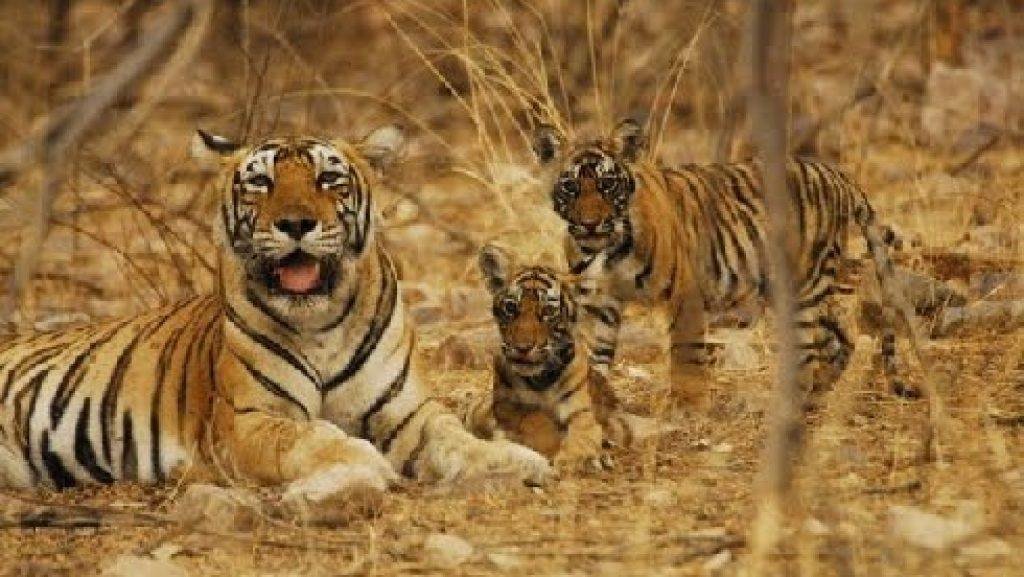
The death of Bijalee, an 18-year-old tigress, at Sanjay Gandhi National Park (SGNP) has brought attention to the park’s tiger population, which now stands at 11.
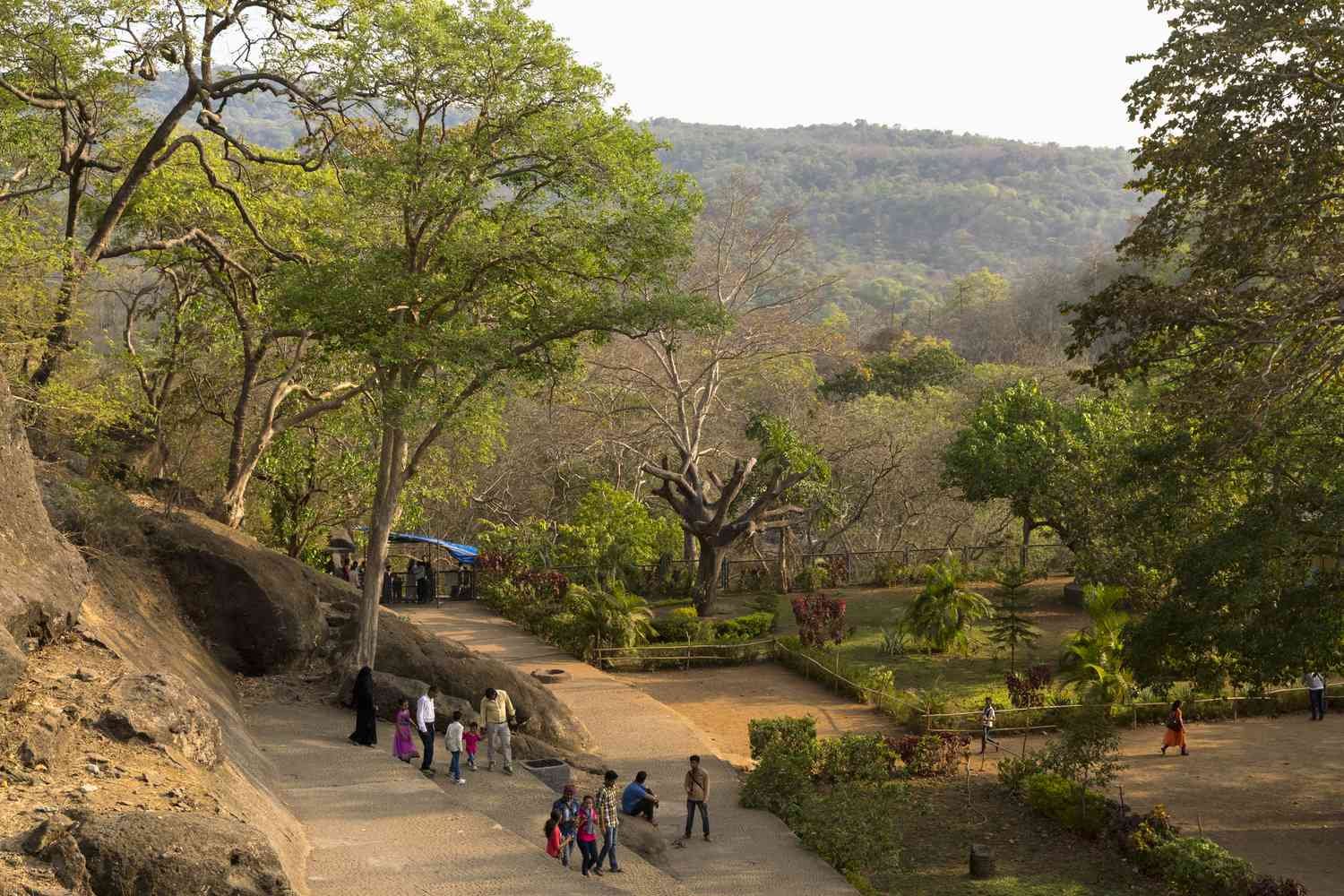
About Sanjay Gandhi National Park
- Location: Borivali, northern Mumbai, Maharashtra.
- Area: 103 sq km, covering nearly 20% of Mumbai’s geographical area.
- It is a major protected area within a metropolitan city.
- Formerly known as Krishnagiri National Park, it was renamed Borivali National Park (1974) and Sanjay Gandhi National Park (1981).
Key Features
- Kanheri Caves: Ancient Buddhist caves carved in basalt, featuring viharas, stupas and prayer halls; they served as centres of Buddhist learning and pilgrimage.
- Religious Heritage: A Jain temple with three carved idols is located on the route to the caves.
- Water Bodies: Tulsi Lake and Vihar Lake are located within the park.
- Flora: Includes teak, kadamba, karanj, shisham, acacia and euphorbia. Karvi (Karvy) is notable for flowering once in about seven years.
- Fauna: Supports leopard, sambar, chital, barking deer, rusty-spotted cat, hyena, civets, porcupine, Indian hare, flying fox, langur and bonnet macaque.
- Birds and Butterflies: The park supports around 251 bird species and diverse butterfly species.
- Other Features: Includes a deer park, lion safari and Mahatma Gandhi’s Samadhi.
Significance
- Urban Biodiversity: Protects a large natural ecosystem within Mumbai’s metropolitan area.
- Ecological Importance: Conserves wildlife, forests and water resources in an urban setting.
- Cultural Heritage: Houses important sites such as the Kanheri Caves, adding cultural value to the protected area.
- Human–Wildlife Interface: Provides an important setting for understanding wildlife conservation and human–wildlife interactions in cities.
FAQs
Q1. Where is Sanjay Gandhi National Park located?
Ans: It is located near Borivali in northern Mumbai, Maharashtra.
Q2. Which important Buddhist heritage site lies within the park?
Ans: The Kanheri Caves, an ancient Buddhist site excavated in basaltic rock, are located within the park.
Q3. Which two major lakes are associated with the park?
Ans: Tulsi Lake and Vihar Lake.
Q4. What is significant about the Karvi plant found in SGNP?
Ans: Karvi (Karvy) is a flowering plant known for flowering approximately once every seven years.