Context
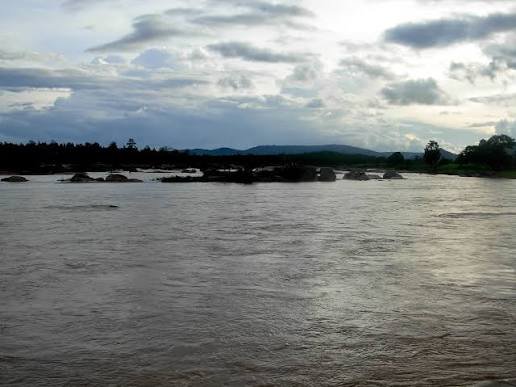
The Sankh River was recently in the news after three minor girls drowned in the river near Salangabahal village, Odisha, while preparing for Karma Puja festival.
About the Sankh River
- Origin: Rises at about 1,000 m elevation near Lupungpat village, Gumla district, Jharkhand, in the Chota Nagpur Plateau.
- Course: Flows through Jharkhand, Chhattisgarh and Odisha before meeting the South Koel River at Vedavyas near Rourkela, where the Brahmani River begins.
- Length: About 240 km.
- Sadni Falls: Forms the 60-metre-high Sadni Falls in Jharkhand, a scarp/knick-line waterfall associated with the plateau terrain.
Geographical Significance
- River System: Forms part of the Brahmani river system and contributes to the drainage of eastern India.
- Inter-State Course: Flows through Jharkhand, Chhattisgarh and Odisha, making it relevant to inter-state water management.
- Plateau Landforms: Its course through the Chota Nagpur Plateau and Sadni Falls illustrates plateau drainage and erosional landforms
FAQs
Q1. Through which states does the Sankh River flow?
Ans: It flows through Jharkhand, Chhattisgarh and Odisha.
Q2. Where does the Sankh River originate?
Ans: It originates near Lupungpat village in Gumla district, Jharkhand, at about 1,000 m elevation
Q3. Which major river system is associated with the Sankh River?
Ans: The Sankh is part of the Brahmani river system.