Context
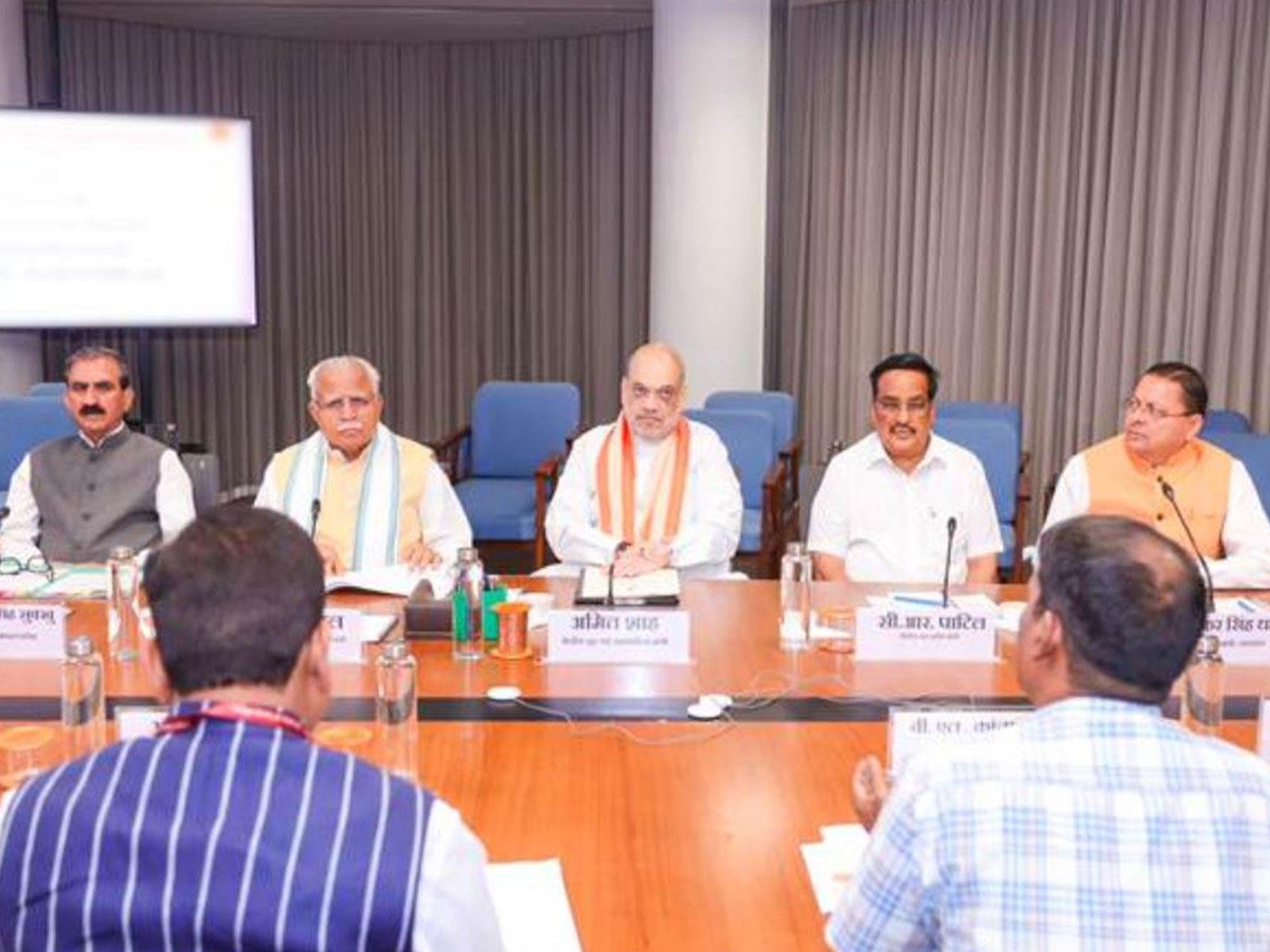
On 15 September 2026, six Yamuna-basin states signed an agreement to revive the ₹15,000-crore Kishau Multipurpose Project, stalled for over eight years due to cost-sharing issues.
About the Project
- Kishau Multipurpose Project is a proposed storage and hydropower project on the Tons River, a major tributary of the Yamuna.
- It is located on the Himachal Pradesh–Uttarakhand border, covering Sirmaur (HP) and Dehradun (Uttarakhand).
- It will have a 232.6-metre-high concrete gravity dam with 1,562 MCM storage capacity.
- The project will generate 1,476 million units of electricity annually and create irrigation potential for about 97,000 hectares, besides supplying water for drinking and industrial use.
Background: Upper Yamuna Storage
- The 12 May 1994 Upper Yamuna Agreement allocated 11.983 BCM of utilisable Yamuna water among the basin states.
- Kishau, along with Lakhwar and Renukaji, is one of three planned storage projects in the Upper Yamuna Basin.
- After Uttarakhand’s creation in 2000, the former Uttar Pradesh share was divided between Uttar Pradesh and Uttarakhand.
- These projects aim to provide storage and regulated water flows in the Upper Yamuna, which historically lacked major storage facilities.
Why the Project Was Delayed
- Cost-benefit concerns: Himachal Pradesh opposed bearing a large share of the project cost, especially for the power component, while downstream states would receive major water benefits.
- Social and environmental impact: The project may submerge about 2,950 hectares, affecting 17 villages and nearly 5,500 people in Himachal Pradesh and Uttarakhand.
How the Dispute Was Resolved
- Central Funding: The Centre will fund 90% of the water component, while the six states will share the remaining 10%.
- Himachal Pradesh’s Arrangement: Its water share will be transferred to Delhi and Rajasthan, which will bear the cost of its power component share.
- Cost-Benefit Balance: The arrangement addresses Himachal Pradesh’s concerns over its financial burden and limited direct water benefits.
Significance
- Water Security: Adds storage for drinking, industrial and irrigation needs in the Upper Yamuna Basin.
- Yamuna Regulation: Enables regulated water releases, improving availability during lean periods and supporting Yamuna rejuvenation.
- Irrigation: Creates irrigation potential for about 97,000 hectares.
- Hydropower: Generates clean hydropower while serving multiple water needs.
- Inter-State Cooperation: Shows how cost-sharing and benefit-sharing can help resolve long-standing inter-state water disputes.
Challenges
- Displacement Risks: Submergence could displace villages, households and local livelihoods.
- Ecological Risks: Dam construction may cause forest loss, biodiversity impacts and changes in river ecology.
- Himalayan Hazards: The region is vulnerable to earthquakes, landslides and unstable slopes, increasing project risks.
- Approval Delays: Detailed Project Report (DPR) preparation, statutory clearances and inter-state coordination could delay implementation.
Way Forward
- Timely Approvals: Complete the DPR, statutory clearances and technical assessments before construction.
- Rehabilitation: Ensure fair rehabilitation and resettlement of affected communities.
- Risk Management: Integrate dam-safety, seismic and climate-risk assessments into project planning.
- Cooperative Management: Ensure transparent water allocation, reservoir operation and inter-state coordination.
- Yamuna Ecology: Balance water storage with sustained river flows and ecological needs.
FAQs
Q1. What is the Kishau Multipurpose Project?
Ans: It is a proposed storage and hydropower project on the Tons River, a major tributary of the Yamuna.
Q2. Which states are associated with the Kishau Project?
Ans: Himachal Pradesh, Uttarakhand, Uttar Pradesh, Haryana, Rajasthan and Delhi are the six participating states.
Q3. How was the Kishau Project dispute resolved?
Ans: The Centre agreed to fund 90% of the water component, along with a special water-for-power cost-sharing arrangement for Himachal Pradesh.