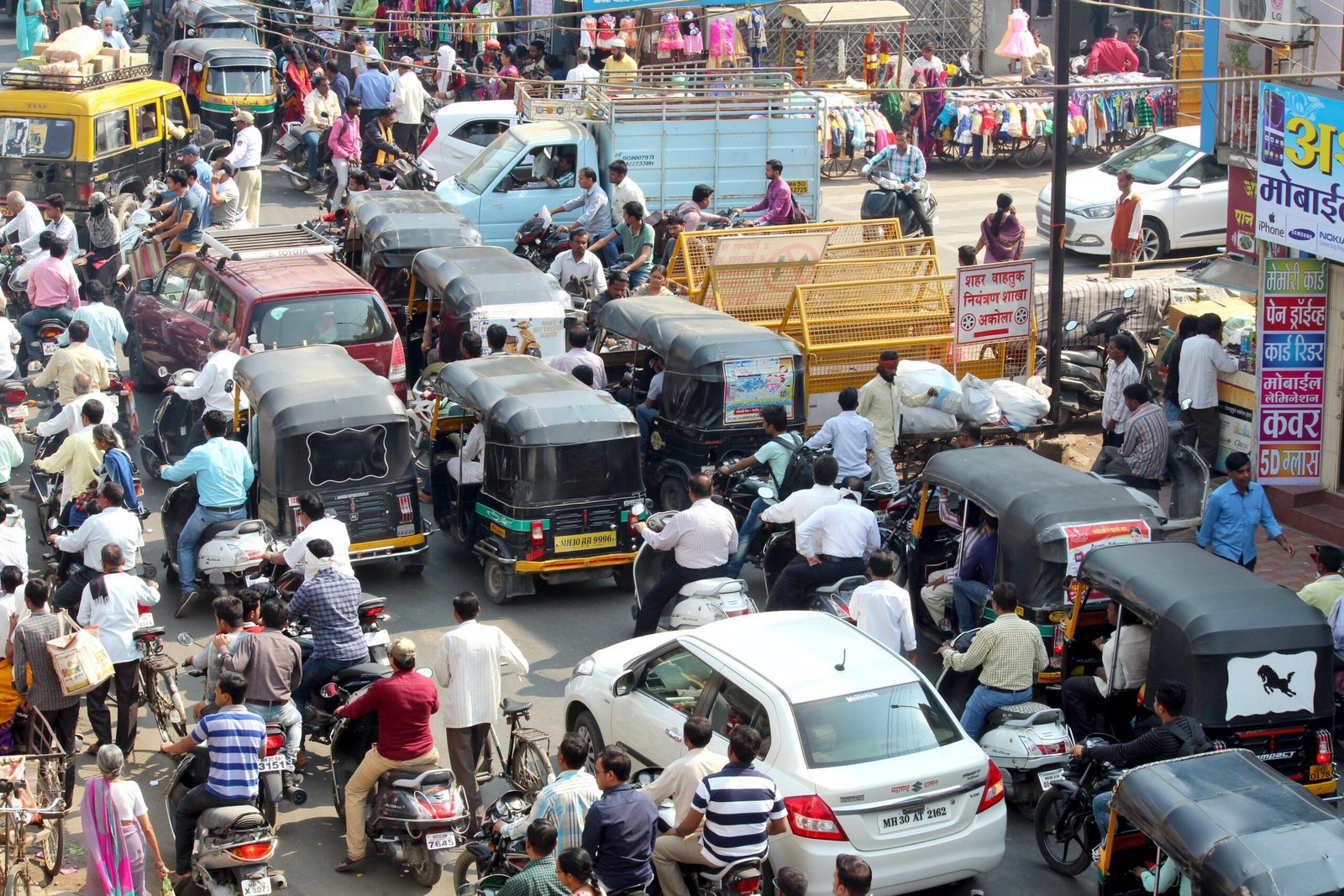
Context
India has about 1% of the world’s vehicles but nearly 11% of road-traffic fatalities. The Supreme Court has urged stronger compliance with helmet, seat-belt and speed regulations despite the Motor Vehicles (Amendment) Act, 2019.
Current Status
- India records around 5 lakh road accidents and 1.8 lakh deaths annually (~500 deaths daily).
- Over-speeding causes nearly 70% of road-accident deaths.
- Pedestrians and two-wheeler users account for about 66% of fatalities.
- According to WHO, raising speed from 40 to 65 km/h can increase crash risk by about 4.5 times.
Major Causes of Road Fatalities
- Human Behaviour
- Over-speeding, drunk/distracted driving and traffic violations are major causes.
- Non-use of helmets/seat belts and mobile-phone use increase fatality risk.
- Unsafe Infrastructure
- Unsafe junctions, crossings and poor pedestrian/cyclist facilities increase crashes.
- About 14,000 black spots exist on National Highways, with nearly 6,000 still unaddressed.
- Older roads often lack guardrails, barriers and other safety features.
- Vehicle Safety Gaps
- Safety varies across vehicle categories; Bharat New Car Assessment Programme (Bharat NCAP) assesses crash safety.
- Gaps remain in crashworthiness, airbags, seat belts and child restraints, especially for two-wheelers and pedestrians.
- Governance and Enforcement
- Traffic-police shortages and uneven enforcement lead to poor compliance.
- Multiple agencies such as MoRTH, NHAI, State PWDs and police often have overlapping responsibilities, causing coordination gaps.
Safe System Approach
- Shifts from blaming road users to designing a system where human errors do not result in death or serious injury.
- Recognises that human mistakes are inevitable, continuous enforcement is impractical, and road and vehicle design affect crash severity.
Key Components
- Safe Roads: Eliminate black spots and improve junctions, crossings, footpaths, barriers and cyclist facilities.
- Safe Speeds: Set limits based on road function, land use and human injury tolerance; use traffic-calming measures where needed.
- Safe Vehicles: Strengthen crashworthiness, airbags, seat belts and child restraints; expand Bharat NCAP.
- Safe Road Users: Ensure compliance with helmet and seat-belt rules and curb drunk, distracted and over-speeding driving through enforcement and training.
- Post-Crash Response: Ensure rapid emergency medical care during the Golden Hour to reduce deaths and serious injuries.
- The approach uses multiple layers of protection, so failure of one safety measure does not necessarily result in death or serious injury.
Way Forward
- Integrated Data: Link police, hospital and transport databases to identify accident causes and high-risk locations.
- Clear Accountability: Assign road-safety responsibility at each administrative and infrastructure level.
- Protect Vulnerable Users: Prioritise pedestrians, cyclists and two-wheeler users through safer infrastructure and enforcement.
- Scientific Speed Management: Align speed limits with road design, land use and human injury tolerance.
- Safer Infrastructure: Address black spots and improve junctions, crossings, barriers and pedestrian facilities.
- Stronger Vehicle Safety: Improve crashworthiness and child-safety standards.
- Outcome-Based Monitoring: Measure progress through reduction in deaths and serious injuries, rather than only accidents or penalties.
FAQs
Q1. What are the major causes of road fatalities?
Ans. Over-speeding, unsafe infrastructure, inadequate vehicle safety, non-compliance and weak enforcement are major causes.
Q2. What is the Safe System Approach?
Ans. It aims to prevent death and serious injury even when road users make mistakes through safer roads, speeds, vehicles, users and post-crash care.
Q3. What are road black spots?
Ans. Black spots are road locations or stretches where accidents occur at an unusually high frequency.
Q4. What is the role of Bharat NCAP?
Ans. Bharat NCAP assesses the crash safety performance of cars and provides safety ratings, helping improve vehicle safety and consumer awareness.
Q5. What is the Golden Hour in road safety?
Ans. The Golden Hour refers to the critical period immediately after a serious injury when rapid medical intervention can substantially improve the chances of survival and recovery.