Context
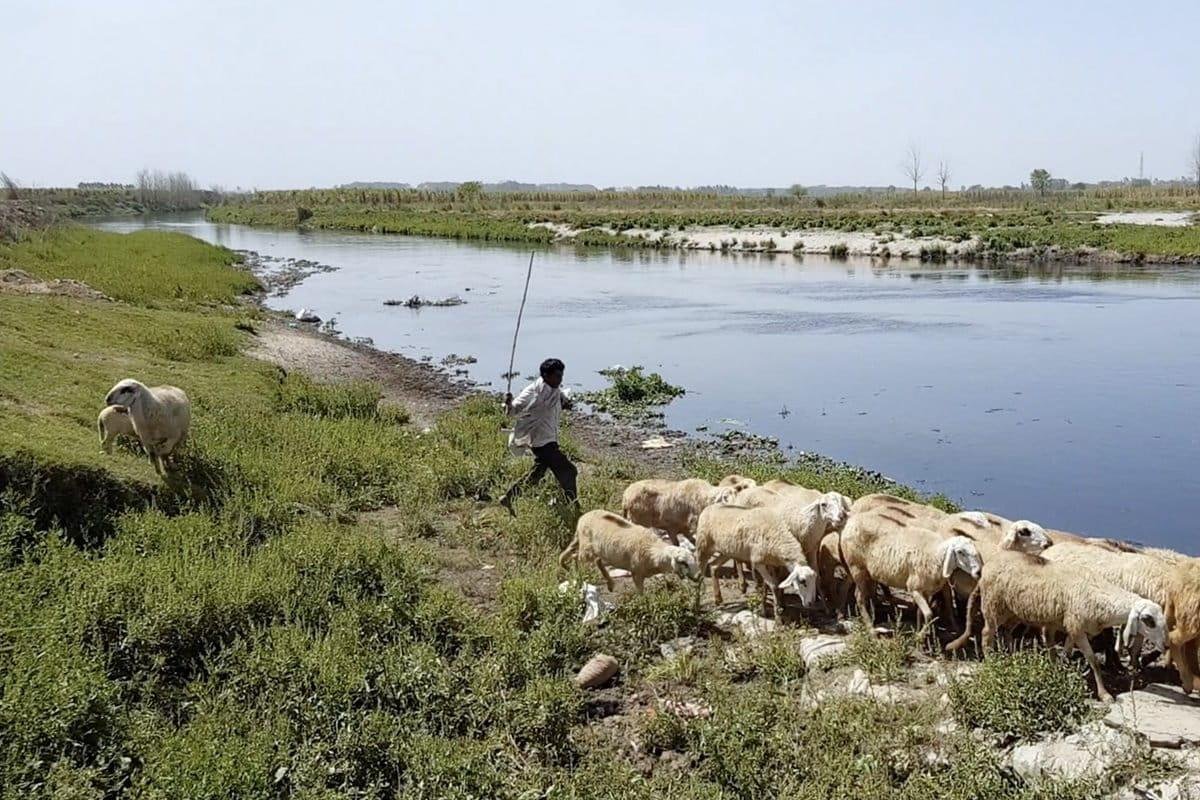
Two men were recently feared drowned in the Hindon River near Haibatpur in Greater Noida, bringing the river into the news.
About Hindon River
- Origin: It originates in the Siwalik Hills of Saharanpur district, Uttar Pradesh, at an elevation of about 800 metres.
- Course: The river flows through the industrial belt of western Uttar Pradesh and Haryana before joining the Yamuna near Noida.
- Length and Drainage: It is approximately 400 km long and is primarily rain-fed, with substantially higher flows during the monsoon.
- Tributary of Yamuna: The Hindon is an important tributary of the Yamuna River and forms part of the Ganga river system.
- Major Tributaries: The Kali (West) River and Krishni River are its major tributaries.
Historical Significance
- Harappan Civilization: Archaeological sites along the Hindon basin provide evidence of Harappan-era settlements, highlighting the importance of the river system in early human habitation.
- Revolt of 1857: The Hindon region witnessed several clashes during the Revolt of 1857, including the Battle of Badli-ki-Serai. Remains associated with British soldiers can still be found along the river.
Environmental Concerns
- Industrial Pollution: The river passes through a highly industrialised region, exposing it to untreated industrial effluents and chemical pollution.
- Urban and Agricultural Waste: Discharge of sewage, urban waste and agricultural runoff has severely degraded water quality.
- ‘Dead River’ Status: In 2015, the Central Pollution Control Board (CPCB) identified extremely high levels of pollution in parts of the Hindon, with several stretches considered unfit even for bathing.
- Impact on the Yamuna: Since the Hindon ultimately joins the Yamuna, pollution in the river contributes to the wider water-quality crisis of the Yamuna–Ganga basin.
Ecological Significance
- Floodplain and Wetlands: The river and its associated floodplains and wetlands provide ecological functions such as groundwater recharge, flood regulation and habitat support.
- Monsoon Dynamics: Being primarily rain-fed, the river experiences strong seasonal variations in discharge, with increased flood risk during intense monsoon rainfall.
FAQs
Q1. Hindon River is a tributary of which major river?
It is a tributary of the Yamuna River.
Q2. Where does the Hindon River originate?
It originates in the Siwalik Hills of Saharanpur district, Uttar Pradesh.
Q3. Where does the Hindon River join the Yamuna?
It joins the Yamuna near Noida.
Q4. What is the approximate length of the Hindon River?
It is approximately 400 km long.
Q5. Is the Hindon a perennial river?
It is primarily a rain-fed river, with significantly greater discharge during the monsoon.
Q6. What are the major tributaries of the Hindon?
The Kali (West) and Krishni Rivers are its major tributaries.
Q7. Why is the Hindon environmentally important?
It forms part of the Yamuna–Ganga river system, but severe industrial, urban and agricultural pollution has degraded several stretches of the river.