Context
The U.S. FDA has recently approved Zanvastro (zilganersen) as the first disease-modifying treatment for Alexander disease in both children and adults.
About Alexander Disease
- Normally, the brain’s white matter contains myelin, a protective covering around nerve fibres that helps messages travel quickly through the nervous system.
- In Alexander disease, a rare genetic disorder, this protective myelin gradually gets damaged, affecting the normal functioning of the brain and nervous system.
- The disease is mainly caused by a mutation in the GFAP gene, which is responsible for producing a protein that supports certain brain cells.
- Due to this mutation, an abnormal amount of GFAP protein builds up inside brain cells, forming clumps known as Rosenthal fibres.
- This buildup damages brain cells and the myelin surrounding nerve fibres, disrupting communication within the nervous system.
- As the damage progresses, patients develop problems such as seizures, developmental delay, muscle stiffness, difficulty speaking, swallowing problems and poor coordination.
- The symptoms vary with the age of onset:
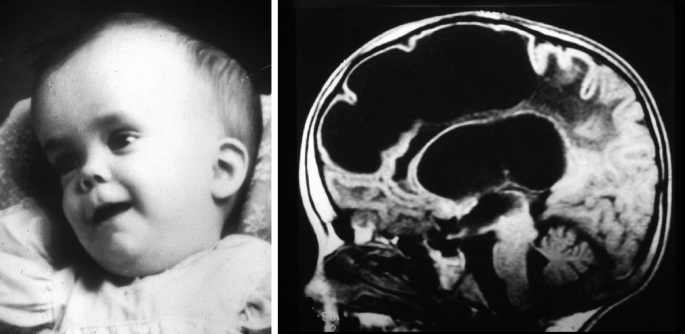
- Infantile form: Enlarged head, seizures, stiffness, developmental delay and intellectual disability.
- Juvenile/adult form: Speech and swallowing difficulties, seizures and problems with balance and coordination.
- Neonatal form: Rare and may cause severe developmental problems, seizures and fluid buildup in the brain.
- In most cases, the GFAP mutation develops spontaneously in the affected person rather than being inherited from the parents. In rare cases, it can be inherited.
Treatment
- There was previously no treatment that could directly slow the underlying disease; treatment mainly focused on managing symptoms.
- The U.S. FDA has now approved Zanvastro (zilganersen), the first disease-modifying treatment for Alexander disease.
- The therapy targets the underlying problem by reducing the production of abnormal GFAP protein, potentially slowing disease progression.
- This is a significant development because Alexander disease is progressive and often fatal, and patients previously had no approved disease-modifying treatment.
FAQs
Q1. What is Alexander disease?
A rare genetic disorder where myelin in the brain’s white matter is progressively damaged, impairing nervous‑system function.
Q2. What causes Alexander disease?
Mutations in the GFAP gene lead to abnormal GFAP protein buildup inside brain cells, forming Rosenthal fibres that damage cells and myelin.
Q3. What are the main symptoms?
Seizures, developmental delay, muscle stiffness, speech/swallowing difficulties, poor coordination; severity varies by age of onset (infantile, juvenile/adult, neonatal).
Q4. Is Alexander disease inherited?
Most cases arise from spontaneous GFAP mutations; rarely, it can be inherited from parents.
Q5. What is the new treatment approved by FDA?
Zanvastro (zilganersen), the first disease‑modifying therapy, reduces abnormal GFAP protein production, potentially slowing disease progression.