Context:
India and Germany are holding the 4th Indo-German Environment Forum in New Delhi under the theme ‘Together for More Resilience’. The forum highlights bilateral cooperation on climate action, environmental protection and sustainable development.
About Germany
- Location: Germany is located in Central Europe and occupies a strategic position between Western and Eastern Europe.
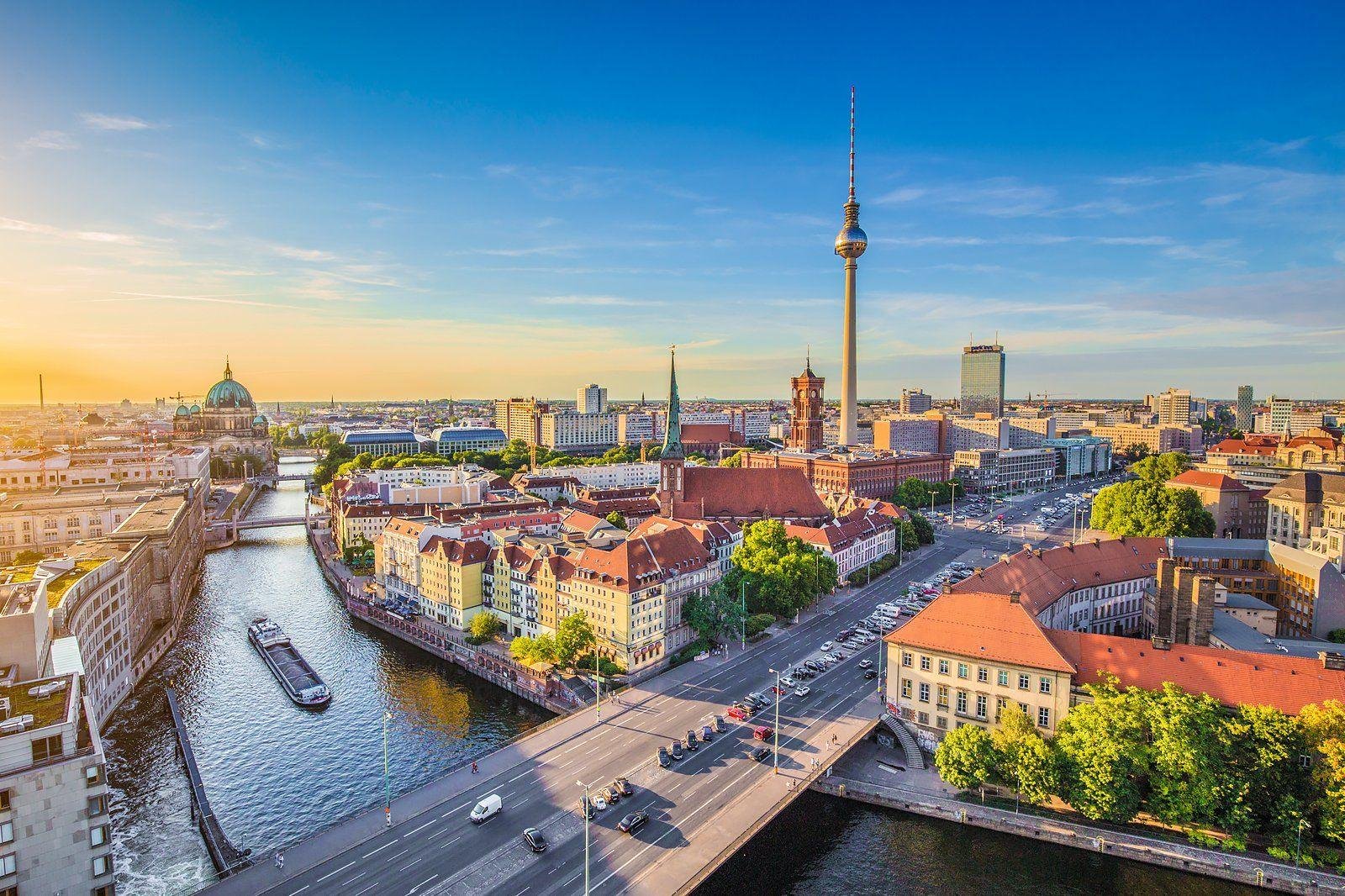
- Capital:
- Land Borders: Germany shares land boundaries with nine countries – Denmark, Poland, Czech Republic, Austria, Switzerland, France, Luxembourg, Belgium and the Netherlands.
- Maritime Location: It is bordered by the North Sea in the northwest and the Baltic Sea in the northeast, giving it access to important European maritime routes.
- Climate: Germany has a mainly temperate climate, with moderate rainfall and relatively mild seasonal variation compared with more continental parts of Europe.
Major Geographical Features
- Relief: Northern Germany is largely lowland, central Germany has uplands, while the south includes the Bavarian Alps and highlands.
- Major Rivers: The Rhine, Elbe and Danube are among Germany’s most important rivers. They support transport, trade, settlement and industry.
- Lake Constance: A major freshwater lake shared by Germany, Austria and Switzerland.
- Natural Resources: Important resources include lignite, coal, natural gas, iron ore, copper, nickel, potash and uranium.
UPSC-Oriented FAQs
- What is the capital of Germany?
Berlin. - How many countries share a land border with Germany?
Nine. - Which two seas border Germany?
The North Sea and the Baltic Sea. - Which major rivers flow through Germany?
The Rhine, Elbe and Danube. - Why is Germany important for India?
It is an important partner in trade, technology, climate action and sustainable development.