Context
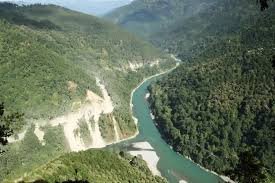
The remains of a 12th-century Mandir-style stone pillar of the Yadava (Seuna) Dynasty have been discovered near the Vena River in Hinganghat, Wardha district, Maharashtra.
About the Yadava (Seuna) Dynasty
- The Yadava (Seuna) Dynasty ruled a powerful Hindu kingdom in the Deccan between the 12th and 14th centuries CE.
- Initially, they served as feudatories of the Western Chalukyas of Kalyani before emerging as an independent power.
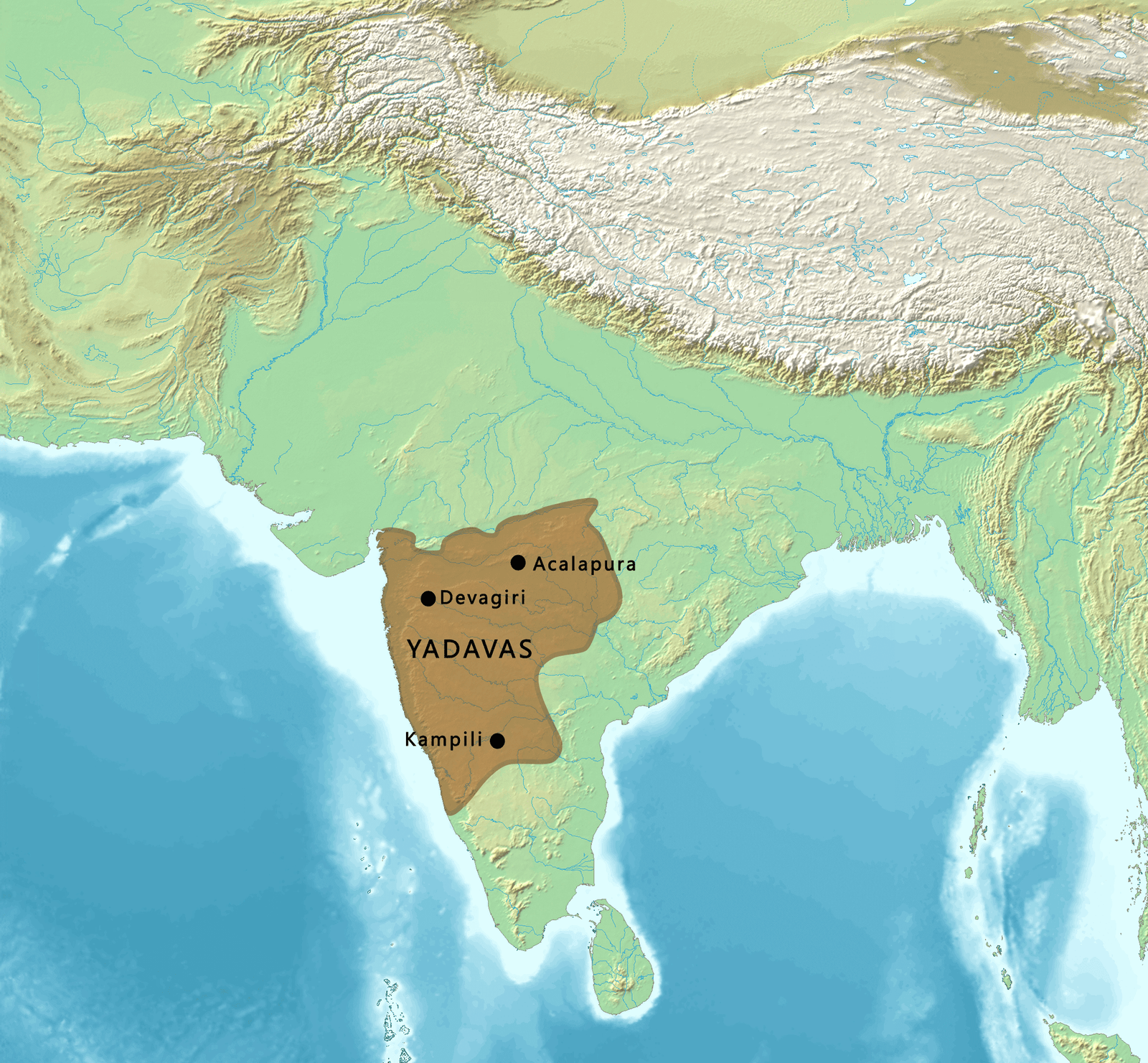
- Bhillama V (c. 1187–1191 CE) established the independent Yadava kingdom and made Devagiri (present-day Daulatabad) its capital.
- Under King Singhana (c. 1210–1247 CE), the kingdom reached its greatest extent, stretching from the Narmada River to the Tungabhadra River and covering present-day Maharashtra, northern Karnataka, and parts of Madhya Pradesh.
- Under Singhana, the Yadavas expanded their kingdom through successful campaigns against the Hoysalas, Kakatiyas, Paramaras, and the Chalukyas.
- During the reign of Ramachandra (1271–c.1309 CE), Alauddin Khalji invaded Devagiri in 1294 CE, forcing the Yadavas to accept the suzerainty of the Delhi Sultanate.
- After Ramachandra’s death, his successor’s attempt to regain independence failed, and the kingdom was annexed by the Khalji Empire in 1317 CE.
- The Yadavas played an important role in the development of Marathi language and culture.
- The dynasty is also associated with the Hemadpanti style of architecture, which uses large stone blocks laid without mortar.