Context
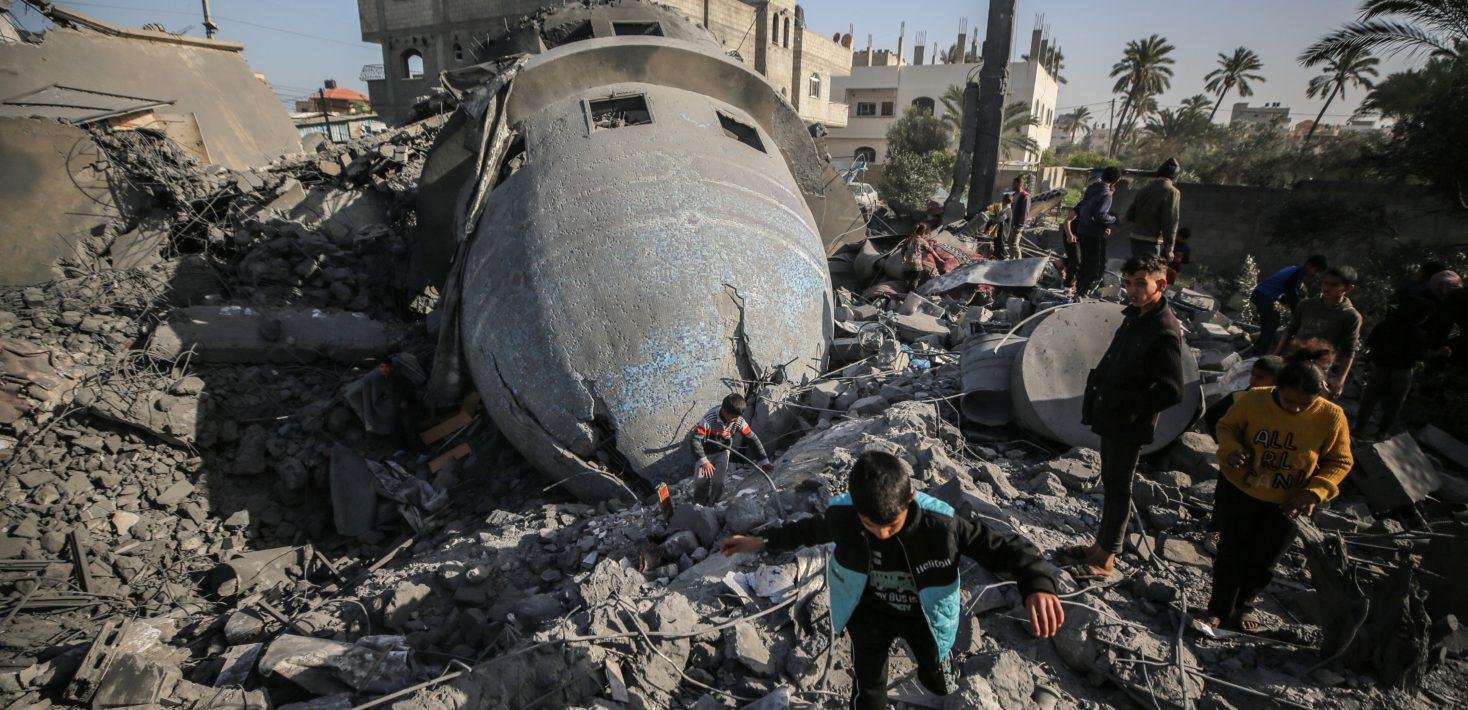
A United Nations Human Rights Council (UNHRC) Commission of Inquiry has released a report alleging that Israel deliberately targeted Palestinian children in Gaza and that these acts may indicate genocidal intent under international law. The report may influence ongoing proceedings before international judicial bodies.
About the Commission
- The report was prepared by the UN Independent International Commission of Inquiry on the Occupied Palestinian Territory (including East Jerusalem) and Israel.
- Established by the UNHRC in 2021, the Commission investigates alleged violations of international human rights and humanitarian law and submits periodic reports.
- It is currently chaired by Justice S. Muralidhar (India), with Florence Mumba (Zambia) and Chris Sidoti (Australia) as members.
- Earlier investigations by the Commission had also raised concerns regarding possible genocidal intent.
Key Findings
- The Commission concluded that Palestinian children were deliberately targeted, rather than being incidental victims of the conflict.
- It cited evidence of targeted killings, including injuries consistent with sniper and drone attacks.
- According to the report, violence continued despite the October 2025 ceasefire, particularly near the Israeli-controlled “Yellow Line” security buffer.
- The report also documented allegations of torture, sexual violence and ill-treatment of children during detention.
- It alleged attacks on schools, orphanages, paediatric hospitals and other civilian infrastructure essential for children’s survival and welfare.
Genocide under International Law
- The 1948 Convention on the Prevention and Punishment of the Crime of Genocide (Genocide Convention) defines genocide as acts committed with the intent to destroy, wholly or partly, a national, ethnic, racial or religious group.
- The same definition is incorporated in Article 6 of the Rome Statute, which governs the jurisdiction of the International Criminal Court (ICC).
- Acts constituting genocide include:
-
- Killing members of the group.
- Causing serious bodily or mental harm.
- Deliberately inflicting conditions of life calculated to bring about physical destruction.
- Imposing measures intended to prevent births within the group.
- Forcibly transferring children to another group.
- Establishing specific intent (dolus specialis) is the essential legal requirement for proving genocide.
Legal Significance
- The Commission has no judicial or enforcement powers, but its findings may serve as corroborative evidence in proceedings before international courts.
- Findings of UN commissions of inquiry have previously been relied upon as evidence in cases before the International Court of Justice (ICJ) and the International Criminal Court (ICC).
Ongoing International Proceedings
- International Court of Justice (ICJ): In South Africa’s case against Israel, the ICJ has recognised that Palestinians in Gaza possess plausible rights under the Genocide Convention and has ordered provisional measures pending adjudication.
- International Criminal Court (ICC): The ICC is examining allegations against senior Israeli leaders for violations of international criminal law. Establishing the chain of command and individual criminal responsibility will be central to the proceedings.
Challenges in Establishing Genocide
- Proving genocidal intent requires a very high evidentiary threshold under international law.
- War crimes, crimes against humanity or ethnic cleansing do not by themselves constitute genocide without proof of the specific intent to destroy a protected group.
- Investigations are further constrained by limited access to evidence, geopolitical pressures and the absence of effective international enforcement mechanisms.
Importance of the Report
- Strengthens the evidentiary basis for international legal proceedings.
- Highlights the role of UN fact-finding mechanisms in documenting alleged violations of international humanitarian and human rights law.
- Reinforces the importance of protecting civilians, especially children, during armed conflicts.
- Reflects the opportunities and limitations of international accountability mechanisms in addressing grave violations of international law.
Conclusion
The UNHRC report adds to the evidentiary record on alleged violations in Gaza and may influence ongoing proceedings before international judicial bodies. However, establishing genocidal intent remains the central legal challenge, and meaningful accountability will ultimately depend on judicial findings, international cooperation and effective enforcement of international law.