Context
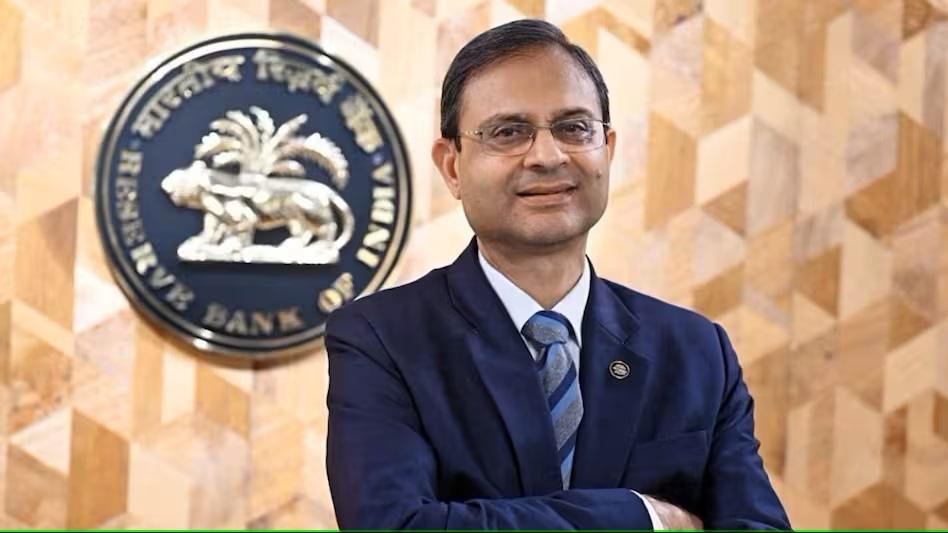
The Monetary Policy Committee (MPC) of the Reserve Bank of India has kept the repo rate unchanged at 5.25% amid geopolitical tensions, elevated crude oil prices, and global economic uncertainty. At the same time, the RBI has revised its growth and inflation projections and announced measures to strengthen foreign capital inflows and external sector stability.
Monetary Policy Stance
- The MPC adopted a cautious and calibrated approach, balancing growth concerns with emerging inflationary pressures.
- Repo Rate: Remains at 5.25%, the rate at which the RBI lends short-term funds to commercial banks.
Implications
- Lending and deposit rates are expected to remain broadly stable.
- A stable interest-rate environment supports consumption, investment, and business planning.
Growth Outlook
- The RBI has lowered its FY27 GDP growth forecast to 6.7%.
- Growth prospects face risks from:
-
- Elevated crude oil prices.
- Geopolitical tensions in West Asia.
- Global supply-chain disruptions.
- Financial market volatility.
- Weather-related uncertainties.
- However, resilient domestic demand and continued expansion in the manufacturing and services sectors provide support to economic activity.
Inflation Outlook
The RBI has raised its FY27 CPI inflation projection to 5.1%, above its medium-term target of 4%.
Key Drivers
- Rising fuel and transportation costs.
- Weather-related risks to agricultural output and food prices.
- Higher input costs and wholesale price pressures.
Policy Outlook
Persistent inflationary pressures could reduce the scope for future monetary easing.
Measures to Strengthen Foreign Capital Inflows
- Concessional Forex Swap Facility for PSUs
- A special forex swap facility has been introduced to encourage External Commercial Borrowings (ECBs) by Public Sector Undertakings.
- The measure is expected to lower borrowing and hedging costs and support infrastructure investment.
- Support for FCNR(B) Deposits
- The RBI will provide full hedging support for banks mobilising Foreign Currency Non-Resident (Bank) [FCNR(B)] deposits.
- These foreign-currency-denominated deposits are maintained by Non-Resident Indians (NRIs) and Overseas Citizens of India (OCIs).
- The initiative is expected to improve foreign exchange liquidity and attract stable capital inflows.
- Liberalisation of Foreign Investment
- The scope of the Fully Accessible Route (FAR) has been expanded by including additional government securities.
- Investment restrictions on eligible securities have been eased to encourage greater foreign participation.
- Investment opportunities for NRIs, OCIs, and other overseas investors have been broadened.
- The RBI has proposed restoring the time limit for realisation of export proceeds to support foreign exchange earnings.
Additional Developments
- Real Effective Exchange Rate (REER)
- The RBI observed that the Indian rupee is not undervalued and may be relatively stronger when assessed through the Real Effective Exchange Rate (REER).
- REER measures a currency’s value against the currencies of major trading partners after adjusting for inflation.
- Banking and Investment Trends
- Healthy competition among banks for deposits can improve financial intermediation and enhance returns for depositors.
- Improving investment indicators point towards a gradual recovery in private sector capital expenditure.
- Polymer Currency Notes
- The RBI is evaluating the feasibility and cost-effectiveness of introducing polymer-based currency notes.
Significance of the MPC Decision
- Balances inflation management with growth considerations.
- Maintains stability in financial markets amid global uncertainty.
- Strengthens foreign exchange liquidity and external sector resilience.
- Promotes capital inflows and deepens domestic financial markets.
- Supports overall macroeconomic and financial stability.
Conclusion
The RBI’s decision reflects a calibrated approach to balancing growth and inflation amid heightened global uncertainty. Combined with measures to strengthen capital inflows and external sector resilience, the policy seeks to preserve macroeconomic stability and support sustainable economic growth.