Context
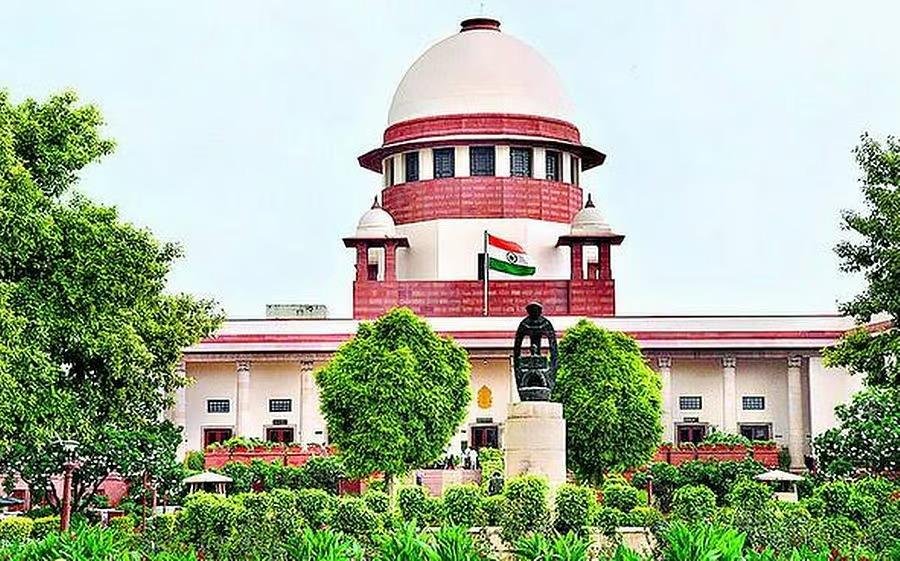
The Supreme Court has referred to a larger bench the issue of whether a person undergoing insolvency proceedings under the Insolvency and Bankruptcy Code (IBC), 2016 can claim protection from prosecution under Section 138 of the Negotiable Instruments Act, 1881. The referral seeks to resolve conflicting judicial interpretations on the applicability of the IBC moratorium to cheque dishonour cases.
Insolvency and Bankruptcy Code (IBC), 2016
- The IBC provides a time-bound mechanism for insolvency resolution and orderly distribution of a debtor’s assets among creditors.
- To facilitate this process, the Code imposes a moratorium that temporarily suspends specified proceedings against the debtor.
Moratorium under IBC
- Section 96 provides an interim moratorium from the date of filing an insolvency application.
- Section 101 provides a statutory moratorium after admission of the application.
- The moratorium prevents creditors from pursuing individual recovery actions during the insolvency process.
Section 138 of the Negotiable Instruments Act, 1881
- Section 138 criminalises the dishonour of cheques issued towards a legally enforceable debt or liability.
- The provision allows for imprisonment, fine, compensation to the complainant, and settlement through compounding.
Nature of the Dispute
- The IBC seeks to ensure equitable treatment of creditors during insolvency proceedings.
- Section 138 proceedings contain both penal and compensatory elements.
- The key question is whether cheque dishonour proceedings should be treated primarily as criminal actions or as mechanisms for debt recovery.
Judicial Interpretation
- P. Mohanraj v. Shah Brothers Ispat Pvt. Ltd. (2021): The Supreme Court held that cheque dishonour proceedings have a substantial compensatory character and may therefore fall within the scope of the IBC moratorium.
- Rakesh Bhanot v. Gurdas Agro Pvt. Ltd. (2025): The Court held that the moratorium cannot be used to halt proceedings under Section 138, as its purpose is to suspend debt recovery actions rather than penal consequences.
Court’s Preliminary View
The Court indicated that different aspects of a cheque dishonour case may require separate treatment:
- Penal Aspect: Prosecution, conviction, imprisonment, and court-imposed fines arise from the criminal nature of the offence and may remain outside the scope of the moratorium.
- Compensatory Aspect: Compensation awarded to the complainant is linked to recovery of money. Allowing such recovery during insolvency proceedings may undermine equal treatment of creditors; therefore, the moratorium may apply to this component.
Significance
- Clarifies the applicability and scope of the IBC moratorium in cheque dishonour proceedings.
- Balances creditor interests with the objectives of insolvency resolution.
- Strengthens certainty in commercial transactions and insolvency jurisprudence.
- May influence the treatment of offences that combine penal and compensatory elements under Indian law.
Conclusion
The dispute highlights the intersection of insolvency law and financial liability. The larger bench’s ruling is expected to clarify the relationship between insolvency proceedings and cheque dishonour cases, while balancing effective debt resolution with the enforcement of legal obligations.