Context
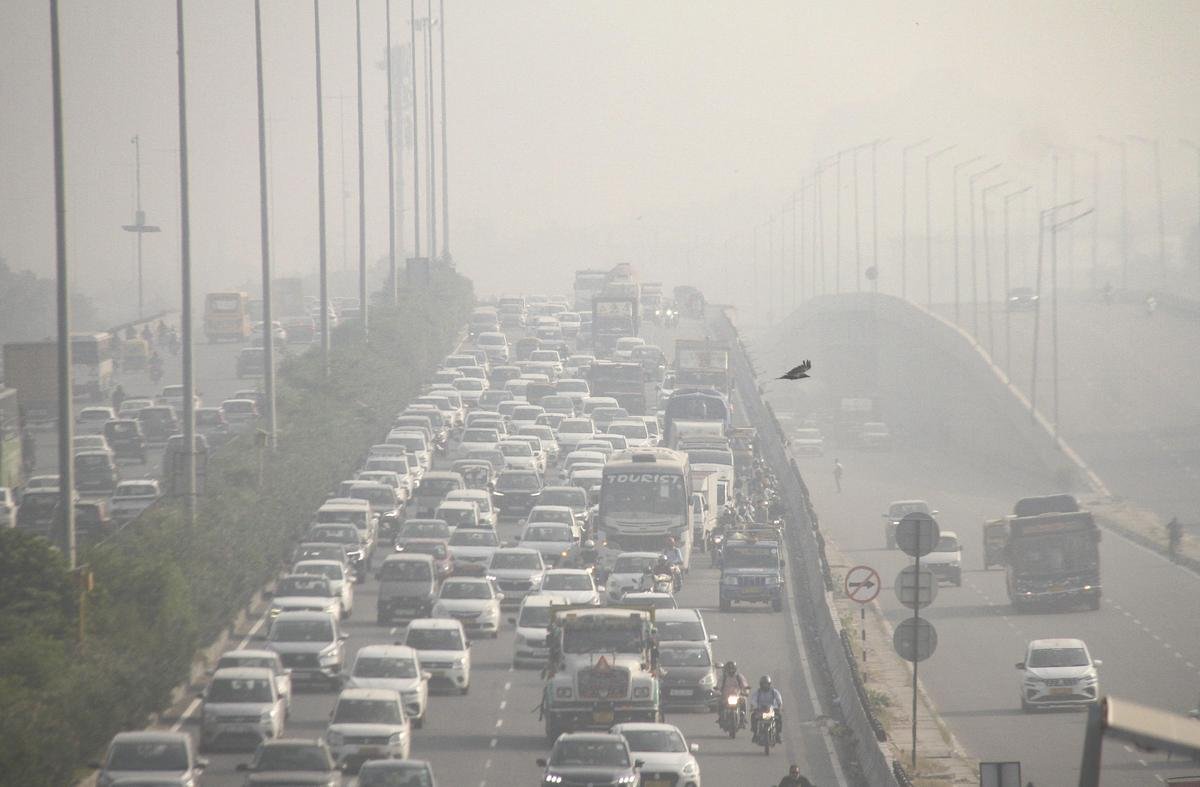
The reimposition of GRAP measures during summer indicates that air pollution in India is no longer confined to winter. PM10 and ground-level ozone have emerged as major summer pollutants, posing growing environmental and public health concerns.
Key Summer Pollutants
- PM10
- Coarse particulate matter (≤10 μm).
- Generated mainly from dust storms, construction activities, and road dust.
- Ground-Level Ozone (O₃)
- Secondary pollutant formed when Nitrogen Oxides (NOx) and Volatile Organic Compounds (VOCs) react in the presence of sunlight.
- Favoured by high temperatures and intense solar radiation.
Health Implications
- Respiratory and cardiovascular ailments.
- Increased vulnerability of children, elderly persons, and outdoor workers.
- Higher healthcare expenditure and productivity losses.
Geographic Spread
Summer pollution is increasingly affecting cities beyond Delhi-NCR, including Mumbai, Chennai, Hyderabad, Bengaluru, and Kolkata.
Challenges and Way Forward
| Challenges | Way Forward |
| Limited focus on summer pollution compared to winter smog. | Adopt a year-round air quality management framework. |
| Inadequate forecasting and public warning systems. | Strengthen early-warning mechanisms and real-time advisories. |
| Weak monitoring and source apportionment of PM10 and ozone. | Expand monitoring networks and improve scientific assessment. |
| Absence of city-specific summer pollution strategies. | Develop dedicated Summer Air Quality Action Plans. |
| Poor enforcement of dust-control and emission norms. | Strengthen compliance and regulatory oversight. |
| Low public awareness regarding health risks. | Promote awareness campaigns and exposure-reduction measures. |
| Fragmented institutional response. | Enhance coordination among environmental, urban, transport, and health agencies. |
Conclusion
The rise of PM10 and ground-level ozone reflects the evolving nature of India’s air pollution challenge. Addressing it requires a year-round approach based on scientific forecasting, effective emission control, stronger institutional coordination, and sustainable urban planning.