Context
A recent survey has recorded a total of 143 odonata species, including 76 dragonflies and 67 damselflies, in which 40 species were found to be endemic to the Western Ghats region.
About Odonata Species
- Odonata, popularly known as dragonflies and damselflies, is an ancient order of insects that is strongly associated with wetlands and freshwater ecosystems such as ponds, rivers, lakes, and surrounding landscapes.
- This order of insects has a global distribution, being most diverse in the tropics, but also present in regions like the boreal forests of Siberia and North America, and across the Southern Hemisphere except Antarctica.
- Odonata is divided into three groups: Anisoptera (dragonflies), Zygoptera (damselflies), and Anisozygoptera, a relict group represented by only two living species.
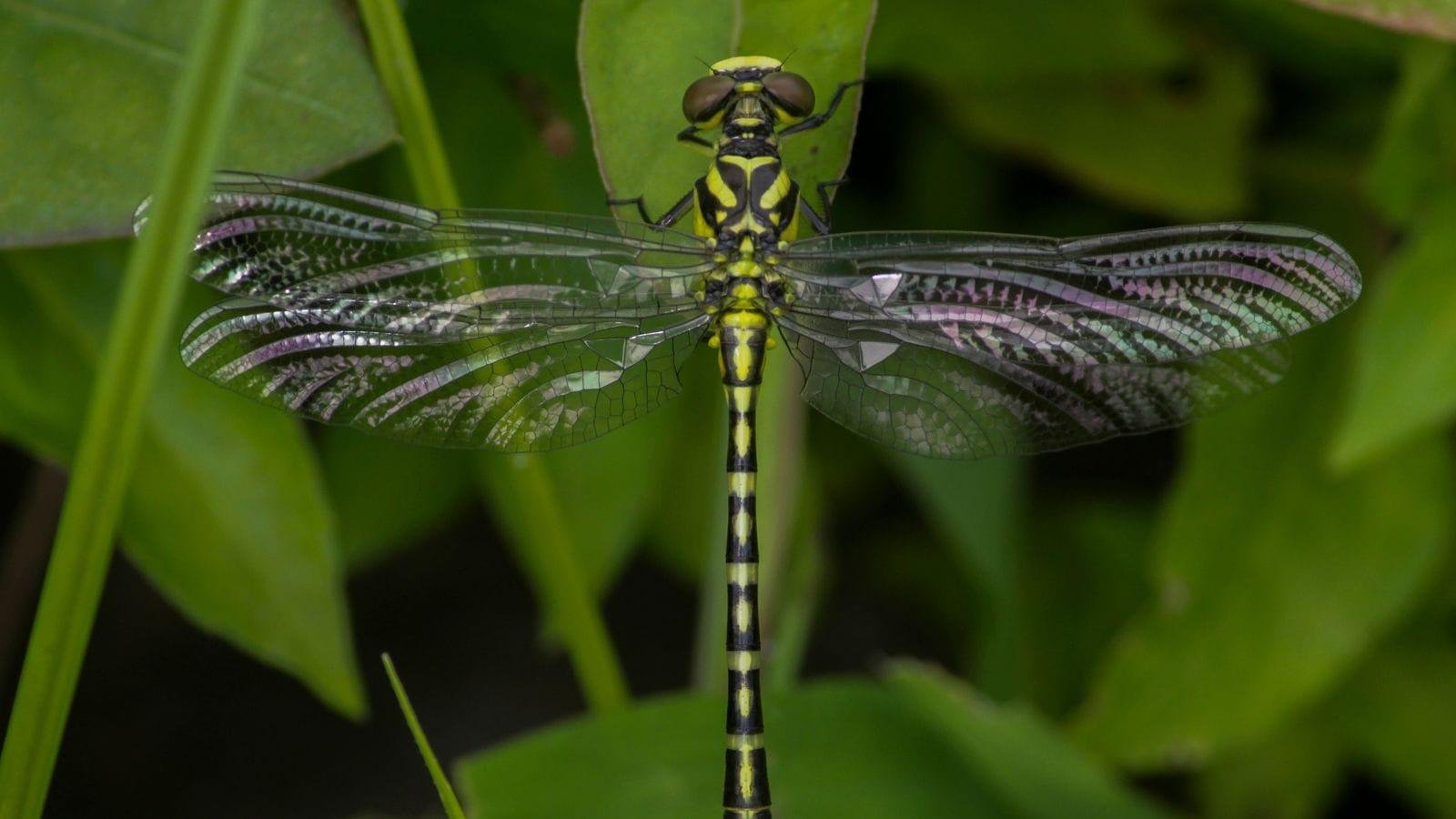
- They are characterised by minute antennae, extremely large compound eyes (covering most of the head), two pairs of transparent membranous wings with many veins, and a long slender abdomen which is usually longer than the wings.
- Their life cycle includes an aquatic larval stage called a nymph, which develops in freshwater habitats before becoming an adult insect.
- A key biological feature is that more than 80% of their brain is devoted to visual processing, which supports their highly visual and active lifestyle.
- These insects are typically diurnal (active during the day), fast-flying, and often brightly coloured, and are commonly seen flying near water bodies.
- Both adult odonates and their aquatic larvae are voracious predators, feeding on other insects and small aquatic organisms, making them important for freshwater ecosystem balance.