Important questions for UPSC Pre/ Mains/ Interview:
|
Context
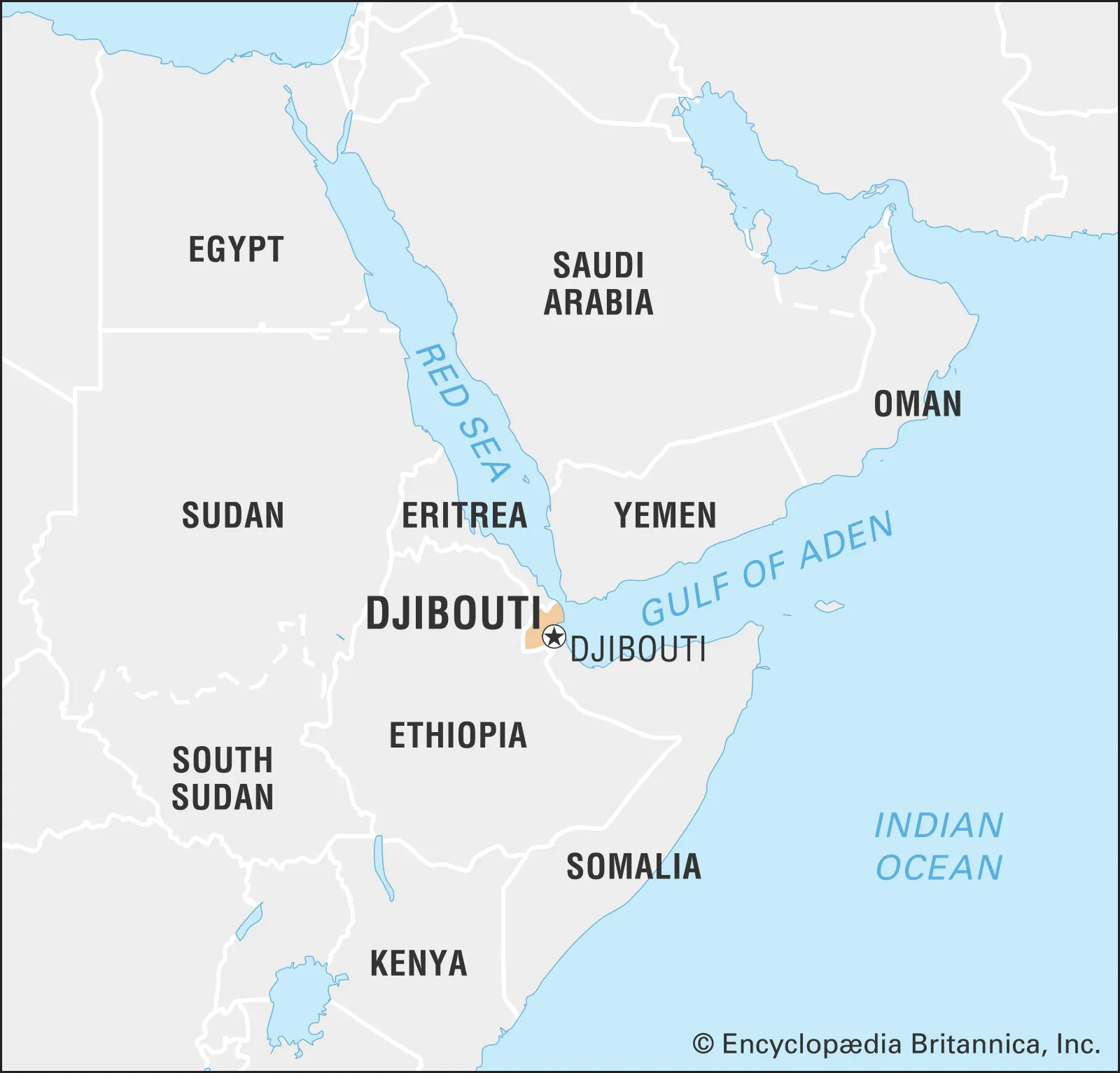
Rising geopolitical tensions involving Iran have raised concerns about a possible return of stagflation—a condition of high inflation alongside low economic growth. Historical oil shocks show that energy disruptions can significantly destabilise economies, including India’s.
Q1. What is stagflation?
- Combination of:
- Stagnation (low or negative growth)
- Inflation (rising prices)
- Known as: “Worst of both worlds”
- Occurs when economic activity slows but prices continue to rise
Q2. What caused stagflation in the past?
- 1973 Oil Shock
- Yom Kippur War → Oil embargo
- 1979 Oil Shock
- Iranian Revolution + Iran-Iraq War
- Impact:
- High inflation + low growth in US, UK
- Later shocks:
- 2008 → Slow growth, low inflation
- 2022 → High inflation, limited growth slowdown
Q3. How does stagflation occur?
- Trigger: Negative supply shock
- Causes: Wars, pandemics, trade disruptions
- Economic effect: Supply curve shifts left
- Outcome:
- Higher prices (inflation)
- Lower output (growth slowdown)
Q4. Why is the current Iran conflict more serious?
- Dual impact: Price shock + supply disruption
- Not just cost increase:
- Risk of energy shortages (oil, gas, LPG)
- Consequences:
- Industrial slowdown
- Disrupted global supply chains
- Risk level: Higher than previous recent shocks
Q5. Why is India more vulnerable today?
- High dependence on imported energy.
- Expanded usage of petrochemicals in multiple industries.
- Affected sectors: Fertilisers, plastics, manufacturing
- Structural issue: Interconnected supply chains amplify shocks
- Result: Greater economic sensitivity
Q6. Why is stagflation difficult to manage?
- Policy trade-off:
- Control inflation → raise interest rates → slows growth
- Boost growth → increase spending → worsens inflation
- Core issue: Supply-side problem
- Limitation: Fiscal and monetary tools target demand, not supply
Q7. What is the way to address stagflation?
- Short-term Measures
- Ensure energy supply continuity
- Use strategic reserves
- Supply-side Solutions
- Restore disrupted supply chains
- Diversify energy sources
- Economic Strategy
- Improve domestic production capacity
- Reduce import dependence
- Policy Coordination: Balance inflation control with growth support
Conclusion
The Iran-related geopolitical tensions highlight the real risk of stagflation driven by energy supply disruptions. Addressing this challenge requires a shift from demand-side management to supply-side resilience, energy diversification, and strategic policy coordination to maintain economic stability.