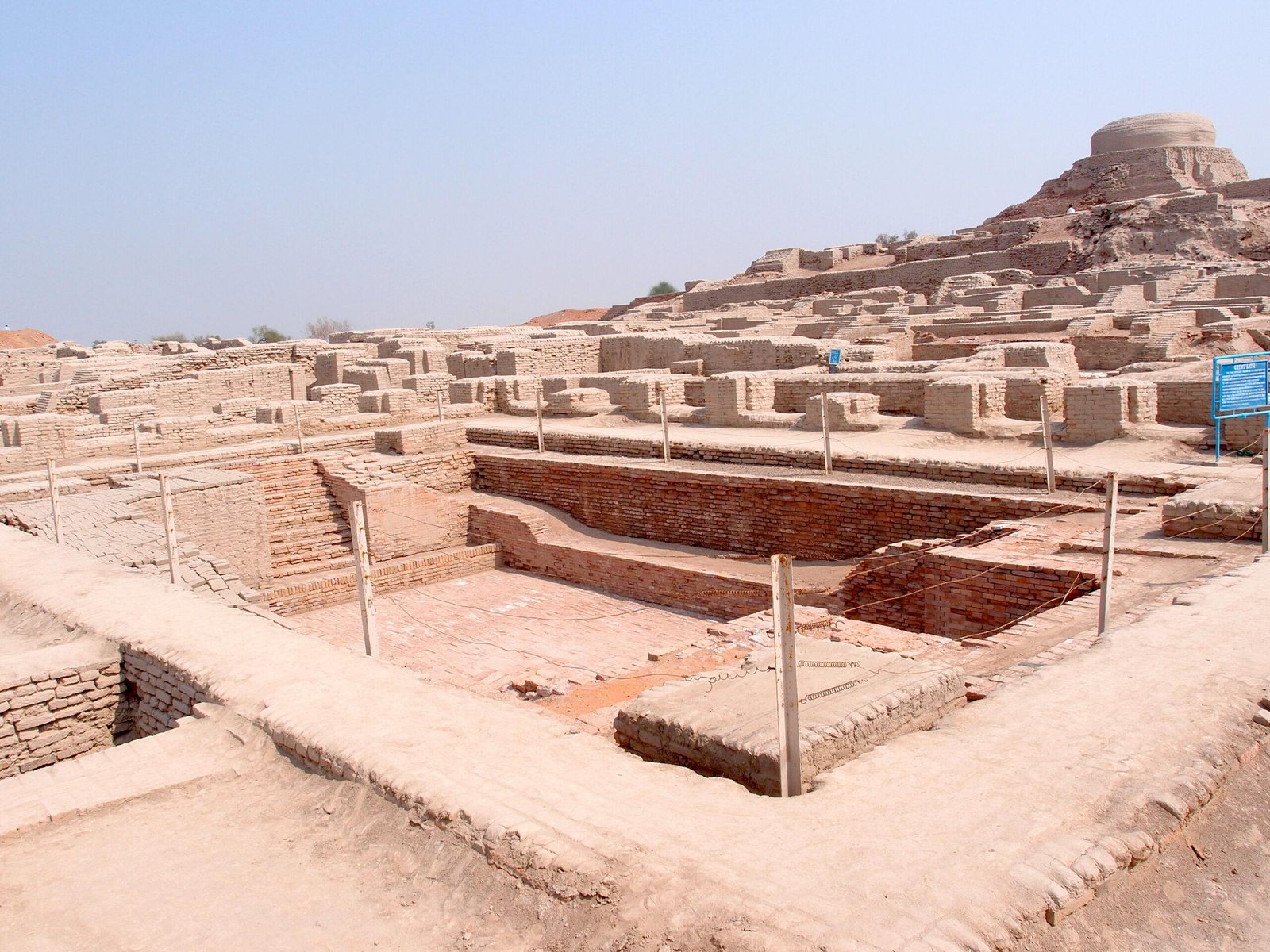
The Harappan Civilization, also known as the Indus Valley Civilization (IVC), stands as the earliest known urban culture in South Asia. Thriving between 2600 BCE and 1900 BCE, it covered a staggering 800,000 sq. km across present-day India and Pakistan. While contemporary civilizations in Egypt and Mesopotamia focused on monumental architecture like pyramids and palaces, the Harappans prioritized practical functionality, sanitation, and egalitarian urban design. Their sophisticated grid patterns and hydraulic engineering remain a subject of study for modern architects and urban planners.
Harappan Urbanism: Key Features
The hallmark of the IVC was its meticulous organization. Harappan cities were not haphazard settlements; they were products of a centralized authority or a deeply shared system of knowledge.
The Rectangular Grid Pattern
Harappan cities followed a strict grid system. Streets were laid out in straight lines, running North-South and East-West, intersecting at precise right angles. This divided the city into systematic rectangular and square blocks.
- Street Dimensions: Main roads were often up to 10 meters wide, facilitating the movement of bullock carts and large crowds.
- Privacy Measures: Interestingly, house doors typically opened into narrow side lanes rather than the main streets, showcasing a cultural emphasis on domestic privacy.
The Dual Division: Citadel and Lower Town
Most major settlements, such as Harappa, Mohenjo-Daro, and Kalibangan, were divided into two distinct functional zones:
- The Citadel (Acropolis): Located to the West on an elevated mud-brick podium. It housed significant public buildings, administrative offices, and granaries. This was likely the seat of the ruling elite.
- The Lower Town: Located to the East and at a lower elevation. This area contained the residential blocks for the common citizens, including craftsmen, merchants, and laborers.
Standardization of Construction Materials
One of the most remarkable aspects of Harappan engineering was the standardization of bricks.
- Ratio: Across all sites, bricks followed a strict ratio of 1:2:4 (Thickness:Width:Length).
- Quality: They used high-quality burnt bricks for drainage and foundations, and mud bricks for internal house walls. This uniformity suggests a sophisticated level of centralized quality control.
Architectural Marvels of the Indus Valley
The Great Bath (Mohenjo-Daro)
Considered one of the earliest public water tanks in history, the Great Bath is a masterpiece of hydraulic engineering.
- Structure: A large rectangular tank located in the Citadel, surrounded by corridors and changing rooms.
- Watertight Engineering: The floor was made of fitted bricks laid on edge with gypsum mortar. A thick layer of bitumen (natural tar) was applied to the walls to prevent leakage.
- Purpose: It is believed to have been used for ritualistic bathing or religious ceremonies.
The Granaries: Ensuring Food Security
Granaries were massive brick structures designed for long-term food storage.
- Ventilation: Strategic air ducts and “sleeper walls” were built beneath the floors to allow fresh air circulation, preventing the grain from rotting or being destroyed by pests.
- Location: Strategically placed near riverbanks or city centers to facilitate easy transport and distribution of surplus agricultural produce.
Advanced Sanitation and Water Management
The Harappans were centuries ahead of their time regarding public health and hygiene.
The Drainage System
The IVC possessed the world’s first comprehensive sewer system.
- Household Connectivity: Every house had a dedicated bathroom and a drainage pipe connected to the main street sewer.
- Maintenance: Street drains were covered with stone slabs or removable manhole bricks, allowing for regular cleaning and maintenance.
- Materials: Drains were constructed using mortar, lime, and gypsum to ensure durability.
Water Conservation
Harappans were experts in water harvesting.
- Dholavira: Famous for its intricate system of stormwater drains and giant reservoirs carved into the rock to collect every drop of rainwater.
- Mohenjo-Daro: Home to over 700 public and private wells, ensuring a reliable water supply for all residents.
Commercial and Maritime Infrastructure
The Lothal Dockyard
Lothal, located in modern-day Gujarat, features the greatest work of maritime architecture in the ancient world.
- The Dock: A massive trapezoidal basin connected to the Sabarmati River.
- Engineering: The structure demonstrates an advanced understanding of tides and hydraulics, allowing ships to enter during high tide and remain afloat during low tide.
Industrial Zoning
Cities like Chanhudaro and Lothal served as industrial hubs. Evidence of bead-making workshops and shops for shell-cutters and coppersmiths points to a highly organized and stratified economic system.
Influence on Modern Urbanization
The legacy of Harappan planning is clearly visible in modern city designs.
- Chandigarh Connection: The grid system used in the 20th-century city of Chandigarh (designed by Le Corbusier) bears a striking resemblance to the 4,000-year-old layout of Mohenjo-Daro.
- Zoning: Modern principles of dividing cities into residential, commercial, and administrative zones were pioneered by the Harappans.
- Public Sanitation: The Harappan emphasis on a centralized, covered drainage system remains a fundamental requirement for any modern smart city today.
FAQs
WHICH SITE IS FAMOUS FOR THE WORLD’S EARLIEST DOCKYARD?
Lothal, located in Gujarat, contains the world’s earliest known dockyard, showcasing the Harappans’ mastery over maritime trade and hydraulics.
WHAT WAS THE UNIQUE BRICK RATIO USED IN HARAPPAN CONSTRUCTION?
All Harappan structures utilized a standardized brick ratio of 1:2:4 (thickness to width to length), ensuring uniformity across the entire civilization.
WHY WAS THE CITADEL BUILT ON AN ELEVATED PLATFORM?
The Citadel was built on a mud-brick podium to protect significant public buildings and the ruling elite from floods and to provide a defensive advantage against raiders.
WHICH HARAPPAN CITY HAD AN ADVANCED WATER HARVESTING SYSTEM WITH RESERVOIRS?
Dholavira is renowned for its sophisticated water management system, which included a network of storm drains and large rock-cut reservoirs.
WHAT MATERIAL WAS USED TO MAKE THE GREAT BATH WATERTIGHT?
The Harappans used gypsum mortar and a coating of natural bitumen (tar) to make the Great Bath at Mohenjo-Daro completely watertight.
HOW DID HARAPPAN HOUSES ENSURE PRIVACY FROM STREET NOISE?
Harappan houses were designed so that no windows faced the main street, and the entrance doors typically opened into side lanes rather than the thoroughfare.
WHICH HARAPPAN SITE HAS EVIDENCE OF A BEAD-MAKING FACTORY?
Significant evidence of bead-making and commercial workshops has been found at the sites of Chanhudaro and Lothal.
WERE HARAPPAN STREETS PAVED?
While many lanes were made of packed earth, several main streets were lined with burnt bricks and featured covered drains running alongside them.
WHAT IS THE “RECTANGULAR GRID” SYSTEM IN HARAPPAN PLANNING?
It is a layout where streets run North-South and East-West, intersecting at right angles to create neat, organized rectangular blocks for housing and trade.