Important questions for UPSC Pre/ Mains/ Interview:
|
Context
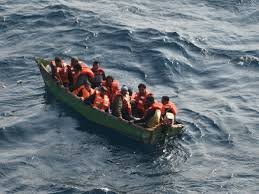
The ongoing conflict in West Asia and attacks on ships near the Persian Gulf and the Strait of Hormuz have highlighted the growing risks faced by commercial sailors. Several incidents involving Indian seafarers have raised concerns about seafarer abandonment, where shipowners stop supporting crew members and leave them stranded at sea.
Q1. What is seafarer abandonment?
- Seafarer abandonment occurs when shipowners fail to fulfil their responsibilities toward crew members.
- The Maritime Labour Convention (MLC), 2006 defines abandonment as situations where shipowners stop providing wages, medical care, food, drinking water, shelter, maintenance of the vessel and repatriation to the seafarer’s home country.
- In many cases, sailors are left stranded on ships without basic support or means to return home.
- Visa restrictions or port regulations often prevent them from leaving the vessel, forcing them to remain onboard.
Q2. Why are seafarers particularly vulnerable to abandonment?
- Many seafarers come from low-income backgrounds and depend heavily on maritime jobs for livelihood.
- Some sailors pay large fees to recruitment agents for training or job placement.
- Leaving an abandoned vessel may mean losing employment opportunities & financial investments.
- Limited legal knowledge and international jurisdiction complexities make it difficult for seafarers to seek legal remedies quickly.
Q3. What are the main causes of seafarer abandonment?
Several economic and operational factors contribute to abandonment cases:
- Financial distress of shipping companies, including heavy debts or bankruptcy.
- Volatile global freight rates, which affect profitability of shipping operations.
- Rising operational costs, such as fuel prices and insurance premiums.
- Geopolitical conflicts and sanctions that disrupt shipping routes and payments.
- Shipowners sometimes choose to abandon vessels rather than bear maintenance or repatriation costs.
Q4. How does the “Flag of Convenience” system contribute to the problem?
- A Flag of Convenience (FOC) allows shipowners to register vessels in countries with lenient regulations, lower taxes, and weaker labour standards.
- This system enables shipowners to avoid strict safety and labour protections.
- FOC registrations often conceal the true ownership of ships, making accountability difficult.
- Key statistics:
- Around 30% of the global merchant fleet sails under FOC flags.
- Nearly 90% of abandoned ships in 2024 were registered under such flags.
- Panama recorded the highest number of abandonment cases in 2025.
Q5. How has the West Asia conflict intensified the risk of abandonment?
- Attacks on ships and tankers in the Persian Gulf region have increased operational risks for shipping companies.
- Shipping disruptions near Strait of Hormuz have raised insurance costs & logistical challenges.
- Some shipowners facing financial stress may abandon vessels & crews rather than absorb losses.
- The ongoing conflict is therefore expected to increase abandonment incidents in the region.
Q6. Why are Indian seafarers disproportionately affected?
- Indians make up about 15% of the global seafarer workforce.
- In 2025, around 1,125 Indian sailors were reported abandoned, representing about 18% of global cases.
Several factors increase vulnerability:
- High demand for maritime jobs among young workers from small towns and rural areas.
- Rogue recruitment agents charging large fees for fraudulent job placements.
- Weak regulation of training institutions and certification processes.
- Oversupply of maritime recruits relative to available jobs.
- Many Indian sailors end up working on poorly regulated vessels operating under FOC flags.
Q7. What protections exist for abandoned seafarers?
International mechanisms
- The International Transport Workers’ Federation (ITF) provides support through inspectors who help negotiate unpaid wages, provide legal assistance & facilitate repatriation of stranded sailors.
Indian government support
- Indian seafarers can seek assistance from the Directorate General of Shipping (DG Shipping).
- The regulator operates a 24-hour helpline and coordinates with Indian embassies for rescue and repatriation.
- Complaints can also be filed through the DG Shipping online grievance system.
Q8. What preventive measures can reduce the risk of abandonment?
Experts recommend several precautionary steps:
- Verify Recruitment and Placement Service Licensees (RPSL) before accepting employment.
- Avoid agents demanding illegal recruitment fees.
- Carefully examine employment contracts and ship ownership details.
- Contact maritime welfare organisations early if problems arise.
- Strengthen regulatory oversight of recruitment agencies and training institutes.
Conclusion
Seafarer abandonment reflects structural challenges in global maritime governance, including weak labour protections and the widespread use of flags of convenience. The growing number of cases involving Indian sailors highlights the need for stronger regulatory oversight, international cooperation, and improved protection mechanisms to ensure the safety and welfare of seafarers working in high-risk maritime environments.