Context
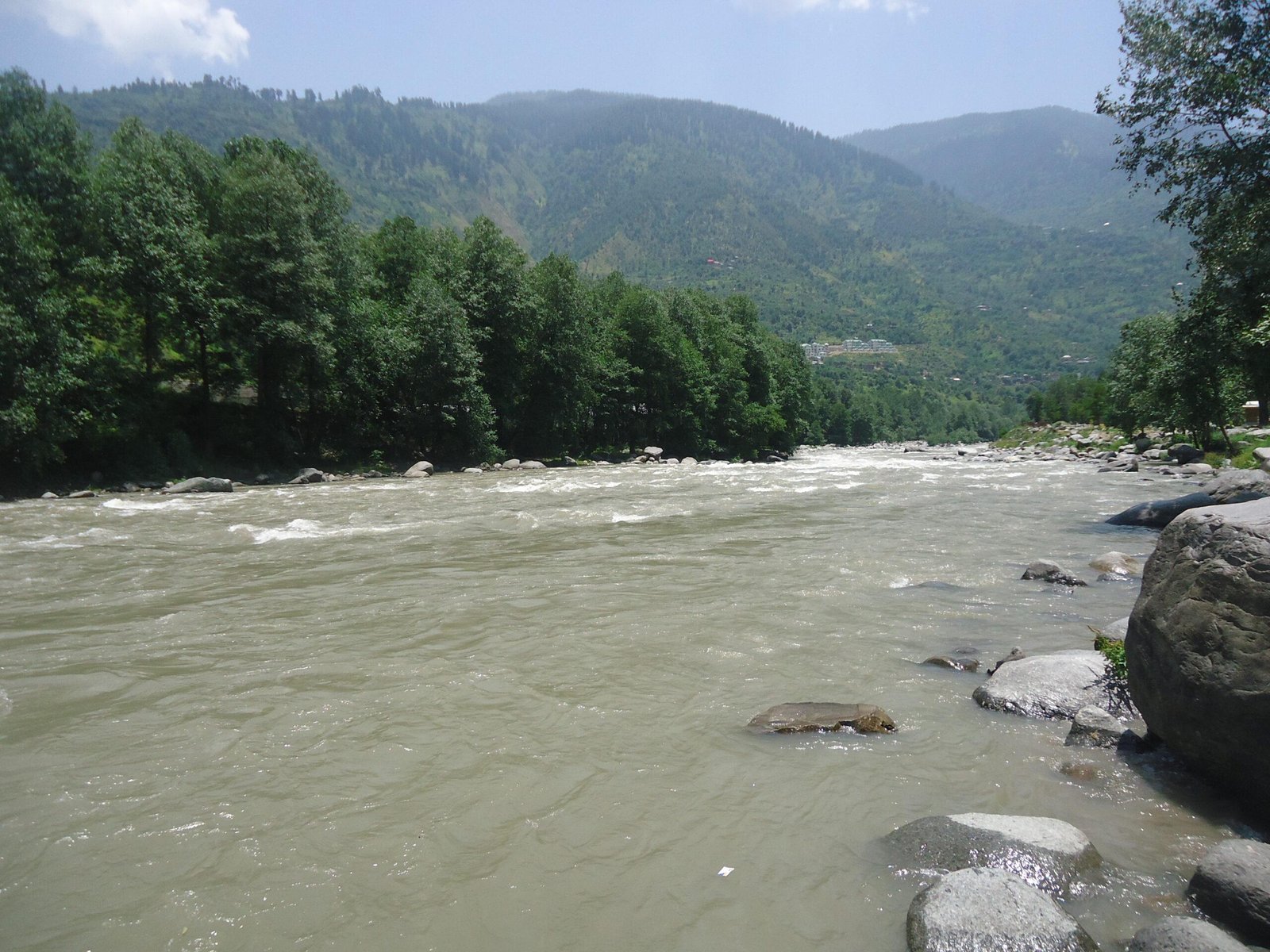
Recently, four people drowned in the Beas River in Kangra district, drawing attention to the river and its geographical importance in northern India.
Q1. What is the Beas River?
- The Beas River flows through the northern Indian states of Himachal Pradesh and Punjab.
- It is one of the five rivers that gave the region of Punjab its name, meaning “land of five rivers.”
- Historically, the river was called Vipas, which means “the unfettered” or “free-flowing” river.
- It also marked the easternmost point reached by Alexander the Great during his invasion of India in 326 BCE.
Q2. What is the course of the Beas River?
- The river originates at Rohtang Pass in the Himalayas at an elevation of about 13,050 feet.
- From its source, it flows southward via the Kullu Valley, receiving several tributaries from surrounding mountains.
- It then turns west and flows past Mandi before entering the Kangra Valley.
- After leaving the valley, the river enters Punjab, where it flows south and then southwest.
- Finally, it merges with the Sutlej River at Harike.
- The total length of the river is about 470 km.
Q3. What factors influence the hydrology of the Beas River?
- The Beas River basin is affected by western disturbances, which bring snowfall in winter to the upper Himalayan catchment.
- The southwest monsoon provides the majority of rainfall, accounting for around 70% of annual precipitation between June and September.
Q4. What are the major tributaries of the Beas River?
- Important Tributaries: Bain, Banganga, Luni and Uhal.
- Other Tributaries: Banner, Chakki, Gaj, Mamuni, Harla, Parvati, Patlikuhlal, Suketi, Sainj & Tirthan.
Q5. What major dam is built on the Beas River?
- The Pong Dam (Beas Dam), is constructed on the river in Kangra district of Himachal Pradesh.
- It is an earth-fill embankment dam and plays an important role in irrigation, flood control, and hydroelectric power generation.
Conclusion
The Beas River is a significant river of northern India, forming part of the Indus river system and playing an important role in the history, hydrology, and irrigation systems of Himachal Pradesh and Punjab.
FAQs
Q1. What is the Beas River?
The Beas River flows through Himachal Pradesh and Punjab, and is one of the five rivers of Punjab. Historically called Vipas (“unfettered”), it marked the easternmost point of Alexander the Great’s invasion (326 BCE).
Q2. What is the course of the Beas River?
It originates at Rohtang Pass (13,050 ft) in the Himalayas, flows south via the Kullu Valley, west past Mandi, enters the Kangra Valley, and then into Punjab, finally merging with the Sutlej River at Harike.
Q3. What major dam is built on the Beas River?
The Pong Dam (Beas Dam) in Kangra district, Himachal Pradesh is an earth‑fill embankment dam used for irrigation, flood control, and hydroelectric power generation.