Important Questions for UPSC Prelims / Mains / Interview
|
Context
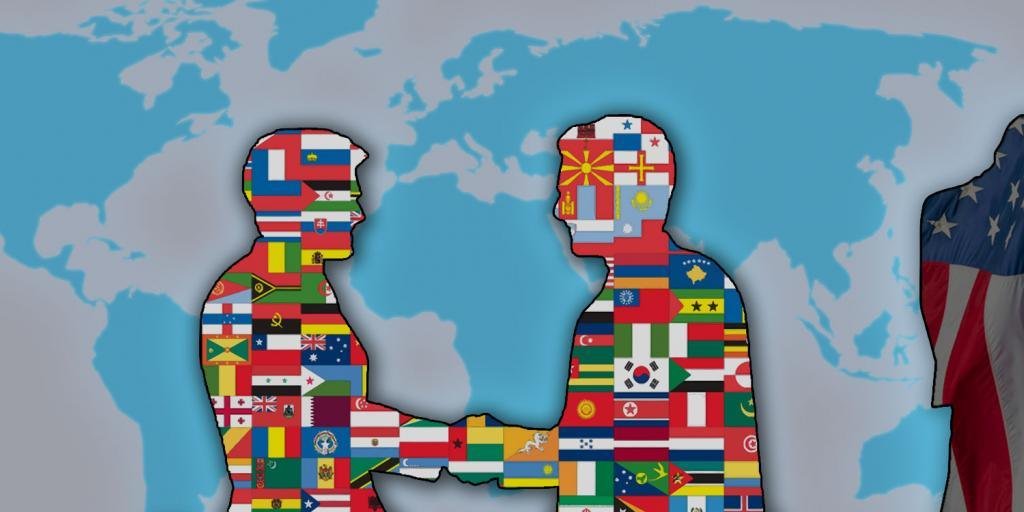
Recent “Agreements on Reciprocal Trade” (ARTs) signed by the United States, including discussions with India, signal a shift away from traditional WTO-based trade governance. This development raises concerns about the weakening of multilateralism and the rise of bilateral, power-centric trade diplomacy.
Q1. How has the global trade architecture evolved from WTO-centred multilateralism to emerging reciprocal trade frameworks?
- The post-1947 GATT system institutionalised non-discrimination through the Most-Favoured-Nation (MFN) principle.
- The WTO (1995) expanded trade governance by:
- Covering services and intellectual property
- Establishing a binding dispute settlement mechanism
- Multilateral negotiations gradually slowed due to consensus deadlocks.
- Regional and bilateral FTAs proliferated under Article XXIV exceptions.
- In recent years, major powers have preferred transactional bilateral arrangements.
- ART-style deals reflect a shift from rule-based to leverage-based trade engagement.
Q2. What distinguishes Agreements on Reciprocal Trade (ARTs) from WTO-compliant Free Trade Agreements (FTAs)?
- FTAs are notified to the WTO and operate within recognised legal exceptions.
- ARTs reportedly function outside formal WTO notification procedures.
- FTAs typically eliminate tariffs on substantially all trade, whereas ARTs may involve selective concessions.
- ARTs may include conditional clauses such as:
- Alignment with national security-related trade actions
- Restrictions on digital trade measures
- WTO mechanisms allow neutral dispute resolution; ARTs may lack such oversight.
- ARTs emphasise bilateral reciprocity rather than universal non-discrimination.
Q3. What risks do non-notified or power-driven trade agreements pose to developing countries like India?
- Reduced transparency limits external scrutiny.
- Asymmetric bargaining power may pressure smaller economies.
- Policy space for industrial protection could narrow.
- Digital sovereignty may be affected if data regulation flexibility is curtailed.
- Fragmented trade rules increase compliance complexity.
- Weakening multilateral forums reduces collective negotiating strength.
Q4. How should India respond strategically to the changing global trade environment?
- Preserve tariff autonomy in sensitive sectors.
- Safeguard digital governance frameworks.
- Diversify trade partnerships to reduce dependency.
- Strengthen domestic competitiveness to enhance negotiating leverage.
- Advocate reform of WTO dispute settlement to restore credibility.
- Balance pragmatic engagement with commitment to rule-based trade order.
Conclusion
The emergence of ART-style agreements signals a reconfiguration of global trade governance. While multilateralism faces challenges, India must combine strategic pragmatism with protection of policy sovereignty to navigate an increasingly fragmented trade landscape.