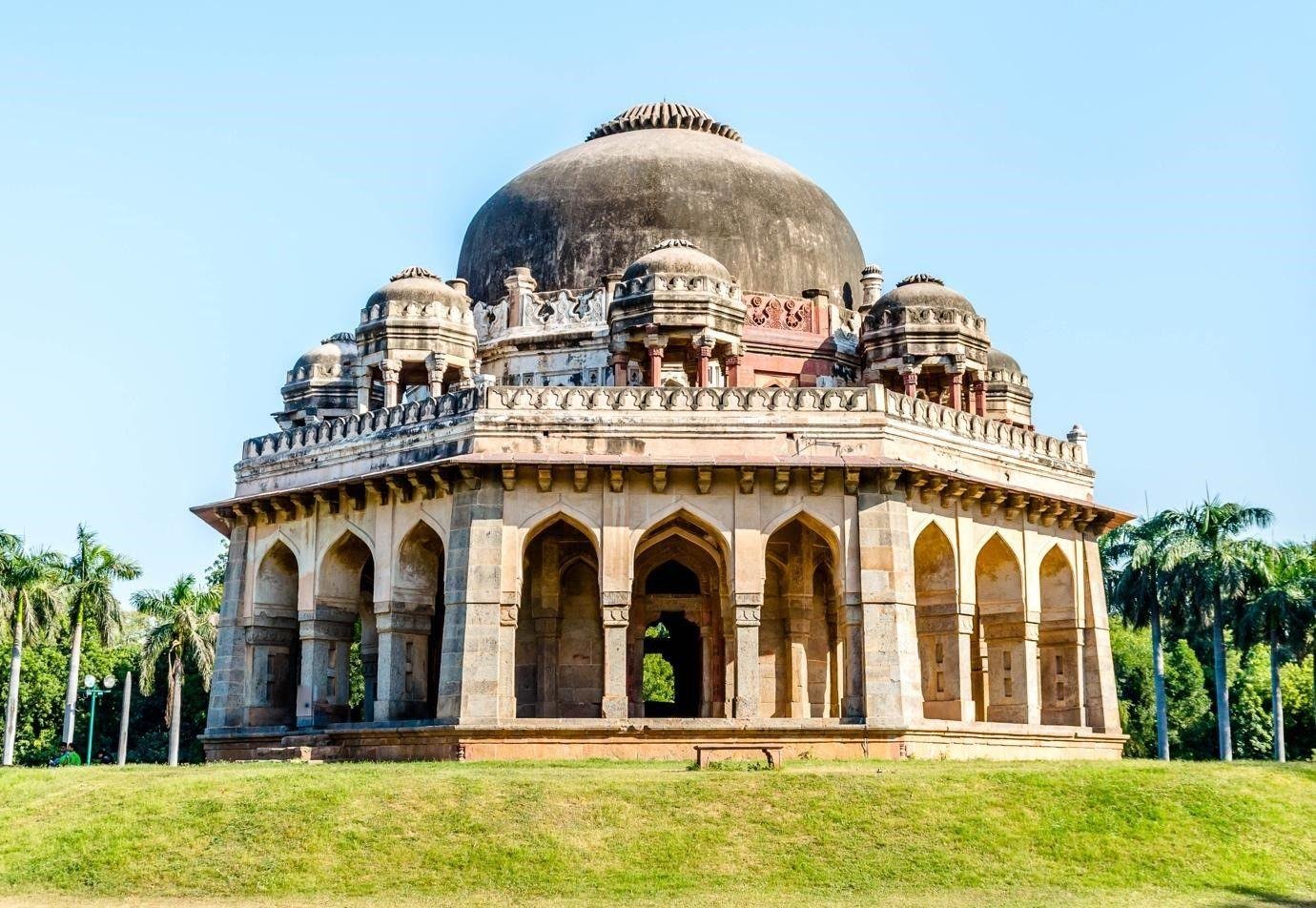
The history of the Delhi Sultanate concluded with the consecutive reigns of the Sayyid Dynasty (1414–1451) and the Lodi Dynasty (1451–1526). This era served as a critical period of transition, moving from the Turkish-dominated rule of the Tughlaqs to the first Afghan sovereignty in India. While the Sayyids were characterized by their claim of religious lineage, the Lodis introduced significant administrative reforms and architectural innovations, such as the double dome. The era finally ended on the battlefield of Panipat, paving the way for the Mughal Empire.
The Sayyid Dynasty (1414–1451 AD)
The Sayyid dynasty emerged following the vacuum left by the invasion of Timur. Deriving its name from the Arabic title “Sayyid,” which denotes descendants of the Prophet Muhammad, the dynasty relied heavily on this religious prestige for legitimacy.
1. Important Sayyid Rulers and Their Contributions
1 Khizr Khan (1414–1421 CE): The founder of the dynasty and its most competent ruler. Having served as the governor of Multan under Firuz Shah Tughlaq, he occupied Delhi after defeating Sultan Daulat Khan. Notably, he never assumed the title of “Sultan,” preferring Rayati-Ala, and ruled as a deputy in the name of Timur.
2 Mubarak Shah (1421–1434 CE): He was the first Sultan of this period to appoint Hindu nobles to the Delhi court. He discontinued the nominal allegiance to Timur and attempted to consolidate power independently.
3 Muhammad Shah (1434–1443 CE): A weak ruler whose reign was plagued by instability. However, he was a great patron of the arts and commissioned the famous Tomb of Muhammad Shah located in Delhi’s Lodi Gardens.
4 Alam Shah (1443–1451 CE): The last Sayyid ruler, he was largely incompetent. Under pressure from his Wazir and the rising power of Bahlol Lodi, he abdicated the throne and retired to Badaun.
2. Cultural and Literary Developments
1 Art and Architecture: The period saw the growth of Indo-Islamic architecture, specifically in tomb construction. The octagonal Tomb of Mubarak Shah, made of red sandstone, is a prime example of the fusion of indigenous and Islamic elements.
2 Decorative Arts: Advancements were made in stone carving, intricate calligraphy, and ornamental designs.
3 Literature: Persian remained the court language. A significant historical source from this time is the Tarikh-i-Mubarak Shahi by Yahya Sirhindi.
4 Sufism: This era witnessed a flourishing of Sufi poetry, with mystical verses promoting devotional and spiritual values.
The Lodi Dynasty (1451–1526 AD)
The Lodis were Pashtun warlords, making them the first Afghan dynasty to rule the Delhi Sultanate. They originated from the Sirhind region.
1. Major Lodi Monarchs
1 Bahlol Lodi (1451–1488 CE): He overthrew the Sayyid dynasty with the support of Afghan nobles. To maintain their loyalty, he treated them as peers rather than subjects. He successfully annexed the Sharqi dynasty of Jaunpur and introduced the Bahlol copper coins.
2 Sikandar Lodi (1489–1517 CE): The most powerful Lodi Sultan. He was a capable administrator who built roads and irrigation systems. He founded the city of Agra in 1504 and introduced the Gazz-i-Sikandari, a new land measurement yardstick. Unlike Bahlol, he asserted the Sultan’s superiority over the nobles. He was also a poet, writing under the pen name ‘Gulrakhi.’
3 Ibrahim Lodi (1517–1526 CE): His reign was marked by internal revolts and friction with Afghan nobles. His arrogant behavior led Daulat Khan Lodi (Governor of Punjab) to invite Babur to invade India.
2. Architectural Marvels of the Lodi Era
1 Lodi Style (Pathan Style): Emphasized simplicity and sturdiness using stone and brick.
2 Double Domes: A revolutionary introduction in Islamic architecture. Two layers of domes enabled a lower interior ceiling for better acoustics while maintaining a majestic exterior profile. The Tomb of Sikandar Lodi is a classic example.
3 Lodi Gardens: Commissioned by Sikandar Lodi, this 90-acre park in Delhi houses the Sheesh Gumbad (Glass Dome) and the Bara Gumbad.
4 Hydraulic Engineering: Structures like Rajon ki Baoli (a step-well built in 1516) showcase their mastery over water management.
Administrative and Economic Framework
Both dynasties maintained a centralized authority but struggled with the “conspiracy of nobles.”
1 Provincial Governance: The empire was divided into provinces ruled by Wazirs or governors responsible for local order and revenue collection.
2 Military: They maintained standing armies and attempted reforms in recruitment to fend off external threats.
3 Agricultural Focus: Land revenue remained the primary income source. Sikandar Lodi’s auditing system significantly improved revenue administration.
4 Trade: Delhi served as a hub for trade routes connecting various Indian regions, facilitating an exchange of both goods and cultural ideas.
Socio-Religious Landscape
The Sayyid and Lodi periods were marked by a high degree of religious harmony compared to earlier sultanate phases.
1 Tolerance: Greater coexistence between Hindu and Muslim communities contributed to a unique cultural fabric.
2 Movements: This period saw the rise and peak of the Sufi and Bhakti movements, which emphasized personal devotion and social equality.
The Decline and Fall of the Sultanate
1 Internal Strife: The Sayyid dynasty collapsed due to the incompetence of Alam Shah and the shifting loyalties of the nobility.
2 Nobility vs. Sultan: Under Ibrahim Lodi, the Afghan nobles felt insulted by the Sultan’s centralized control, leading to widespread rebellions in Bihar and Punjab.
3 The First Battle of Panipat (1526): The invitation sent by Daulat Khan Lodi and Alam Khan to Babur resulted in the decisive defeat of Ibrahim Lodi. This battle marked the end of the Lodi dynasty and the formal conclusion of the Delhi Sultanate.
FAQs: Sayyid and Lodi Dynasties
WHO WAS THE FOUNDER OF THE SAYYID DYNASTY?
Khizr Khan founded the dynasty in 1414 after defeating Sultan Daulat Khan.
WHY DID KHIZR KHAN NOT TAKE THE TITLE OF SULTAN?
He ruled as a deputy of Timur and his successor Shah Rukh, hence he preferred the title Rayati-Ala (Subalted Banner).
WHICH SULTAN FOUNDED THE CITY OF AGRA?
Sikandar Lodi founded the city of Agra in 1504 CE and later made it his capital.
WHAT IS THE SIGNIFICANCE OF THE DOUBLE DOME IN LODI ARCHITECTURE?
The double dome allowed for a ceiling at a proportionate height inside the building while keeping the exterior dome high and imposing.
WHO WAS THE LAST RULER OF THE DELHI SULTANATE?
Ibrahim Lodi was the last ruler, who was killed in the First Battle of Panipat in 1526.
WHAT WAS THE GAZZ-I-SIKANDARI?
It was a standardized land measurement unit (yardstick) introduced by Sikandar Lodi to streamline land revenue collection.
UNDER WHAT PEN NAME DID SIKANDAR LODI WRITE POETRY?
He authored Persian songs and poetry under the pen name ‘Gulrakhi.’
WHO WAS THE AUTHOR OF TARIKH-I-MUBARAK SHAHI?
Yahya Sirhindi wrote this primary historical account of the Sayyid period.
WHICH DYNASTY INTRODUCED AFGHAN RULE IN INDIA?
The Lodi Dynasty was the first Afghan (Pashtun) dynasty to rule the Delhi Sultanate.
WHERE ARE THE TOMBS OF THE SAYYID AND LODI RULERS LOCATED?
Most are located in the Lodi Gardens in New Delhi, which serves as a major archaeological and public park.