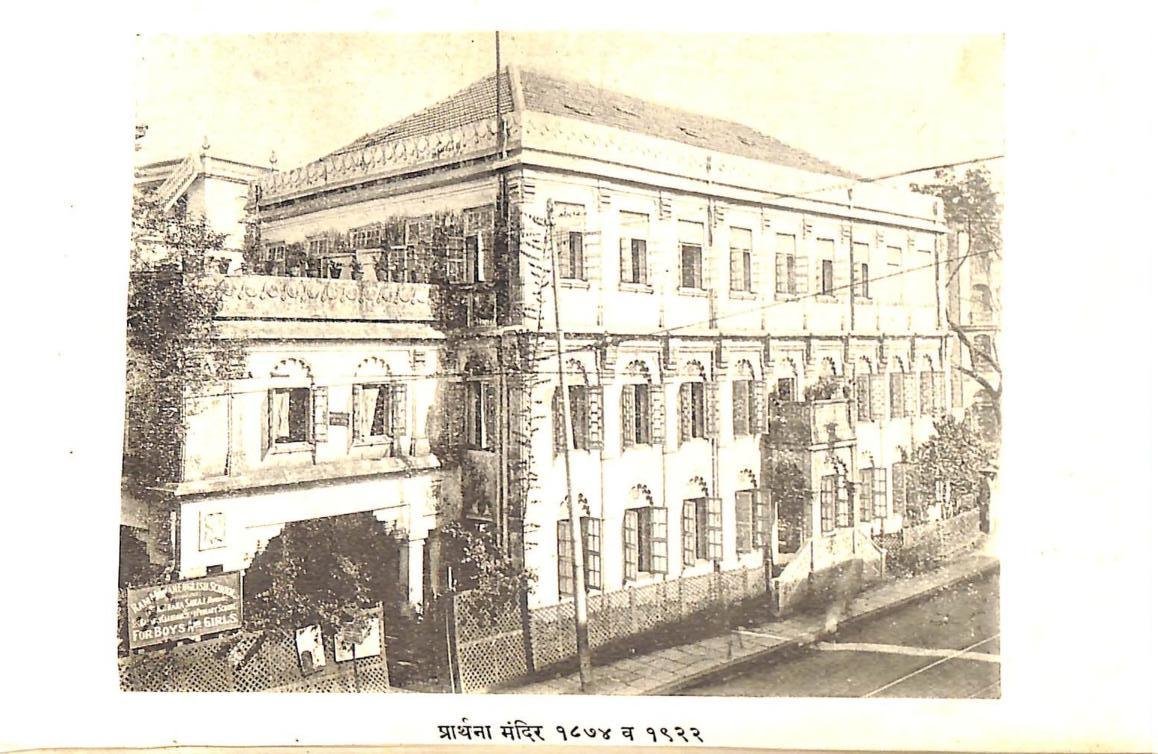
The Prarthana Samaj, which translates to “Prayer Society,” stands as a monumental socio-religious reform movement in Indian history. Established in 1867 in Bombay (now Mumbai), it emerged during a transformative era of social upheaval, drawing inspiration from the Bengal-based Brahmo Samaj and the later Arya Samaj. The society sought to harmonize traditional Hindu roots with a rational, theistic approach to spirituality, ultimately challenging the orthodoxies of 19th-century India.
Historical Background and Evolution
The Prarthana Samaj was not an isolated phenomenon but an intellectual extension of previous liberal secret societies.
1 Founding and Leadership: The movement was founded by Dr. Atmaram Pandurang in 1867. He was joined by prominent intellectuals and social reformers, most notably the eminent scholar R.G. Bhandarkar and the distinguished judge and reformer Mahadev Govind Ranade.
2 The Paramahamsa Sabha Connection: The roots of the Prarthana Samaj in Mumbai can be traced back to the Paramahamsa Sabha. This was a secret society led by Ram Balkrishna Jaykar, which aimed to advance liberal ideas and challenge conservative social norms before the formal establishment of the Samaj.
3 Geographical Expansion: While its heart remained in Maharashtra, the movement’s influence crossed regional boundaries. It was popularized in Southern India by the renowned Telugu writer and reformer Kandukuri Veeresalingam.
4 Philosophical Underpinnings: The society emphasized a simplified, rational approach to Hindu worship. It focused on monotheism, the rejection of idolatry, and the reform of entrenched social practices.
The Four-Point Social Agenda
To address the most pressing injustices of the time, the Prarthana Samaj operated under a focused Four-Point Social Agenda. These pillars were designed to lay the groundwork for a more equitable society.
1 Removal of Untouchability: The Samaj actively fought to abolish the caste system and untouchability. By involving all castes in religious and social activities, they challenged traditional social hierarchies and promoted the fundamental equality of all individuals.
2 Women’s Education and Improvement of Widow Conditions: Recognizing the marginalized state of women, the movement pioneered female education by establishing girls’ schools. Furthermore, they were staunch advocates for widow upliftment and the promotion of widow remarriage.
3 Prohibition of Child Marriage: The society campaigned vigorously to raise the legal age of marriage. Their advocacy was a significant factor in influencing the Child Marriage Restraint Act of 1929, which set minimum age limits for marriage in India.
4 Promotion of Basic Education: The Samaj viewed education as the ultimate tool for mass empowerment. They founded numerous schools across Maharashtra to ensure that quality education was accessible to everyone, regardless of their gender, caste, or economic background.
Core Ideologies and Principles
The movement was guided by a belief in social justice, equality, and the power of human reason.
1 Monotheism and Rational Worship: The Samaj rejected polytheism and idolatry, promoting the worship of a single, formless God. They advocated for a spiritual life based on morality and reason rather than empty rituals or complex ceremonies.
2 Fundamental Social Equality: A core tenet was that all human beings are fundamentally equal. The movement sought to create a society where character and actions took precedence over birth-based social status.
3 Emphasis on Moral Conduct: Followers were encouraged to lead lives of simplicity, honesty, and integrity. Truth and righteousness were considered the primary guides for personal behavior.
4 Education as Reform: Education was seen as essential for societal progress. The Samaj believed that an educated population was a prerequisite for stripping away the superstitions and dogmas that hindered India’s development.
Notable Leaders and Their Contributions
The success of the Prarthana Samaj was driven by the vision of its leaders.
1 Dr. Atmaram Pandurang: As the founder, his visionary leadership recognized the urgent need for a structured reform society in Western India.
2 Mahadev Govind Ranade: Known for his scholarly depth, Ranade was pivotal in advocating for the rights of women and the removal of untouchability. He provided the intellectual weight necessary to challenge orthodox opposition.
3 R.G. Bhandarkar: An eminent Sanskrit scholar and historian, Bhandarkar’s commitment to social reform helped shape the movement’s rationalist approach to Hindu scriptures.
4 Collaborative Reformers: Figures such as Dhondo Keshav Karve and Vishnu Shastri joined Ranade in advancing the Widow Remarriage Movement, eventually establishing the Widows’ Home Association to provide shelter and support.
Historical Significance and Legacy
The Prarthana Samaj left an indelible mark on the Indian Renaissance and the path toward modern India.
1 Challenging Orthodoxy: Alongside the Brahmo Samaj and Arya Samaj, it was instrumental in forcing Hinduism to introspect and reform practices like caste discrimination and the subjugation of women.
2 Institutional Inspiration: The principles upheld by the society inspired the creation of later specialized reform bodies, such as the Depressed Classes Mission Society of India (1906) and the National Social Conference.
3 Fostering Nationalism: By restoring self-respect and dignity among Hindus through rational reform, the Prarthana Samaj contributed to the rising tide of Indian nationalism.
4 Empowerment of the Marginalized: Its legacy of promoting education for women and lower castes fostered a culture of learning that continues to influence social justice movements in contemporary India.
Frequently Asked Questions (FAQs)
WHO FOUNDED THE PRARTHANA SAMAJ AND IN WHICH YEAR?
The Prarthana Samaj was founded by Dr. Atmaram Pandurang in 1867 in Bombay.
WHAT DOES THE NAME “PRARTHANA SAMAJ” MEAN?
The name translates to “Prayer Society,” reflecting the movement’s focus on a simplified and rational approach to worship.
WHICH SECRET SOCIETY WAS THE PRECURSOR TO THE PRARTHANA SAMAJ?
It emerged from the Paramahamsa Sabha, which was a secret society led by Ram Balkrishna Jaykar.
WHAT ARE THE FOUR KEY POINTS OF THE SAMAJ’S SOCIAL AGENDA?
The agenda included the removal of untouchability, women’s education and widow upliftment, prohibition of child marriage, and promotion of basic education for the masses.
WHO POPULARIZED THIS MOVEMENT IN SOUTHERN INDIA?
The movement was popularized in the south by the prominent Telugu reformer and writer Kandukuri Veeresalingam.
DID THE PRARTHANA SAMAJ BELIEVE IN IDOL WORSHIP?
No, the ideology of the Samaj specifically rejected idolatry in favor of monotheism and the worship of a single, formless God.
WHICH FAMOUS ACT WAS INFLUENCED BY THE SAMAJ’S CAMPAIGN AGAINST CHILD MARRIAGE?
The Samaj’s efforts helped influence the Child Marriage Restraint Act of 1929, which set minimum age limits for marriage.
WHICH LEADERS WERE INVOLVED IN THE WIDOW REMARRIAGE MOVEMENT WITHIN THE SAMAJ?
Key figures included Mahadev Govind Ranade, Dhondo Keshav Karve, and Vishnu Shastri.
HOW DID THE PRARTHANA SAMAJ CONTRIBUTE TO INDIAN NATIONALISM?
By restoring Hindu self-respect and promoting social dignity through rational reform, it played a vital role in the larger nationalist movement.
WHAT IS THE DEPRESSED CLASSES MISSION SOCIETY OF INDIA?
It was a later reform movement (1906) that was inspired by the social equality and justice principles of the Prarthana Samaj.