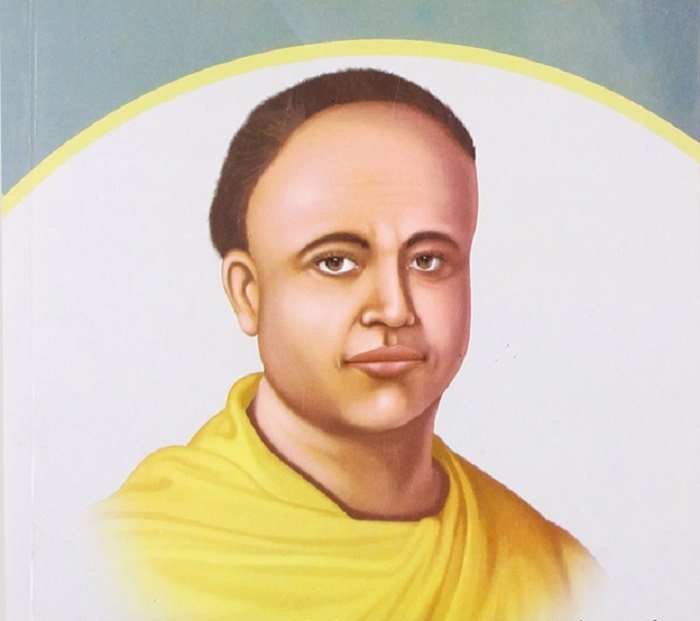
Ishwar Chandra Vidyasagar (1820–1891) was a monumental figure of the Bengal Renaissance, renowned as an educator, social reformer, and linguist. Born into poverty in Birsingha village, West Bengal, his relentless pursuit of knowledge earned him the title “Vidyasagar” (Ocean of Knowledge) from the Sanskrit College in Calcutta. He dedicated his life to dismantling regressive social norms and modernizing the Indian educational landscape.
Key Contributions to Education
Vidyasagar believed education was the fundamental tool for social progress and worked to make it inclusive across gender and caste lines.
1. Promotion of Women’s Education
- He was a pioneer in advocating for female literacy at a time when it was socially discouraged.
- He established numerous schools for girls across Bengal to empower women through learning.
- Vidyasagar served as the Secretary of the Bethune Female School (originally Hindu Female School), a landmark institution for women’s education.
2. Modernization and Institutional Growth
- Sanskrit Education Reforms: At the age of 21, he became the head of the Sanskrit department at Fort William College. He modernized the Sanskrit College curriculum by introducing English and other contemporary subjects.
- Model Schools: He established twenty model schools across Kolkata, Midnapore, Burdwan, and Nadia to provide quality education to diverse student backgrounds.
- Vidyasagar College: In 1872, he founded the Metropolitan Institution, known today as Vidyasagar College.
Social Reforms and Legislative Impact
Vidyasagar challenged the moral fabric of 19th-century India by fighting for the rights of the marginalized.
1. Widow Remarriage and the 1856 Act
- Vidyasagar was the primary advocate for the rights of Hindu widows, who faced severe societal discrimination.
- His tireless campaigning led to the enactment of the Hindu Widows’ Remarriage Act of 1856, which legalized remarriage and marked a victory for social justice.
2. Campaigns Against Child Marriage and Polygamy
- Abolition of Child Marriage: He viewed child marriage as a barrier to progress, and his efforts contributed to a gradual decline in the practice.
- Anti-Polygamy Crusade: He specifically targeted the practice of polygamy among Kulin Brahmins, arguing it was detrimental to society’s morality.
3. Caste Equality
- He championed the rights of lower castes, advocating for the dismantling of the caste system to ensure equal opportunities for all.
Notable Literary Works
Vidyasagar’s writings were instrumental in simplifying the Bengali language and promoting moral values.
- Borno Porichoy (1855): Meaning “Introduction to the Letters,” this seminal work simplified the Bengali alphabet and is still used to teach the language today.
- Betal Panchabinsati (1847): A Bengali translation of classic Sanskrit stories that became a masterpiece of Bengali literature.
- Shakuntala (1854): A translation of Kalidasa’s world-famous play into Bengali.
- Sitar Bonobas (1860): An influential narrative inspired by the Ramayana intended to educate the masses on moral values.
- Major Reform Writings: His books Bidhobabivah (1855) and Bahubivah (1871) directly supported his campaigns for widow remarriage and against polygamy.
Legacy in Modern India
Vidyasagar’s principles of enlightenment and equality laid the foundation for future generations of reformers.
- Influence on Reformers: His focus on education and social justice inspired later icons such as Mahatma Gandhi and Dr. B.R. Ambedkar.
- Continuing Relevance: His advocacy remains a cornerstone in the ongoing struggle for gender equality and the view of education as the primary catalyst for social change.
FAQs on Ishwar Chandra Vidyasagar
WHAT DOES THE TITLE “VIDYASAGAR” MEAN?
It means “Ocean of Knowledge,” a title conferred upon him by the Sanskrit College in Calcutta for his mastery of Sanskrit and other subjects.
WHICH SIGNIFICANT ACT WAS PASSED DUE TO HIS EFFORTS?
The Hindu Widows’ Remarriage Act of 1856, which legalized the remarriage of Hindu widows.
WHAT IS “BORNO PORICHOY”?
It is a primary book written by Vidyasagar in 1855 to simplify the Bengali alphabet and make literacy accessible to the masses.
WHICH EDUCATIONAL INSTITUTION DID HE FOUND IN 1872?
He founded the Metropolitan Institution, which was later renamed Vidyasagar College.
WAS HE INVOLVED WITH THE BETHUNE SCHOOL?
Yes, he served as the Secretary of the Hindu Female School, which later became the Bethune Female School.
HOW DID HE REFORM SANSKRIT EDUCATION?
He modernized the curriculum at the Sanskrit College by introducing English and other contemporary subjects to broaden the students’ knowledge base.
AGAINST WHICH MARRIAGE PRACTICE DID HE CAMPAIGN AMONG BRAHMINS?
He campaigned aggressively against polygamy, particularly among the Kulin Brahmins.
WHAT WAS HIS STANCE ON THE CASTE SYSTEM?
He believed the caste system needed to be dismantled to ensure human equality and social progress for all marginalized sections.
WHICH FAMOUS SANSKRIT PLAY DID HE TRANSLATE INTO BENGALI?
He translated Kalidasa’s “Shakuntala” in 1854.
WHY DID HE ESTABLISH “MODEL SCHOOLS”?
He established twenty model schools to provide quality education to students from all social and economic backgrounds across Bengal.