Important Questions for UPSC Prelims, Mains and Interview
|
Context
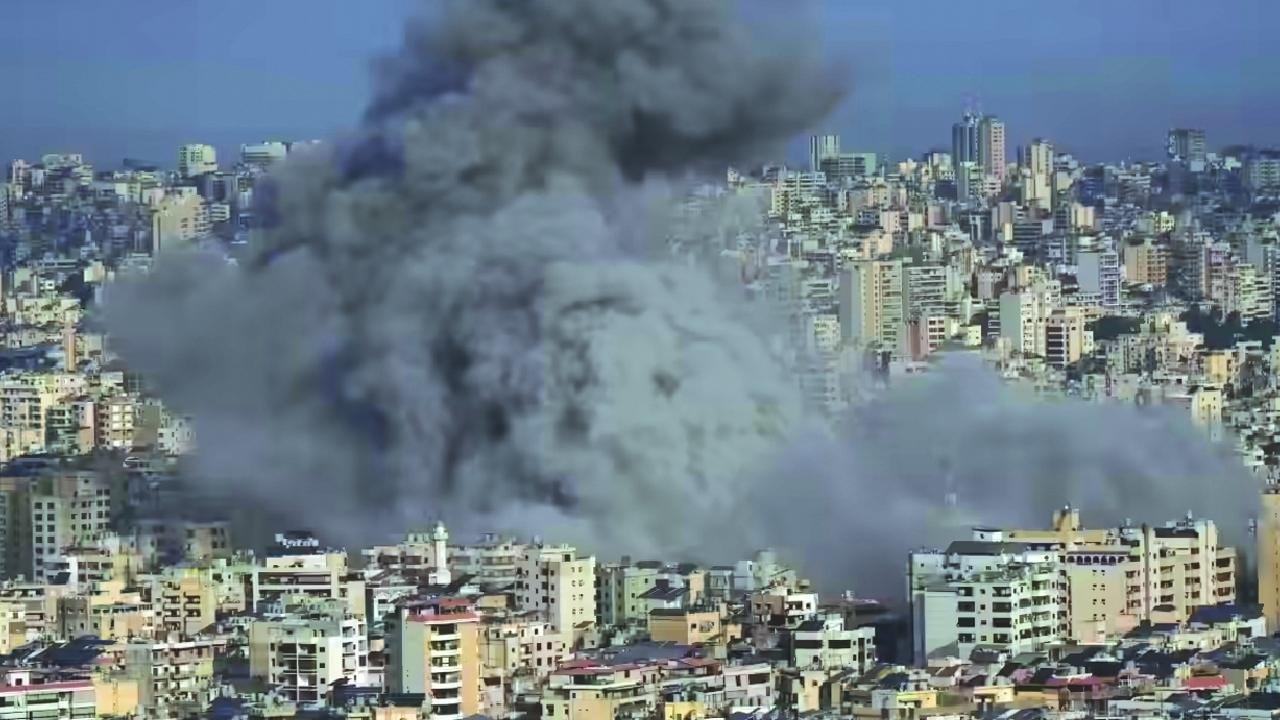
The escalating West Asia conflict has raised concerns about disruptions in supplies of critical industrial inputs to India. The region supplies several essential commodities such as limestone, sulphur, gypsum, direct reduced iron (DRI), and diamonds, making it a crucial trade partner for India’s manufacturing and infrastructure sectors.
Q1. Why is the ongoing conflict in West Asia considered a potential risk for multiple industrial sectors in India beyond the energy sector?
- West Asia is one of India’s largest trading partners, supplying a wide range of raw materials used in industry.
- In 2025, India imported goods worth nearly $100 billion from the region, indicating high economic dependence.
- Many critical industrial inputs used in steel, fertilisers, cement, and construction originate from this region.
- Military escalation may disrupt shipping routes, port operations, and logistics infrastructure.
- Rising geopolitical tensions can increase insurance costs and freight charges for maritime transport.
- Uncertainty in supply chains may raise production costs for several manufacturing sectors.
- These disruptions highlight the interconnected nature of global trade and industrial supply chains.
Q2. How does India’s dependence on imports from West Asia create vulnerabilities for domestic manufacturing and infrastructure sectors?
- Several Indian industries rely heavily on raw materials sourced from West Asian countries.
- More than half of India’s imports of certain inputs originate from this region.
- Key materials imported include:
- Sulphur for fertiliser production
- Gypsum and limestone for cement manufacturing.
- Disruptions in supply may increase production costs and reduce industrial output.
- Infrastructure development projects could be delayed due to shortages of construction materials.
- Export-oriented industries that depend on imported inputs may face supply-chain bottlenecks.
- Heavy reliance on a single geographic region increases economic vulnerability during geopolitical crises.
Q3. What role does the Strait of Hormuz play in global trade and why could disruptions there significantly affect Indian industries?
- The Strait of Hormuz is one of the most important maritime chokepoints for global trade.
- It connects the Persian Gulf with the Arabian Sea, facilitating energy and commodity shipments.
- A significant share of global oil and gas exports passes through this route.
- Any disruption could affect shipping routes used for transporting industrial raw materials.
- Military tensions or blockades could increase transit delays and shipping risks.
- Industries dependent on imported commodities may experience supply shortages and price volatility.
- As India relies heavily on this maritime route, disruptions may impact both energy security and industrial production.
Q4. How could the conflict affect India’s fertiliser and steel industries, which depend on raw materials imported from West Asia?
- The fertiliser sector relies on sulphur imports, which are used to produce sulphuric acid.
- Sulphuric acid is a crucial input in phosphate fertiliser manufacturing.
- Prolonged supply disruptions could affect domestic fertiliser availability during the agricultural season.
- Steel manufacturing requires direct reduced iron (DRI) imported from several West Asian countries.
- Any shortage of DRI could disrupt steel production and infrastructure projects.
- Rising global energy prices may increase operational costs in steel plants.
- Industries may need to explore alternative suppliers in Southeast Asia or Africa to maintain production continuity.
Q5. Why is the construction sector particularly vulnerable to supply disruptions arising from geopolitical instability in West Asia?
- The construction industry depends on several minerals imported from West Asia.
- Limestone is an essential raw material used in cement manufacturing.
- Gypsum is widely used in cement production and construction materials.
- Supply disruptions could lead to higher cement prices in domestic markets.
- Rising input costs may increase the overall cost of infrastructure projects.
- Delays in material availability could slow down urban development and housing projects.
- This sector’s vulnerability highlights the importance of diversifying sources of raw materials.
Q6. How could the West Asia conflict impact India’s diamond processing and export industry?
- India is the world’s largest centre for diamond cutting and polishing.
- A significant share of rough diamonds processed in India is imported from West Asia.
- Disruptions in shipping routes could reduce availability of raw diamonds for processing.
- Supply shortages may affect export performance of the diamond industry.
- The sector employs millions of workers, especially in Gujarat’s diamond hubs.
- Volatility in raw material supply could increase production uncertainty for exporters.
- Long-term disruptions may encourage diversification of diamond sourcing from other regions.
Q7. What policy and supply-chain strategies can India adopt to reduce risks arising from geopolitical disruptions in West Asia?
- Diversifying import sources for key industrial inputs across multiple geographic regions.
- Developing strategic reserves of critical industrial materials to buffer short-term supply shocks.
- Strengthening maritime security cooperation in the Indian Ocean region.
- Encouraging domestic exploration and production of minerals and industrial inputs.
- Promoting supply-chain resilience through trade agreements with alternative supplier countries.
- Investing in logistics infrastructure and port connectivity to facilitate diversified imports.
- Supporting industries in adopting resource-efficient technologies and alternative materials.
Conclusion
The ongoing conflict in West Asia highlights how geopolitical instability can affect industrial supply chains far beyond the energy sector. For India, disruptions in the supply of minerals, fertiliser inputs, and manufacturing materials could impact several sectors of the economy. Strengthening supply diversification, strategic reserves, and maritime security cooperation will be essential to safeguard India’s economic resilience in an increasingly uncertain global environment.