Important questions for UPSC Pre/ Mains/ Interview:
|
Context
A recent interim update of the State of the World’s Migratory Species Report warns that nearly half of the world’s migratory species populations are declining, with many facing increasing risks of extinction due to habitat loss, overexploitation, and environmental change.
Q1. What are migratory species and why are they important for ecosystems?
- Migratory species are animals that regularly move across regions or countries in response to seasonal changes, breeding needs, or food availability.
- Migration occurs across terrestrial, freshwater, and marine ecosystems.
- Examples include migratory birds, marine mammals, fish, and large herbivores.
- These species help maintain ecological balance by supporting pollination, pest control, nutrient transfer, and food chains.
- They also contribute to tourism, cultural traditions, and food security in many regions.
- Because migration routes often cross multiple countries, their conservation requires international cooperation.
Q2. What is the State of the World’s Migratory Species Report?
- It is a global assessment of migratory wildlife populations and conservation status.
- The report is prepared under the Convention on the Conservation of Migratory Species of Wild Animals (CMS).
- CMS is a legally binding international treaty established in 1979 under the United Nations Environment Programme (UNEP).
- The report evaluates:
- Population trends
- Extinction risks
- Threats along migration routes
- Scientific data sources include:
- IUCN Red List assessments
- Population monitoring programmes
- Peer-reviewed scientific studies
- The first global report released in 2024 assessed 1,189 species listed under CMS and analysed trends among more than 3,000 migratory species worldwide.
Q3. What are the major findings of the latest report?
- Declining populations: Around 49% of migratory species protected under CMS show declining population trends. Nearly 582 out of 1,189 assessed species are experiencing population decline.
- Rising extinction risks
- About 24% of listed migratory species are threatened with extinction.
- 26 species have moved into higher risk categories on the IUCN Red List.
- Most affected groups
- Migratory shorebirds, cranes, and pelicans.
- Marine animals such as sharks, rays, and turtles.
- Large herbivores such as wildebeest and several freshwater fish species.
- These trends indicate a growing global conservation crisis affecting migratory wildlife.
Q4. What are the major threats facing migratory species globally?
- Habitat loss: Urbanisation, agriculture, and infrastructure development destroy key habitats. Migratory species rely on multiple habitats along migration routes, making them particularly vulnerable.
- Physical barriers to migration: Roads, railways, fences, and pipelines disrupt migration corridors. Such barriers particularly affect large mammals such as antelope and wildebeest.
- Overexploitation: Overfishing, hunting, and wildlife trade reduce populations of migratory species. Many marine species such as sharks and rays are heavily affected.
- Climate change: Changes in temperature and weather patterns alter migration timing and breeding habitats.
- Disease outbreaks: Highly Pathogenic Avian Influenza (H5N1) has caused mass mortality events among migratory birds and marine mammals.
Q5. How does disease such as avian influenza threaten migratory wildlife?
- Avian influenza spreads rapidly among highly mobile bird populations.
- Migratory birds can carry the virus across continents along migration routes.
- Several species have been severely affected, including African Penguins, Humboldt Penguins, Peruvian Pelicans and Red-crowned Cranes.
- The virus has also affected marine mammals such as South American Sea Lions and South American Fur Seals.
- Disease outbreaks add further pressure to species already threatened by habitat loss and climate change.
Q6. What role do Key Biodiversity Areas (KBAs) play in protecting migratory species?
- Key Biodiversity Areas (KBAs) are sites identified as critically important for global biodiversity conservation.
- The report identified 9,372 KBAs supporting migratory species habitats worldwide.
- However, around 47% of these areas remain unprotected.
- Protecting these habitats is essential because migratory species depend on multiple stopover sites during migration.
- Loss of even one critical habitat can disrupt entire migration cycles.
Q7. What conservation successes show that recovery is possible?
- The report highlights improvements in several species through coordinated international conservation.
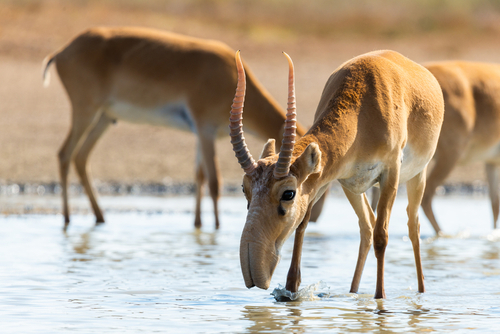
- Species showing recovery include Saiga Antelope, Scimitar-horned Oryx and Mediterranean Monk Seal.
- These cases demonstrate that cross-border conservation strategies, habitat protection, and species recovery programmes can reverse population declines.
Conclusion
Migratory species are vital for maintaining ecological balance and sustaining biodiversity across ecosystems. However, increasing habitat loss, overexploitation, disease outbreaks, and climate change are accelerating their decline. Strengthening international cooperation, protecting critical habitats, and improving global conservation efforts are essential to safeguard migratory wildlife and ensure the resilience of ecosystems worldwide