Context
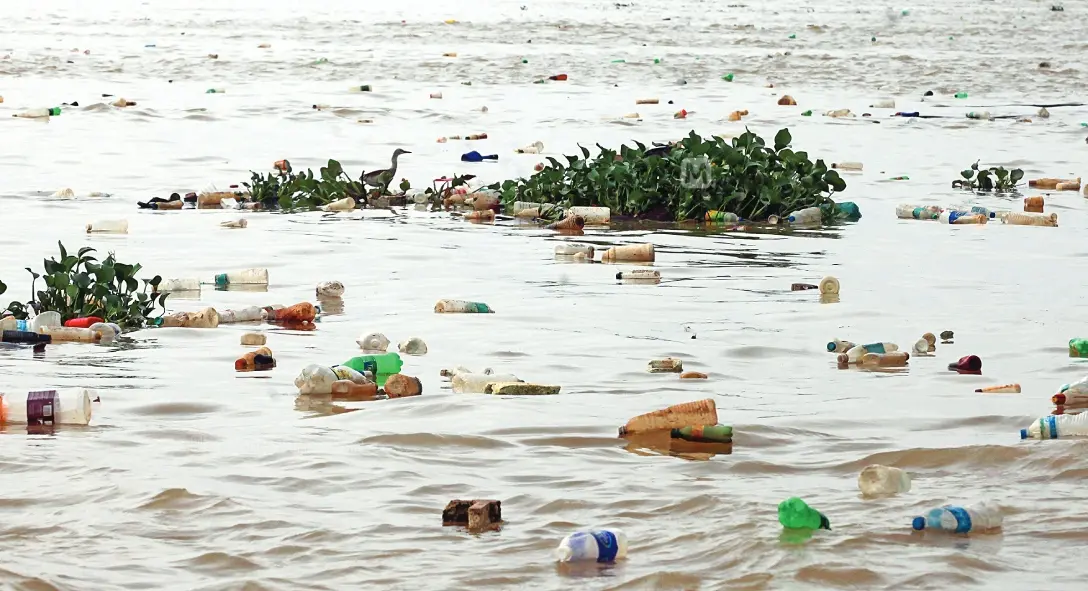
Concerns regarding ecological degradation in the Vembanad Lake have gained attention again after the Government of Kerala initiated measures in compliance with directions issued by the Kerala High Court to address pollution caused by houseboat operations.
About Vembanad Lake
- It is the largest lake in Kerala and the longest lake in India, covering nearly 2,033 sq. km.
- The lake forms the largest tropical wetland ecosystem along India’s south-west coast and was designated as a Ramsar Site in 2002.
- It is also known as Vembanad Kayal, Vembanad Kol, Punnamada Lake, and Kochi Lake.
- The lake is fed by the Meenachil, Pamba, Achankovil, and Manimala rivers.
- A narrow barrier island separates it from the Arabian Sea, creating freshwater and brackish water zones.
- It is an important part of Kerala’s backwater system, surrounded by canals, coconut groves, and below-sea-level paddy fields.
- The Nehru Trophy Boat Race, popularly known as Vallam Kali, is organised annually on the lake in August.
- The Government of India has identified the lake under the National Wetlands Conservation Programme.
- Kumarakom Bird Sanctuary, located on the eastern bank of the lake, supports rich avian diversity, including migratory birds from Siberia and the Himalayas.
- Commonly sighted birds include Siberian cranes, Indian darters, white ibis, kingfishers, teal, owls, parrots, and flycatchers.