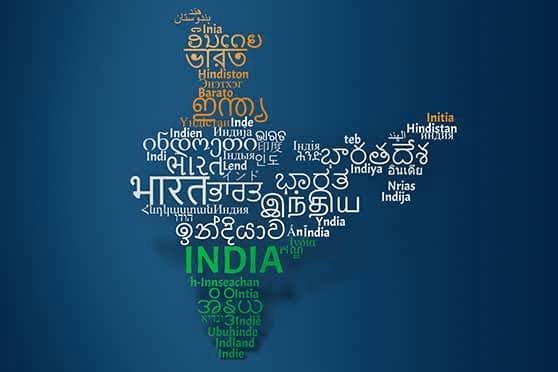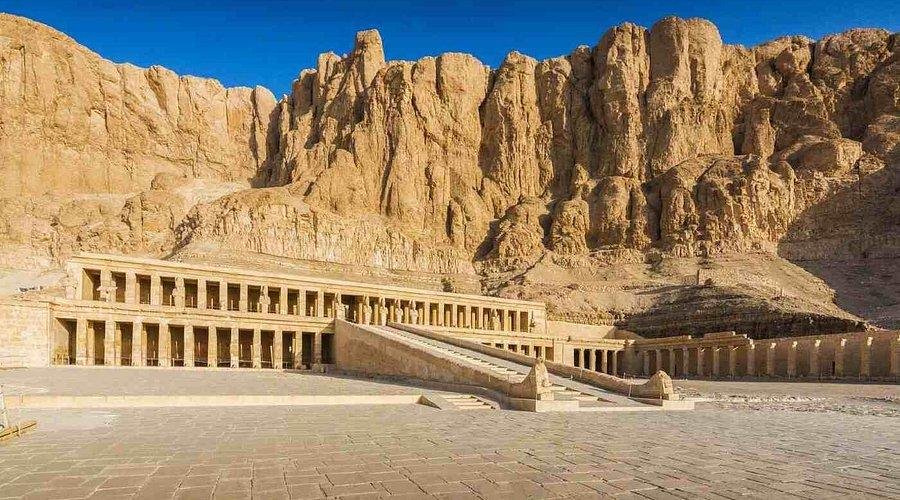
- Recently, around 30 inscriptions in Tamil Brahmi, Prakrit and Sanskrit were found at tombs in the Valley of Kings (Egypt).
- About the Valley of Kings
- It is a burial ground for many pharaohs (kings of ancient Egypt).
- Location: Southern Egypt, just west of the Nile River, and was a part of the ancient city of Thebes.
- Besides pharaohs, it also contains graves of several queens, high-ranking officials and royal children.
- The largest and most complex tomb in the valley was built for the many sons of Ramesses II.
- Tombs & Architecture
- The tombs were carved into rock, with only small doorways visible from outside.
- Inside, most tombs had long descending corridors, multiple chambers and a deep burial chamber.
- At the end lay a sarcophagus, or stone coffin, holding the mummy.
- The burial chambers also contained furniture, clothing, jewellery and daily-use items.
- These were placed there because Egyptians believed the pharaoh would need them in the afterlife.
- Tomb Robbing and Preservation
- Almost all tombs were emptied in ancient times.
- Some were robbed during the New Kingdom, and later, in the 21st dynasty, royal mummies and valuables were deliberately removed to protect them and recycle precious goods.
- The only tomb to remain mostly intact was that of Tutankhamun, who ruled from 1333 to 1324 BC.
- His tomb provided extraordinary insight into ancient Egyptian life and burial practices.
- Global Recognition: In 1979, UNESCO declared the Valley of the Kings part of the World Heritage Site of Ancient Thebes, recognising its outstanding historical and cultural value.