Context
A report by the United Nations Economic and Social Commission for Asia and the Pacific projects that inflation in developing Asia-Pacific economies will rise to 4.6% in 2026, up from 3.5% in 2025.
About United Nations ESCAP
- ESCAP, established in 1947 as part of the United Nations system, is the most inclusive intergovernmental platform in the Asia-Pacific region, facilitating cooperation among countries.
- It aims to address regional development challenges.
- Core mandate: To promote economic and social development through regional cooperation among member and associate member countries.
- The Commission includes 53 member States and 9 associate members, working collectively on sustainable development goals.
- ESCAP is one of the five regional commissions of the United Nations, focusing specifically on the Asia-Pacific region.
- Its functions include work across multiple sectors such as macroeconomic policy, poverty reduction, trade and investment, transport, environment, ICT, disaster risk reduction, and social development.
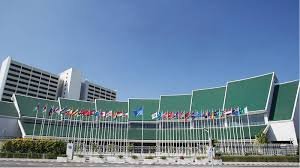
- The organisation is headquartered in Bangkok, Thailand, serving as a hub for regional policy coordination and development initiatives.