Context
World Tapir Day is observed annually on April 27 to raise awareness about tapirs and the need for their conservation.
About Tapir
- Tapirs are large herbivorous mammals that are often described as “living fossils” because their lineage dates back millions of years.
- They are mainly found in forested regions of South America, Central America, and Southeast Asia.
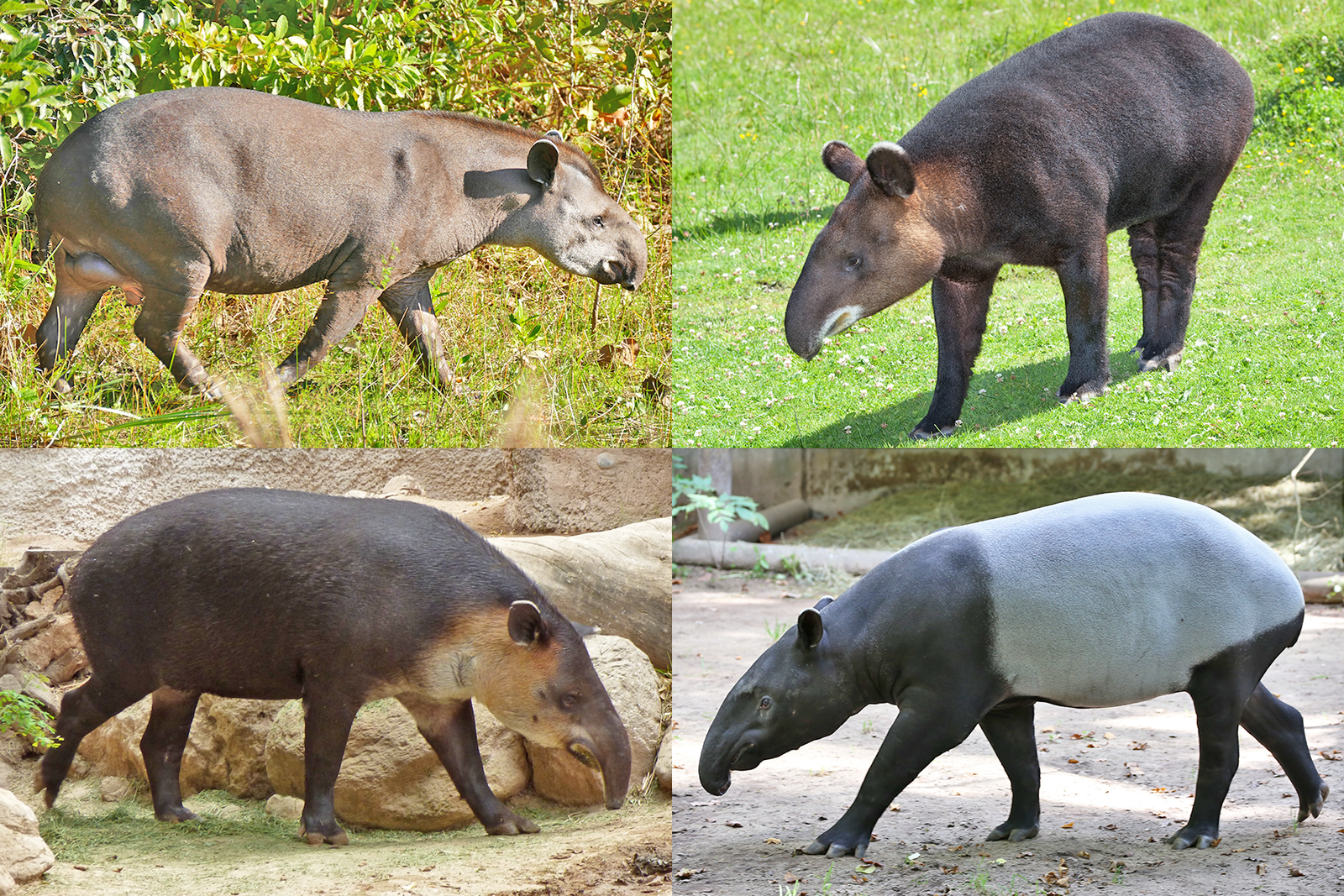
- There are four species of tapirs, each occupying different geographic regions and adapted to specific habitats.
- Tapirs have a distinctive short, flexible snout that helps them grasp leaves and fruits, and they are also strong swimmers that spend considerable time in water.
- Their diet is primarily plant-based, with nearly half consisting of fruits, making them important seed dispersers in ecosystems.
- Only four species of tapirs exist, each inhabiting separate geographic region:
- The Malayan Tapir, found in Southeast Asia, is the largest species and is recognised by its black-and-white coloration; it is classified as Endangered by the IUCN.
- In Central America, Baird’s Tapir is the largest land mammal, living in tropical forests and near water bodies, and is also listed as Endangered.
- The Lowland Tapir is the most widely distributed species in South America, especially in the Amazon basin, and is classified as Vulnerable.
- The Mountain Tapir, found in the high Andes, is the rarest species and is also listed as