Context
The Union Health Ministry has advised that stem-cell therapy should not be offered as routine or commercial treatment for Autism Spectrum Disorder (ASD).
Its use should remain within approved clinical trials because sufficient evidence regarding its clinical effectiveness and long-term safety has not yet been established.
The issue therefore raises a broader question: When should an experimental biotechnology become standard medical treatment?
What Are Stem Cells?
Stem cells are specialised cells with two important properties:
- Self-renewal: They can generate more stem cells.
- Differentiation: They can develop into specialised cell types.
Major categories include:
- Pluripotent stem cells: Can develop into many different cell types.
- Multipotent adult stem cells: Produce a more limited range of related cells.
For example, hematopoietic stem cells in bone marrow produce different blood cells.
What Is Stem Cell Therapy?
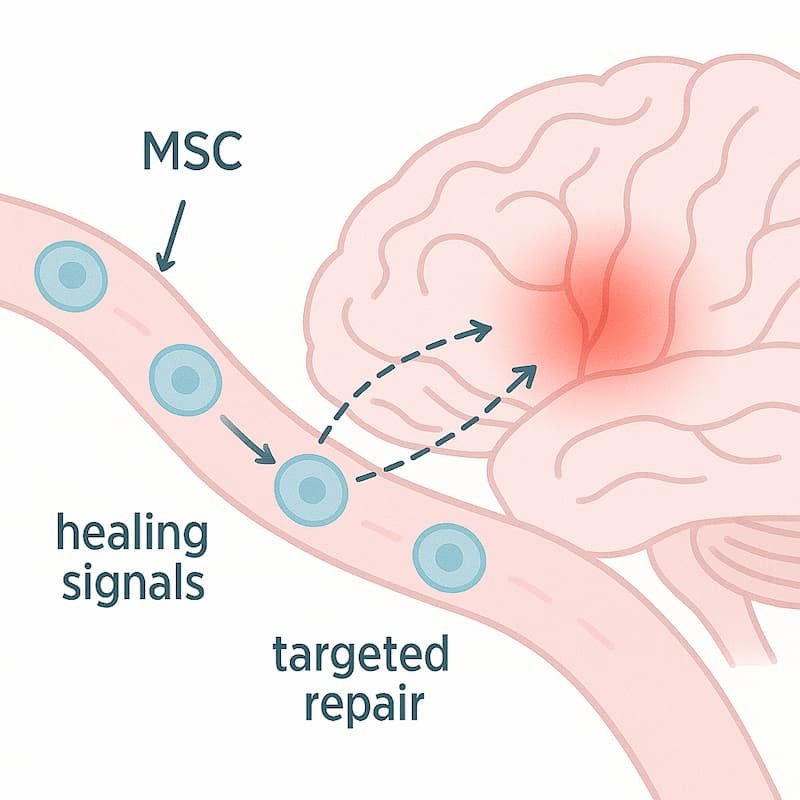
Stem-cell therapy is part of regenerative medicine.
Its objective is to repair or replace damaged cells or tissues through stem cells or their derivatives.
The basic logic is:
Stem cells → Differentiation / regeneration → Restoration of tissue function
Stem-cell treatment is already scientifically established for some conditions, particularly certain blood and immune disorders.
However:
Proven use for one disease ≠ Proven treatment for every disease
What Is Autism Spectrum Disorder?
ASD is a neurodevelopmental condition involving differences in:
- social communication;
- interaction;
- behaviour;
- sensory processing;
- adaptive functioning.
It is called a spectrum because individuals vary greatly in their abilities, symptoms and support requirements.
This biological and clinical diversity makes claims of a single universal treatment particularly difficult to establish.
Why Is Stem Cell Therapy Not Standard Treatment for ASD?
Insufficient Efficacy Evidence
Available studies have not consistently demonstrated meaningful improvement in the core features of autism.
Research Limitations
Many studies differ in:
- cell type;
- dosage;
- treatment protocol;
- sample size;
- follow-up period.
This makes comparison and reproducibility difficult.
Uncertain Long-Term Safety
Experimental stem-cell interventions may produce biological effects that require long-term monitoring.
Commercialisation Risk
Unproven treatment may expose families to:
- high financial costs;
- medical risk;
- exaggerated claims;
- false expectations of cure.
Thus, the central problem is not research itself but premature conversion of experimental therapy into commercial treatment.
Regulatory and Ethical Significance
The appropriate pathway for new medical technology is:
Pre-clinical research → Clinical trials → Evidence of safety and efficacy → Regulatory approval → Standard care
This framework reflects important ethical principles:
- Evidence-based medicine: Clinical practice should be supported by reproducible evidence.
- Non-maleficence: Patients should not be exposed to unnecessary or uncertain harm.
- Informed consent: Consent does not by itself validate an unproven therapy.
- Protection from therapeutic misconception: Patients must clearly understand the difference between research and established treatment.
Current Evidence-Based Approach to Autism
Current management focuses on individualised support, including:
- behavioural interventions;
- communication support;
- occupational therapy;
- educational assistance;
- management of associated health conditions.
The objective is to improve:
Functioning + Participation + Independence + Quality of life
FAQs
Q1. What are stem cells?
Cells capable of self-renewal and differentiation.
Q2. Is stem-cell therapy standard treatment for autism in India?
No.
Q3. Can stem cells still be researched for autism?
Yes, through approved clinical trials.
Q4. Why is routine use restricted?
Because sufficient evidence of safety and effectiveness is not yet established.
Q5. What is the key regulatory principle?
Experimental therapy should become standard treatment only after adequate clinical evidence and regulatory approval.