Context
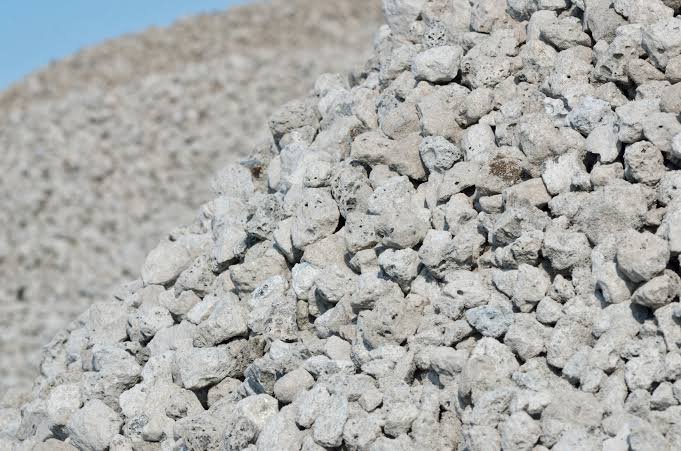
India has created the Guinness World Record for the world’s longest steel slag road in Raigarh, Chhattisgarh, highlighting the use of industrial waste in infrastructure.
What is Steel Slag?
- Steel slag is a solid by-product of steel production, generated during processes such as:
-
- Electric Arc Furnace (EAF) steelmaking.
- Basic Oxygen Furnace (BOF) steelmaking.
- Composition: Mainly contains silicates and oxides of calcium, magnesium, manganese and aluminium.
- Types: Its properties and uses depend on the cooling method and rate.
Major Applications
- Road Construction: Its high strength, impact resistance and skid resistance allow it to substitute conventional coarse aggregates in roads.
- Environmental Remediation: Its mineral content can help immobilise heavy metals in contaminated water and waste sites.
- Mine-Water Treatment: Helps neutralise acidic drainage from abandoned mines by increasing water pH.
- Agriculture: Improves soil pH and supplies calcium, magnesium and silicon, supporting nutrient availability.
Significance
- Waste-to-Resource: Converts steel-industry waste into useful products, supporting circular economy.
- Resource Conservation: Reduces dependence on natural aggregates and other virgin resources.
- Sustainable Infrastructure: Supports durable and resource-efficient construction.
- Environmental Gains: Promotes better waste management and reduces pressure on natural resources.
FAQs
Q1. What is steel slag?
Ans: Steel slag is a solid by-product generated during steelmaking, particularly through Electric Arc Furnace (EAF) and Basic Oxygen Furnace (BOF) processes.
Q2. What are the major constituents of steel slag?
Ans: It primarily contains calcium, magnesium, manganese and aluminium silicates and oxides.