Context
- Ongoing debates on the role of former royal families highlight tensions between democratic equality and cultural preservation.
- Concerns are rising about whether showcasing royal heritage reinforces inequality or sustains valuable traditions.
- The issue reflects a broader ethical dilemma: balancing social reform with preservation of lived cultural heritage.
Ethical Issues Involved
- Equality vs Cultural Continuity
- Democratic values demand removal of hierarchical privilege and inherited status.
- However, abrupt rejection of traditional structures risks loss of cultural identity and continuity.
- Raises conflict between Rawls’ justice (fair equality) and preservation of tradition.
- Reflects tension between modernity and tradition in a plural society.
- Ethical dilemma: reforming inequality without causing cultural erosion.
- Power and Representation in Cultural Narratives
- Culture is not neutral; it reflects power structures and dominant voices.
- Former elites may overshadow artisans, local communities, and marginalized groups.
- Risks creating a skewed national identity narrative.
- Violates principles of inclusive representation and participatory justice.
- Aligns with Amartya Sen’s capability approach – all groups should have the freedom to express identity.
- Aestheticisation of Inequality
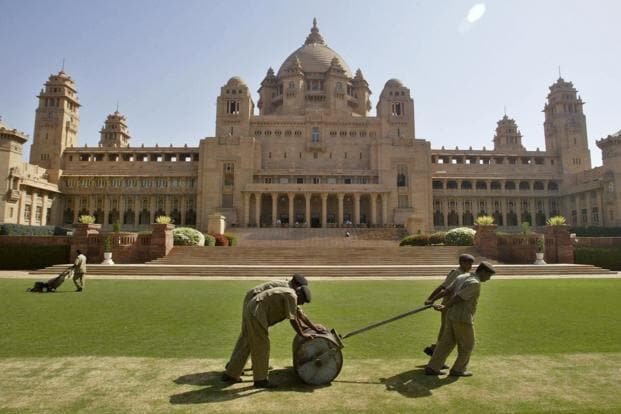
- Royal symbols (palaces, ceremonies, fashion) may romanticize historical inequality.
- Can desensitize society to structural injustices.
- Raises concern under utilitarian ethics – whether such representation maximizes collective welfare.
- Ethical risk of turning oppression into spectacle or cultural capital.
- Undermines sensitivity toward historical injustices and social struggles.
- Responsibility of Cultural Stewardship
- Former royals act as custodians of heritage, crafts, and traditions.
- Ethical duty to preserve culture for future generations (intergenerational justice).
- Reflects trusteeship principle of Mahatma Gandhi – wealth and privilege must serve society.
- Raises question: Is stewardship inclusive or exclusive?
- Balancing ownership vs collective cultural rights.
- Preservation of Lived Heritage vs Superficial Conservation
- Distinction between tangible (monuments) and intangible (rituals, crafts) heritage.
- “Lived heritage” depends on context, community, and continuity, not just documentation.
- Disrupting traditional frameworks may turn culture into mere performance.
- Aligns with virtue ethics – preserving practices that sustain meaning and identity.
- Ethical challenge: maintaining authenticity while enabling reform.
Course of Action
- Balance Reform with Cultural Preservation
- Promote gradual and inclusive reform, not abrupt dismantling of traditions.
- Protect cultural systems while eliminating exploitative elements.
- Follow Gandhian trusteeship – privilege aligned with public welfare.
- Encourage policies integrating heritage conservation with social justice.
- Ensure continuity without legitimizing inequality.
- Democratize Cultural Representation
- Empower artisans, local communities, and marginalized voices in cultural discourse.
- Promote community-led heritage initiatives.
- Ensure equitable recognition and economic benefits to traditional knowledge holders.
- Reflect participatory governance principles.
- Use platforms like GI tagging and cultural missions for inclusivity.
- Ethical Stewardship by Influential Actors
- Encourage custodians of heritage to act as facilitators, not gatekeepers.
- Promote transparency and inclusiveness in preservation efforts.
- Examples: Civil servants like Armstrong Pame (Manipur) mobilizing communities for development show ethical leadership beyond authority.
- Link cultural preservation with livelihood generation for artisans.
- Embed accountability in heritage management.
- Integrate Heritage with Modern Development
- Use technology and innovation to preserve and promote living traditions.
- Encourage sustainable tourism models benefiting local communities.
- Align with UNESCO principles of intangible cultural heritage protection.
- Combine economic growth with cultural sustainability.
- Prevent commercialization from distorting authenticity.
- Promote Ethical Awareness and Dialogue
- Encourage public discourse on history, privilege, and identity.
- Integrate ethics and cultural sensitivity into education systems.
- Promote critical thinking – neither blind glorification nor outright rejection.
- Foster respect for diversity and pluralism (constitutional morality).
- Ensure culture evolves through dialogue, not domination.
Conclusion
A just society must balance equality with cultural continuity. Ethical progress lies not in rejecting the past, but in reforming it with sensitivity, ensuring that heritage becomes inclusive, dynamic, and aligned with the values of justice, dignity, and collective identity.