Context
The Kerala State Biodiversity Board (KSBB), in collaboration with local Biodiversity Management Committees, has recently launched a pilot programme aimed at restoring sacred groves as part of its broader biodiversity conservation efforts.
About sacred groves
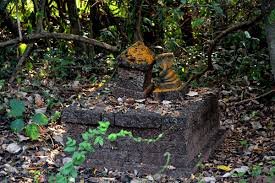
- Sacred groves are small to large patches of natural vegetation that are traditionally dedicated to local gods, goddesses, or nature spirits.
- These areas are protected by communities due to long-standing cultural beliefs, customs, and religious practices passed down through generations.
- They represent some of the oldest forms of community-based environmental conservation in India.
Ecological Importance
- Sacred groves serve as important pockets of biodiversity, often preserving rare and native plant and animal species.
- Human interference is strictly limited, with activities like cutting trees and hunting generally not allowed.
- In some cases, limited use such as collecting honey or dry wood is permitted in a sustainable manner.
Distribution in India
- India is estimated to have over one lakh sacred groves spread across different regions.
- They are commonly found in ecologically rich areas such as the Western Ghats, the Himalayas, northeastern hills, and central India.
Local Names Across States
- Meghalaya: Law Kyntang / Asong Khosi
- Kerala: Sarpa Kavu / Kavu
- Himachal Pradesh: Dev Van
- Odisha: Thakuramma / Jahera
- Tamil Nadu: Kovilkaadu
- Rajasthan: Orans
- Karnataka: Devarakadu
- Assam: Madaico / Than
- Uttarakhand: Dev Van / Bugyal
- Maharashtra: Devgudi / Devrai
- Jharkhand: Sarana / Jaherthan
- Chhattisgarh: Devgudi / Sarana / Matagudi