- News : Recently a Member of Parliament in Rajya Sabha talked about ‘Right to Recall’ in India’s parliamentary democracy.
- What is the Right to Recall?
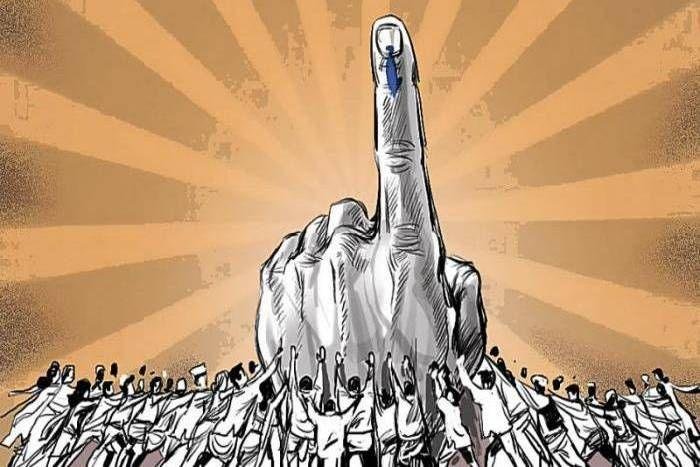
- The Right to Recall is a tool of direct democracy. It allows voters to remove an elected official from their position before their official five-year term ends.
- While India currently operates as a Representative Democracy, where we elect leaders and wait until the next election to change them. The Right to Recall gives citizens the power to “de-elect” a non-performing representative midway through their tenure.
- Current Status in India and Abroad
- In India, this right is not available at the national or state level (for MPs and MLAs). However, it exists at the local level in some states, such as Chhattisgarh, Madhya Pradesh specifically for posts like Sarpanchs or Mayors.
- Globally: Countries like the United Kingdom and several states in the United States already have specific laws that allow citizens to recall their representatives under certain conditions.
- Other Tools of Direct Democracy
- Referendum: This is when a proposed law is sent directly to the voters. They vote to either accept or reject it.
- Initiative: This allows citizens to take the lead. If a group of citizens wants a new law, they can propose a bill and send it to the legislature to be passed.
- Plebiscite: This is a direct vote used for major political decisions, such as disputes over territory, sovereignty, or the political status of a region.
- Arguments for and against the Right to Recall
- The main argument for this right is accountability. Proponents argue that if voters have the power to “hire” a leader through an election, they should also have the power to “fire” them if they fail to perform or misuse their office.
- However, critics warn that it could lead to political instability. They fear that losing candidates might use recall petitions to constantly harass the winner, leading to a state of “perpetual elections” and preventing the government from taking tough, long-term decisions