Context
- After the Covid-19 Pandemic, major weaknesses were exposed in global health governance like poor preparedness, unequal access to vaccines and weak coordination between countries.
- So, the countries decided to negotiate a global framework to manage future pandemics more effectively and the Pandemic Agreement was proposed.
- Pandemic Agreement: It is a proposed legally binding international treaty designed to strengthen global cooperation for pandemic prevention, preparedness and response.
- Aim: To strengthen pandemic prevention & preparedness, ensure equitable access to health tools (like vaccines), promote international cooperation & address global health inequalities.
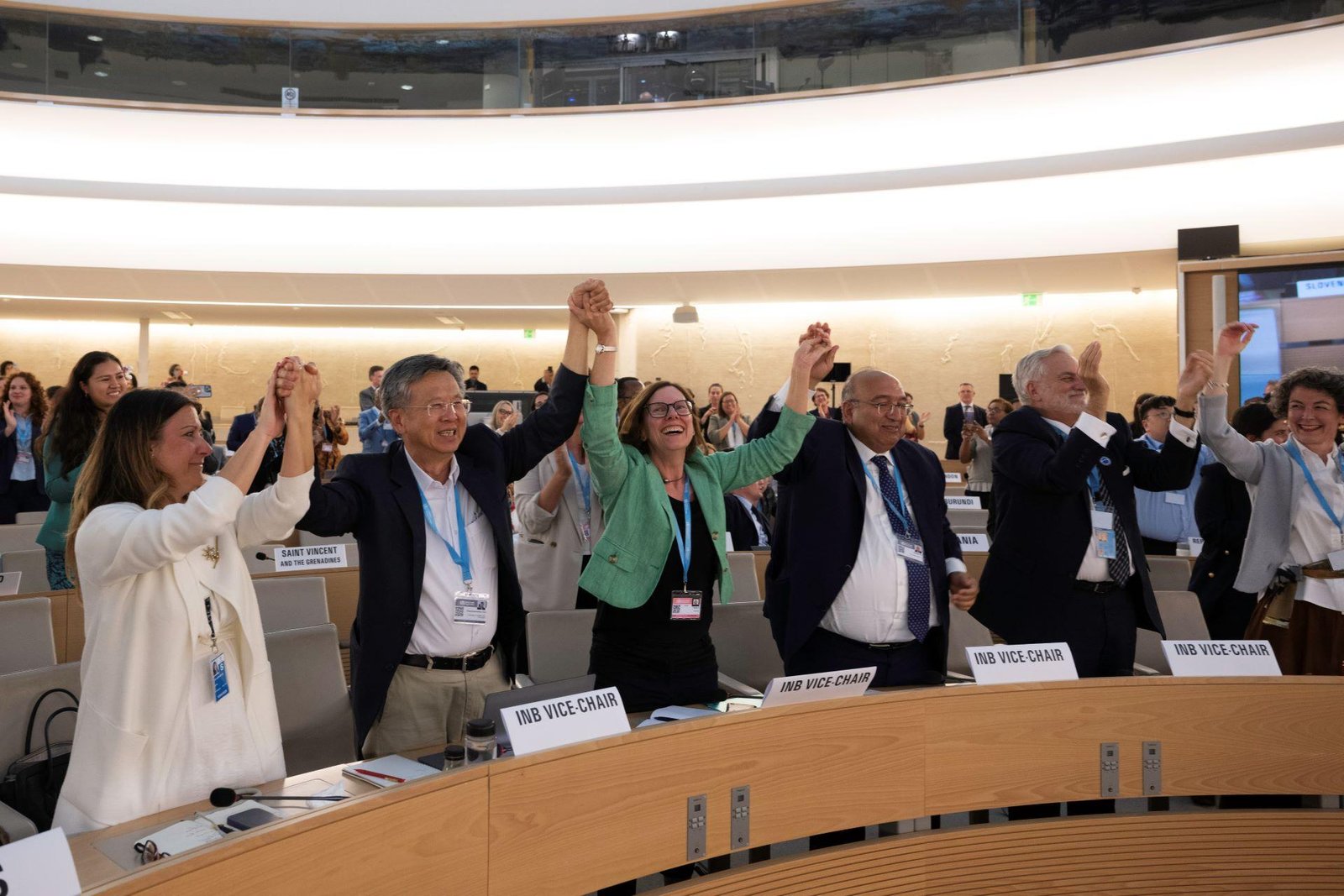
- The proposal for agreement was adopted in 2025 during the 78th World Health Assembly, but its detailed operational rules remain under negotiation & are expected to be finalized by May 2026.
- Recently, an important meeting is scheduled in Geneva regarding the agreement.
Q1. How will the agreement come into force?
The implementation process involves four stages:
- Negotiation – An intergovernmental working group finalizes details such as the PABS system.
- Adoption – The final agreement is adopted by the World Health Assembly.
- Ratification – Countries must approve the agreement through their domestic legal processes.
- Entry into Force – The treaty becomes operational after at least 60 countries ratify it, and 30 days after the 60th ratification.
Q2. What is the Pathogen Access and Benefit Sharing (PABS) system?
- A central component of agreement is the Pathogen Access and Benefit Sharing (PABS) system.
- During disease outbreaks, countries will share pathogen samples and genetic sequencing data to support rapid research, vaccine development and medical innovation.
- In return, benefits derived from these resources must be shared globally, especially with developing countries.
Q3. What is the role of the Group of Equity?
- During the COVID-19 pandemic, vaccines and medical supplies were concentrated in developed countries, leaving many developing nations with limited access.
- The Group of Equity, which includes India & several developing countries, has been formed to demand fair benefit-sharing structures in return for sharing pathogen samples & genetic data.
Q4. What are the 3 key demands of the Group of Equity?
- Vaccine and Product Sharing: If pharmaceutical companies develop vaccines or treatments using shared pathogen data, 10% of production should be donated to WHO. This stockpile would be used to support developing countries during health emergencies.
- Affordable Access: During global health emergencies, vaccines and medicines should be available to developing countries at affordable prices.
- Non-Exclusive Licensing: Pharmaceutical companies should provide non-exclusive licenses to manufacturers in developing countries during emergencies. This would allow local production of vaccines and medicines, improving accessibility.
Q5. What is the position of developed countries?
- Some developed countries, including the European Union, have accepted the idea of 10% vaccine donations.
- However, they argue that such commitments should remain voluntary, and they should not be legally binding on pharmaceutical companies.
- Developing countries, including India, insist that these obligations must be legally enforceable.
Q6. What is the World Health Assembly (WHA)?
- The World Health Assembly is the highest decision-making body of the WHO.
- Key features: It includes delegates from all WHO member states. The assembly meets annually in Geneva.
- Major functions: Formulates WHO policies, approves the WHO budget, reviews global health programmes, appoints the WHO Director-General and adopts international agreements under Article 19 of the WHO Constitution.
Conclusion
The proposed Pandemic Agreement seeks to create a fair and coordinated global framework for managing future pandemics, ensuring equitable access to health resources and stronger international cooperation during health emergencies.