Context
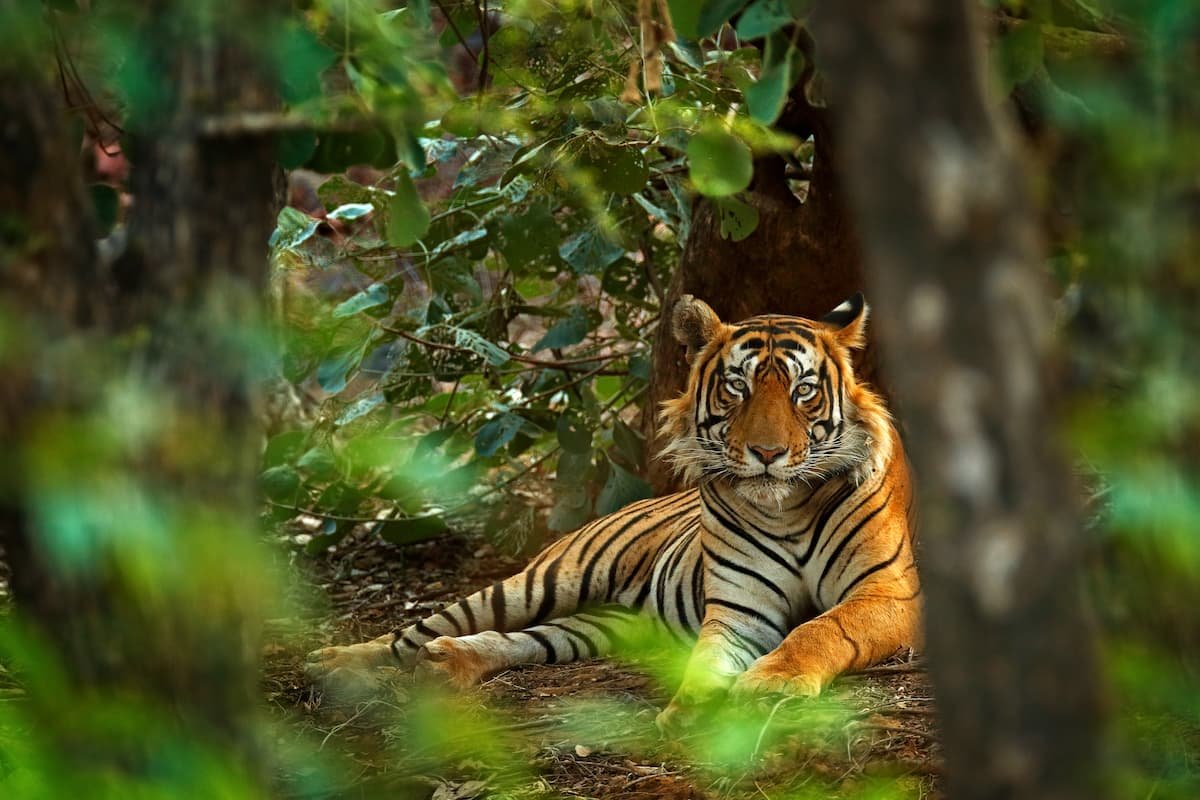
Maharashtra’s tiger conservation programme has introduced a third tiger into Painganga Wildlife Sanctuary in Yavatmal district, as part of efforts to establish a tiger population in the sanctuary.
About Painganga Wildlife Sanctuary
- Location: Located in Yavatmal district, Maharashtra, covering about 325 sq. km.
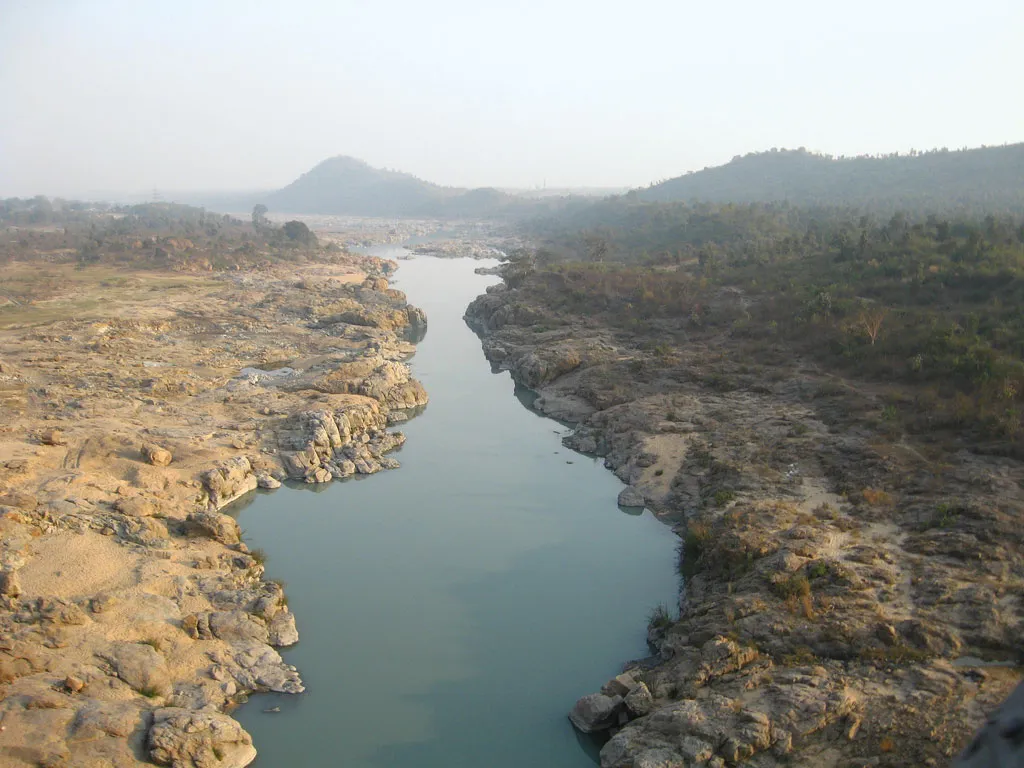
- River: Named after the Painganga (Penganga) River, a tributary of the Wardha River, which borders the sanctuary on three sides.
- Geology: Mainly consists of basaltic rocks.
- Landscape & Flora: Features rolling hills, river valleys and deciduous forests, dominated by teak and bamboo.
- Fauna: Supports leopard, sambar, nilgai, blackbuck, chinkara, four-horned antelope, fox, jackal, hare and porcupine, along with birds such as vultures, bulbuls, doves, kingfishers, cuckoos and kites.
- Archaeological heritage: Rock shelters with petroglyphs provide evidence of prehistoric human activity.
Significance
- Tiger Conservation: Supports tiger population establishment under Maharashtra’s conservation efforts.
- Biodiversity: Provides habitat for diverse carnivores, herbivores and birds.
- Heritage: Riverine ecosystems and petroglyph-bearing rock shelters add ecological and archaeological value.
FAQs
Q1. Where is Painganga Wildlife Sanctuary located?
Ans: It is located in Yavatmal district of Maharashtra.
Q2. Which river gives the sanctuary its name?
Ans: The sanctuary is named after the Painganga (Penganga) River, a tributary of the Wardha River.
Q3. What type of vegetation is found in Painganga Wildlife Sanctuary?
Ans: It mainly consists of deciduous forests, with teak and bamboo as prominent tree species.