- Recently, the Forest Department of Uttarakhand officially confirmed the presence of smooth-coated otters inside Nandhaur Wildlife Sanctuary for the first time.
- About Nandhaur Wildlife Sanctuary
- Location: Uttarakhand
- It is situated in the Terai Arc Landscape, a major ecological corridor running along the Himalayan foothills.
- It is also included within the Shivalik Elephant Reserve, highlighting its role in elephant movement and habitat protection.
- It acts as a bridge between major forest blocks. In the west, it links the forests of Jim Corbett National Park and Rajaji National Park In the east, it connects to Dudhwa National Park, Pilibhit Tiger Reserve, and further into the Terai forests of Nepal
- This continuous forest belt allows animals like elephants and tigers to migrate safely, maintaining genetic diversity.
- River System
- The western boundary is marked by the Gola River
- The eastern edge is formed by the Sharda River
- The sanctuary is cut through the middle by the Nandhaur River. The Nandhaur River flows east to west in the northern part, then bends southward, dividing the landscape into two sections before finally merging into the Tarai plains.
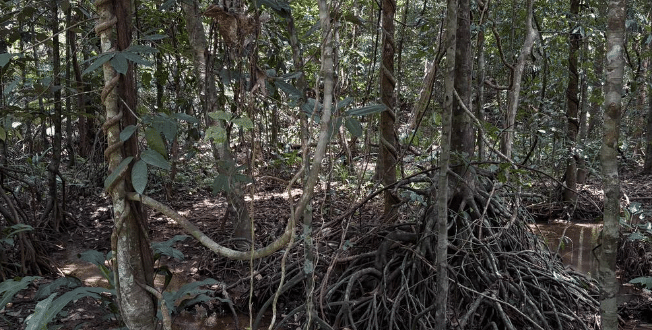
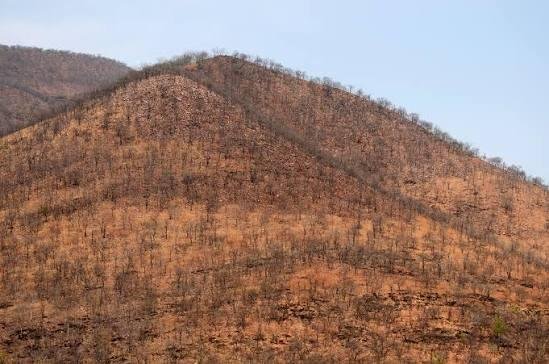
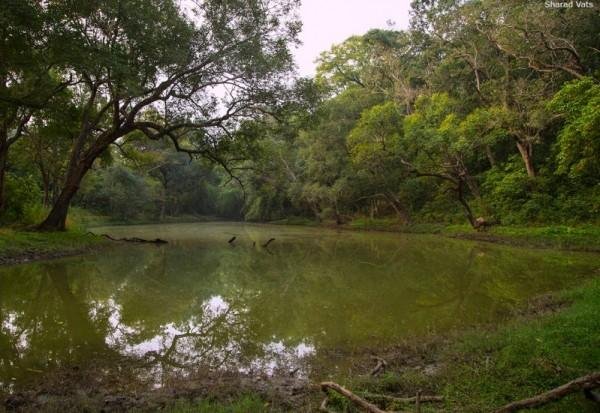
- Vegetation Types: Tropical Moist Deciduous Forests, Mixed Deciduous Forests, Riverine Forests.
- Flora (Plant Diversity): More than 100 species of trees are found here. Important examples include: Shisham, Bamboo, Teak and Chir pine.
- Fauna (Animal Life): Nandhaur hosts several major mammals such as: Asian elephants, Tigers, Leopards, Asiatic black bears and Sloth bears.
FAQs
Q1. Where is Nandhaur Wildlife Sanctuary located?
It is in Uttarakhand, within the Terai Arc Landscape along the Himalayan foothills.
Q2. Why is Nandhaur Wildlife Sanctuary ecologically important?
It acts as a corridor linking Jim Corbett and Rajaji in the west with Dudhwa, Pilibhit, and Nepal’s Terai forests in the east, enabling safe migration of elephants and tigers.
Q3. What rivers define the Nandhaur Wildlife Sanctuary’s boundaries?
The Gola River (west), Sharda River (east), and the Nandhaur River flowing through the middle.
Q4. What types of vegetation are found at Nandhaur Wildlife Sanctuary?
Tropical moist deciduous, mixed deciduous, and riverine forests, with species like Shisham, Bamboo, Teak, and Chir pine.
Q5. What wildlife is found in Nandhaur Wildlife Sanctuary?
Asian elephants, tigers, leopards, sloth bears, Asiatic black bears, and over 100 tree species — recently confirmed smooth-coated otters too.