Important Questions for UPSC Prelims, Mains and Interview
|
Context
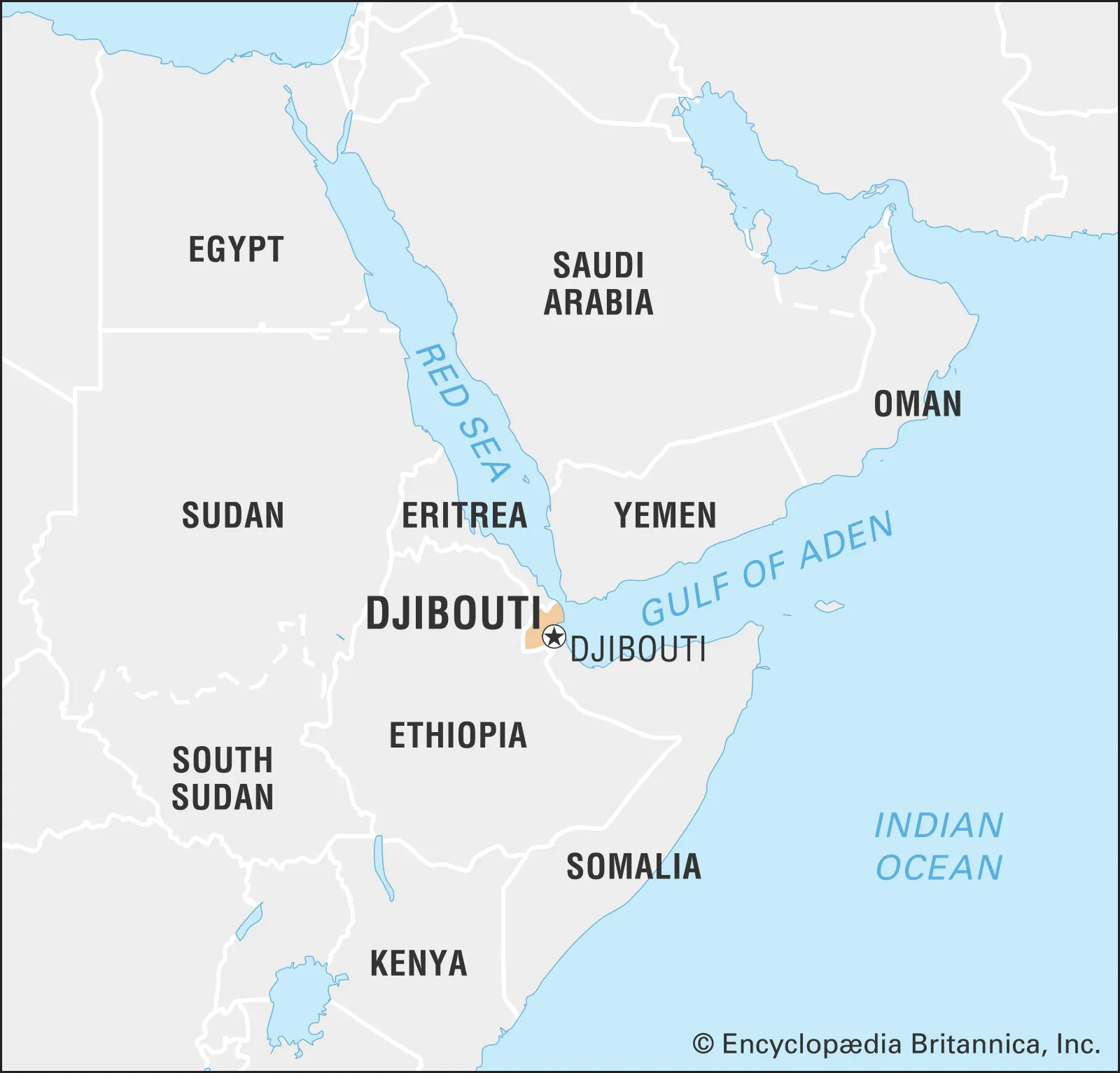
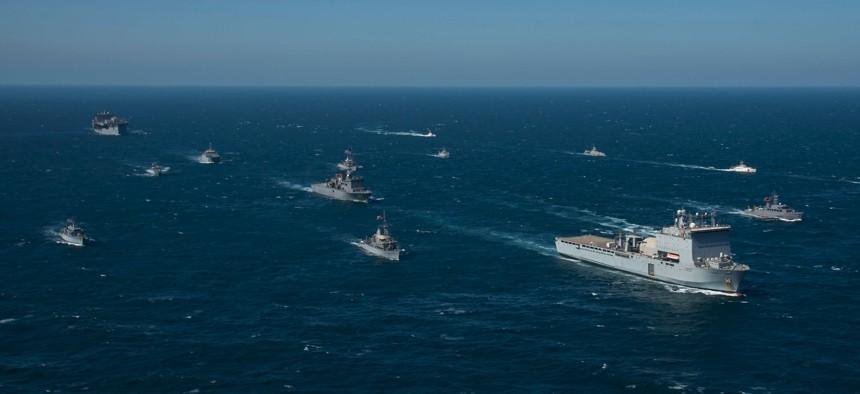
A US submarine reportedly torpedoed the Iranian warship IRIS Dena near Sri Lanka, outside territorial waters, while it was returning after participating in the International Fleet Review and MILAN-2026 naval exercise in India. The incident expanded the US-Israel–Iran conflict into the Indian Ocean region and triggered debate over maritime law and naval conflict rules.
Q1. What recent maritime security incident has reignited debates on international maritime law and naval warfare in the Indian Ocean region?
- A US submarine attack targeted the Iranian warship IRIS Dena in international waters near Sri Lanka.
- The ship had recently participated in multilateral naval exercises hosted by India near Visakhapatnam.
- The attack reportedly caused significant casualties among the ship’s crew.
- The event expanded the West Asian geopolitical conflict into the wider Indian Ocean region.
- The incident raised questions regarding the protection of warships operating outside national territorial waters.
- Experts highlighted that ships on the high seas are primarily governed by international maritime law rather than national jurisdiction.
- The attack also prompted debate in India on maritime security responsibilities in Indian Ocean.
Q2. How does the United Nations Convention on the Law of the Sea (UNCLOS) regulate maritime governance and what are its limitations during armed conflict?
- UNCLOS provides the primary legal framework governing maritime zones and ocean governance.
- It defines maritime zones such as Territorial Sea, Exclusive Economic Zone (EEZ) and High Seas.
- The convention regulates navigation rights, maritime resource use, and dispute resolution.
- UNCLOS is mainly designed to govern maritime conduct during peacetime conditions.
- It does not provide comprehensive rules for armed conflict at sea.
- Certain major naval powers, including the US, have not formally ratified the convention.
- During wartime situations, UNCLOS operates alongside separate rules governing naval warfare.
Q3. What principles govern the law of naval warfare, particularly regarding the targeting of warships on the high seas?
- The law of naval warfare regulates military conduct during armed conflict at sea.
- Warships belonging to a belligerent state may be treated as legitimate military targets.
- This principle applies even if vessel is not directly engaged in active combat at that moment.
- Naval warfare law requires distinction between military and civilian maritime targets.
- Merchant vessels and neutral ships generally receive greater legal protection.
- Naval forces must comply with international humanitarian principles such as proportionality and necessity.
- These rules attempt to balance military objectives with humanitarian considerations.
Q4. How do the provisions of the United Nations Charter regulate the use of force in international waters?
- Article 2(4) of the UN Charter prohibits the threat or use of force against other states.
- The prohibition applies to actions conducted both on land and in maritime spaces.
- Article 51 permits the use of force in self-defence if a state faces an armed attack.
- States invoking self-defence must demonstrate immediate threat or necessity of defensive action.
- The UN Security Council may authorise military action under Chapter VII.
- Such approval requires a majority vote without veto from permanent members.
- These legal provisions aim to maintain international peace and security.
Q5. Why does the absence of defined war zones in maritime spaces create legal and strategic challenges during naval conflicts?
- Unlike land conflicts, maritime warfare has no clearly demarcated battle zones.
- Warships can encounter hostile forces across vast international waters.
- This creates uncertainty for vessels that are not directly operating in active conflict areas.
- Naval forces must constantly maintain defensive readiness during peacetime voyages.
- Ships participating in multinational exercises may still face unexpected security risks.
- The absence of fixed boundaries complicates legal determination of legitimate military action.
- It also increases the risk of rapid escalation of regional conflicts.
Q6. What legal and geopolitical concerns arise from attacks on foreign warships operating outside territorial waters?
- Attacking a foreign warship on high seas can raise serious questions under international law.
- Such actions may be justified only under self-defence provisions or an ongoing recognised armed conflict. If neither condition applies, the action may be viewed as unlawful use of force.
- The attack may escalate tensions between major military powers and regional actors.
- It could undermine confidence in international maritime security arrangements.
- Countries hosting naval exercises may face diplomatic pressure regarding regional stability.
- The incident also raises concerns about the safety of multinational naval cooperation activities.
Q7. How could the recent incident affect regional maritime security and conflict dynamics in the Indian Ocean?
- The incident may expand US-Israel–Iran conflict into the broader Indo-Pacific maritime domain.
- Increased military tensions could threaten major shipping routes passing via the Indian Ocean.
- Regional states may enhance naval surveillance and maritime domain awareness systems.
- Countries bordering the Indian Ocean may increase defence cooperation and joint exercises.
- India’s role as a major maritime security provider in the region may gain greater importance.
- Strategic chokepoints such as the Strait of Hormuz and key Indian Ocean sea lanes could face increased monitoring.
- The incident highlights the need for stronger international rules governing naval conflict and maritime security.
Conclusion
The attack on the Iranian warship IRIS Dena near Sri Lanka has underscored the complex interaction between international maritime law, naval warfare rules, and geopolitical conflicts. While UNCLOS governs peacetime maritime conduct, armed conflict at sea operates under separate legal principles. As tensions expand into the Indian Ocean region, maintaining maritime stability and strengthening legal frameworks for naval conflict will remain critical for global security.