Context
During his visit to New Zealand, the Prime Minister referred to the Maori concept of ‘waka’ while addressing the Indian community in Auckland, underscoring the deepening India–New Zealand partnership.
About Maori
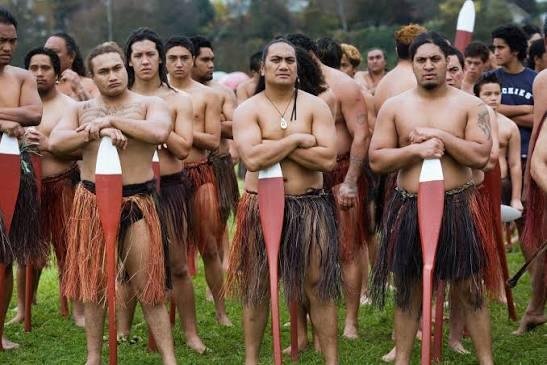
- The Maori are the indigenous Polynesian people of New Zealand, who are believed to have settled the islands in the early 13th century. They constitute around one-sixth of the country’s population, with nearly 86% residing on the North Island.
- They are closely related to other Eastern Polynesian communities and have preserved their distinct identity despite centuries of colonial rule.
- Maori, an Eastern Polynesian language of the Austronesian family, is one of New Zealand’s official languages, with nearly one-third of the community continuing to speak it alongside English.
- The marae is a sacred meeting place that serves as the focal point of social, cultural and ceremonial life.
- The Haka, a ceremonial dance marked by rhythmic movements, chants and expressive facial gestures, is one of the most recognisable symbols of Maori heritage.
- Ta moko, the traditional tattooing practice, uses unique designs to represent an individual’s ancestry, lineage, social status and achievements.
- Traditional art, attire and customs reflect the community’s deep spiritual connection with its ancestors, land and natural environment.
- Since the 1960s, the Maori have witnessed a cultural and political resurgence centred on the revival of their language and the protection of indigenous rights. The Treaty of Waitangi Act, 1975 established the Waitangi Tribunal to investigate and address historical grievances arising from breaches of the Treaty of Waitangi.
- Waka, literally meaning ‘canoe’ or ‘vessel’, symbolises a shared journey, unity, cooperation and collective purpose in Maori tradition.