Context
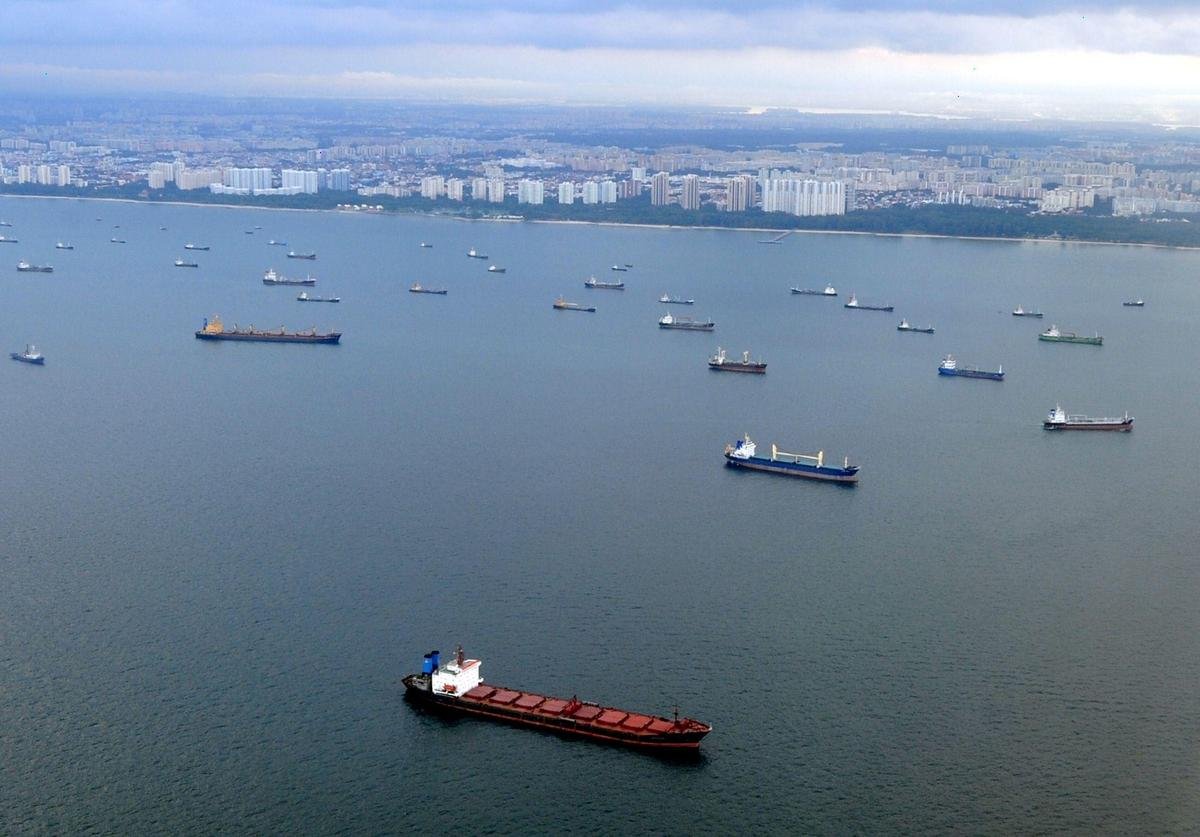
- The Straits of Malacca and Singapore and the Strait of Hormuz are narrow maritime corridors with major strategic importance.
- Both raise a common governance issue: balancing coastal-state sovereignty with international navigation.
- The Malacca-Singapore experience demonstrates how legal arrangements, negotiated compromises and maritime cooperation can help manage competing interests.
- Hormuz is more complex because maritime access is closely linked to security concerns, military presence and geopolitical rivalry.
Strategic Importance of the Chokepoints
- The Strait of Malacca extends about 800 km between the Malay Peninsula and Sumatra, while the approximately 105-km Strait of Singapore connects it with the South China Sea.
- The Strait of Hormuz connects the Persian Gulf with the Gulf of Oman and the wider Indian Ocean.
- Disruption in these waterways can affect energy supplies, shipping costs, insurance and global markets.
- Their geographical importance therefore extends beyond the immediate interests of the coastal States.
Malacca: Reconciling Sovereignty and Navigation
- Indonesia’s 1957 archipelagic principle brought the waters surrounding and connecting its islands under Indonesian sovereignty, reflecting concerns over territorial integrity.
- Malaysia later adopted a 12-nautical-mile territorial sea, while Singapore supported arrangements that preserved international navigation.
- As some portions of the straits are narrower than 24 nautical miles, the territorial seas of the littoral States meet, leaving no intervening high seas.
- This required a balance between territorial jurisdiction and uninterrupted international maritime movement.
UNCLOS and Transit Passage
- The United Nations Convention on the Law of the Sea (UNCLOS) addressed this issue through the concept of transit passage.
- Transit passage permits vessels, including warships, to navigate international straits continuously and expeditiously.
- It differs from innocent passage, which operates under a separate legal framework.
- The arrangement enabled coastal States to retain sovereignty while maintaining predictable conditions for international navigation.
- Indonesia accepted the principle with reservations, while Malaysia raised concerns relating to environmental protection, insurance and vessel safety.
Regional and International Cooperation
- Indonesia, Malaysia and Singapore developed mechanisms for navigation safety and maritime security.
- Japan supported cooperation through the Malacca Strait Council. The United States and Soviet Union also had an interest in maintaining reliable maritime transit.
- The 2007 Cooperative Mechanism enabled user States, industry and other stakeholders to contribute voluntarily to navigation aids, hydrographic surveys and safety projects.
- The littoral States did not impose tolls on vessels exercising transit-passage rights.
Why Hormuz Is Different
- Parts of the Strait of Hormuz fall within the territorial waters of Iran and Oman.
- Iran has not ratified UNCLOS and adopted a 1993 requirement for foreign warships to obtain authorisation for passage.
- The Strait is also closely linked to Iran’s security concerns and tensions with external military powers, particularly the United States.
- Therefore, navigation arrangements alone may not resolve disputes involving sovereignty, military presence and strategic insecurity.
Lessons for Hormuz
- Littoral States should remain central to arrangements governing strategic waterways.
- Coastal sovereignty can coexist with international navigation when supported by clear and predictable legal rules.
- Cooperation on navigation safety, environmental protection and hydrographic activities can create practical areas of common interest.
- Participation by major user States and other stakeholders can strengthen the wider acceptance of maritime arrangements.
- However, the Malacca-Singapore experience should serve as a framework of principles rather than a ready-made model, given Hormuz’s distinct geopolitical and security environment.
Conclusion
The Malacca-Singapore experience shows that competing maritime interests can be managed through legal compromise, regional cooperation and practical safety mechanisms. For Hormuz, these principles may inform future arrangements, but their application would need to reflect the Strait’s distinct security and geopolitical conditions.
FAQs
Q1. Why are maritime chokepoints strategically important?
Their narrow geography concentrates major flows of shipping and energy, making disruption capable of affecting wider economic and security interests.
Q2. What is transit passage under UNCLOS?
It is a legal regime permitting vessels, including warships, to undertake continuous and expeditious navigation through international straits.
Q3. Why do territorial seas create a challenge in narrow straits?
When the territorial seas of neighbouring coastal States meet, there may be no intervening high seas, requiring navigation rights to be balanced with coastal jurisdiction.
Q4. What was the purpose of the 2007 Cooperative Mechanism?
It provided a framework for voluntary contributions by user States, industry and other stakeholders towards navigation aids, hydrographic surveys and maritime safety.
Q5. What role do littoral States play in managing strategic straits?
They remain central because such waterways pass through or adjacent to their territorial jurisdictions, even where international navigation rights apply.
Q6. Why is Hormuz more difficult to manage than the Malacca-Singapore straits?
Hormuz is closely connected with Iran’s security concerns, military presence and geopolitical tensions, making maritime governance inseparable from wider strategic issues.