Context
The Union Agriculture Ministry recently formed an expert task force to assess the impact of the litchi stink bug on litchi cultivation and recommend suitable measures to control the pest and reduce crop damage.
About Litchi
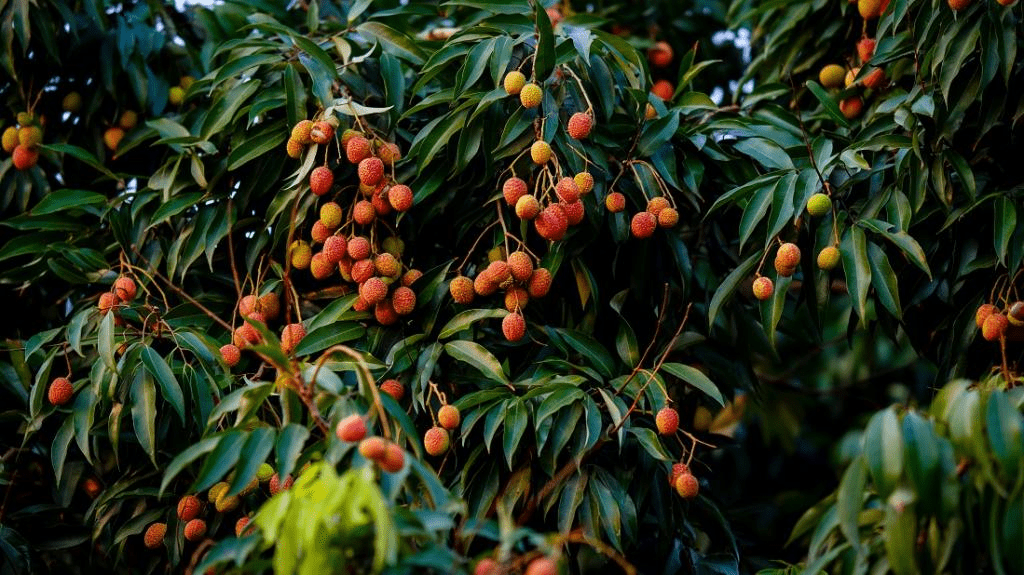
- Litchi is a juicy subtropical fruit belonging to the Sapindaceae family and is widely valued for its flavour and commercial importance.
- India is the second-largest producer of litchi in the world after China, while other major producers include Thailand, Australia, South Africa, Madagascar, and Florida in the United States.
- In India, large-scale cultivation is concentrated in states such as Bihar, West Bengal, Uttar Pradesh, Jharkhand, and Assam.
- Shahi Litchi of Bihar received the Geographical Indication (GI) tag in 2018, recognising its unique quality, aroma, and geographical origin associated mainly with the Muzaffarpur region.
- The crop grows best in a moist subtropical climate and is generally cultivated in low-elevation areas, though it can be grown up to about 800 metres above sea level.
- Litchi cultivation requires deep, well-drained loamy soil rich in organic matter, with an ideal soil pH ranging between 0 and 7.0.
- The plant is sensitive to extreme climatic conditions, especially frost during winter and dry heat during summer.
- For healthy growth and fruit production, summer temperatures should remain below 5°C, while winter temperatures should not fall below the freezing point.
- Excessive or prolonged rainfall, particularly during the flowering stage, can negatively affect pollination and reduce fruit yield.
- Young litchi plants require protection from hot winds and frost during the initial years until they become fully established.