| Important questions for UPSC Pre/ Mains/ Interview:
1. What is the Industrial Relations Code, 2020? 2. What problem does the 2026 Amendment seek to address? 3. Why is repeal clarity constitutionally significant? 4. What are the key features of the Industrial Relations Code, 2020? 5. What is the Government’s position on labour codes and the amendment? 6. What are the Opposition’s major criticisms? 7. How does the amendment reflect the broader labour reform debate? 8. What are the administrative and federal dimensions involved? 9. What are the economic and industrial implications? 10.What are the benefits of the Amendment? 11.What concerns remain despite the Amendment? 12.What safeguards and oversight mechanisms are necessary? |
Context
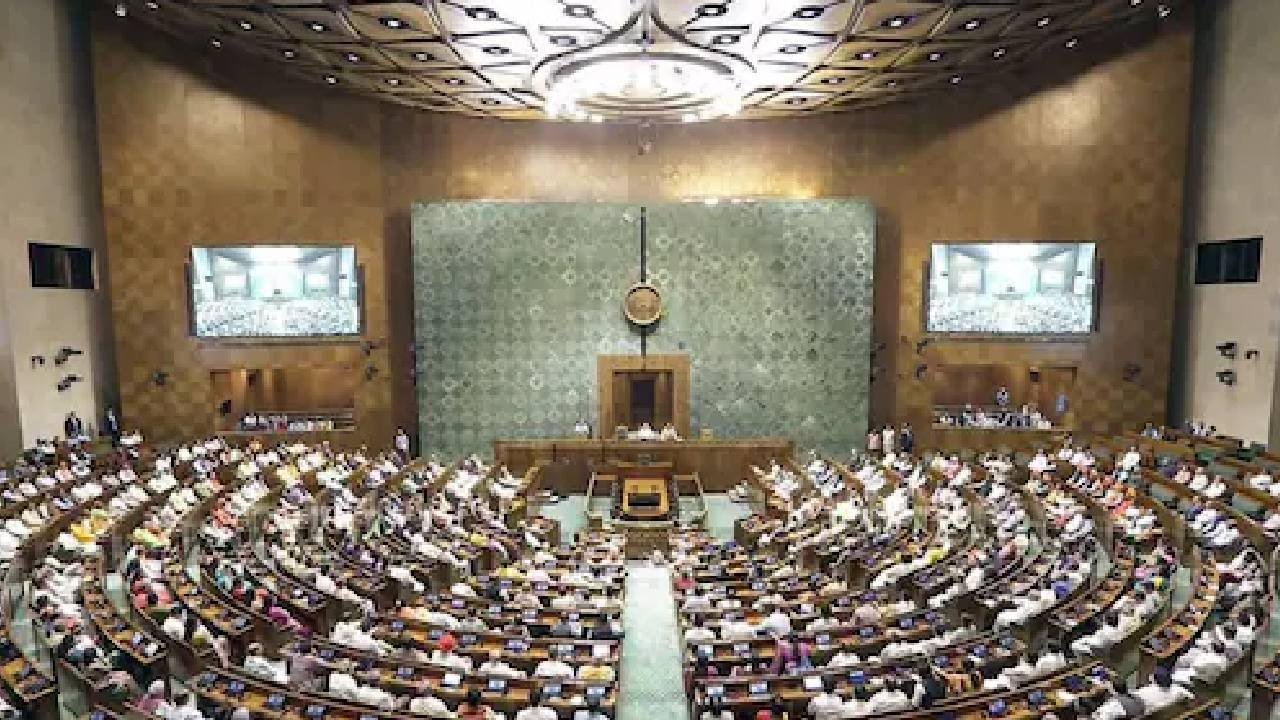
The Lok Sabha has passed the Industrial Relations Code (Amendment) Bill 2026 to clarify the legal status of the repeal of earlier labour laws subsumed under the Industrial Relations Code, 2020. While described as a technical correction, the amendment has revived debate on labour reforms versus labour rights in India.
Q1. What is the Industrial Relations Code, 2020?
- One of the four Labour Codes enacted to consolidate central labour laws.
- Seeks to streamline industrial relations under a single framework.
- Aims to balance ease of doing business (EoDB) with worker protection.
- It subsumed:
- Trade Unions Act, 1926
- Industrial Employment (Standing Orders) Act, 1946
- Industrial Disputes Act, 1947
Q2. What problem does the 2026 Amendment seek to address?
- Issue:
- Section 104 of the 2020 Code provided for repeal of the earlier Acts.
- Concerns emerged about:
- Whether repeal was automatic.
- Whether repeal required executive notification.
- Potential claims of improper delegated legislation.
- Amendment Objective:
- Clarifies repeal occurred by operation of Section 104 itself.
- Reinforces savings provisions for continuity of past actions.
- Prevents future legal challenges and ambiguity.
Q3. Why is repeal clarity constitutionally significant?
- Repeal of statutes must reflect legislative intent clearly.
- Avoids confusion between Parliament’s power and executive notification.
- Prevents litigation on legislative competence.
- Protects validity of past industrial adjudications under repealed Acts.
- This is a legislative housekeeping exercise with constitutional implications.
Q4. What are the key features of the Industrial Relations Code, 2020?
- Provision for fixed-term employment.
- Clear framework for trade union recognition.
- Threshold-based prior government approval for layoffs/closures.
- Digitalisation of compliance and documentation.
- Compulsory issuance of appointment letters.
Q5. What is the Government’s position on labour codes and the amendment?
- Codes ensure minimum wages and equal pay.
- Strengthen formalisation of labour markets.
- Provide greater transparency in industrial relations.
- Promote industrial growth alongside worker welfare.
- Seen as structural reform necessary for manufacturing expansion.
Q6. What are the Opposition’s major criticisms?
- Alleged “ease of firing” without adequate safeguards.
- Concerns about weakened job security.
- Fear of dilution of collective bargaining power.
- Claim that retrospective clarification reflects legislative oversight.
- Accusation of favouring corporates over workers.
Q7. How does the amendment reflect the broader labour reform debate?
- Core Tension: Labour flexibility for investment vs labour protection for social justice.
- Structural Question: Can economic efficiency coexist with strong worker safeguards?
- Political Dimension: Trade union mobilisation and strike threats reflect trust deficit.
Q8. What are the administrative and federal dimensions involved?
- Labour falls under the Concurrent List.
- States must frame rules under the Code.
- Variation in enforcement across states may arise.
- Coordination required between Centre and States for uniform implementation.
Q9. What are the economic and industrial implications?
- Clear legal framework improves investor confidence.
- Reduced compliance complexity.
- Potential boost to manufacturing and MSME growth.
- However, labour unrest could offset economic gains if concerns persist.
Q10. What are the benefits of the Amendment?
- Removes ambiguity over repeal validity.
- Protects past and ongoing industrial proceedings.
- Strengthens legal certainty.
- Prevents future constitutional challenges.
- Reinforces legislative clarity.
Q11. What concerns remain despite the Amendment?
- Persistent trust deficit with labour unions.
- Fear of weakened job security in practice.
- Implementation challenges at state level.
- Risk of industrial unrest.
- Judicial scrutiny possible on broader Code provisions.
Q12. What safeguards and oversight mechanisms are necessary?
- Transparent rule-making by states.
- Strengthening labour inspection systems.
- Clear guidelines against arbitrary termination.
- Periodic impact assessment of labour codes.
- Institutionalised dialogue with trade unions.
Conclusion
The Industrial Relations Code (Amendment) Bill 2026 primarily seeks to eliminate legal uncertainty regarding repeal of earlier labour laws. However, it reopens fundamental questions about balancing labour flexibility with worker protections. As India pursues industrial expansion, sustained dialogue, transparent implementation, and institutional safeguards will determine whether reform translates into industrial harmony and inclusive growth.