Context
Birsa Munda’s birth anniversary on 15 November, celebrated since 2021 as Janjatiya Gaurav Diwas, concluded the 150th birth anniversary year (2024–25). Recent government initiatives and commemorations have renewed national attention on tribal heritage, historical struggles, and empowerment-oriented policymaking.
Historic Tribal Resistance
- From the late 18th to early 20th century, tribal communities mounted powerful resistances to protect their land, culture, and identity from colonial rule, landlords, and moneylenders.
- Leaders such as Birsa Munda (Ulgulan), Alluri Sitarama Raju, Sidhu–Kanhu, Rani Gaidinliu, Veer Gundadhur, Tantia Bhil, Ramji Gond, and Veer Narayan Singh shaped India’s freedom struggle.
National Recognition
- In 2021, the government declared 15 November as Janjatiya Gaurav Diwas to formally honour tribal freedom fighters.
- The period 2024–25 was observed as Janjatiya Gaurav Varsh marking Birsa Munda’s 150th birth anniversary.
Policy Transformation
- Recent years show a shift from welfare-based to empowerment-oriented tribal policy.
- Key initiatives include PM-JANMAN, Dharti Aaba Janjatiya Gram Utkarsh Abhiyan, geotagging of tribal products, and the Tribal Business Conclave.
- PM-JANMAN (Pradhan Mantri – Janjati Adivasi Nyaya Maha Abhiyan)
- It is a targeted national mission launched for 75 Particularly Vulnerable Tribal Groups (PVTGs). It aims to ensure basic infrastructure and essential services in the most remote tribal habitations.
- Provides pucca houses, clean drinking water, road connectivity, electricity, and sanitation.
- PM-JANMAN (Pradhan Mantri – Janjati Adivasi Nyaya Maha Abhiyan)
- Ensures access to healthcare, nutrition, and vaccination.
- Improves education through residential schools and digital support.
- Supports livelihoods, including skill training and market access.
- Uses a mission mode, with multi-ministry coordination to close all basic-service gaps.
- Dharti Aaba Janjatiya Gram Utkarsh Abhiyan
- It is a government initiative focused on the holistic development of tribal-majority villages.
- It aims for 100% saturation of basic services—housing, drinking water, electricity, roads, healthcare, and education—in more than 63,000 tribal-majority villages.
- Uses convergent planning, bringing together multiple schemes to eliminate service gaps.
- Ensures infrastructure, livelihoods, and social development reach every tribal household.
- Promotes inclusive governance by involving local tribal institutions in planning and monitoring.
Educational and Institutional Measures
The establishment of a dedicated Ministry of Tribal Affairs and the expansion of Eklavya Model Residential (EMR) Schools (728 planned; 479 functional; ~3.5 lakh students) strengthen tribal human capital.
Cultural Preservation
Eleven Tribal Freedom Fighter Museums across 10 states (four operational) use digital and immersive tools to preserve tribal history.
Significance and Contemporary Relevance
- Historical Marginalisation: Tribals experienced severe exploitation and displacement under colonial policies and intermediary systems.
- Cultural Visibility: Recognition corrects historic invisibilisation of tribal contributions to the freedom struggle.
- Development Gaps: Tribal regions lag in infrastructure, education, health, and livelihoods, demanding focused action.
- Integration with Identity Protection: Policies aim to combine mainstream socio-economic inclusion while preserving tribal culture.
- Strengthening National Unity: Honouring tribal leaders reinforces their role in shaping India’s democratic and social fabric.
How the Issue is Being Addressed?
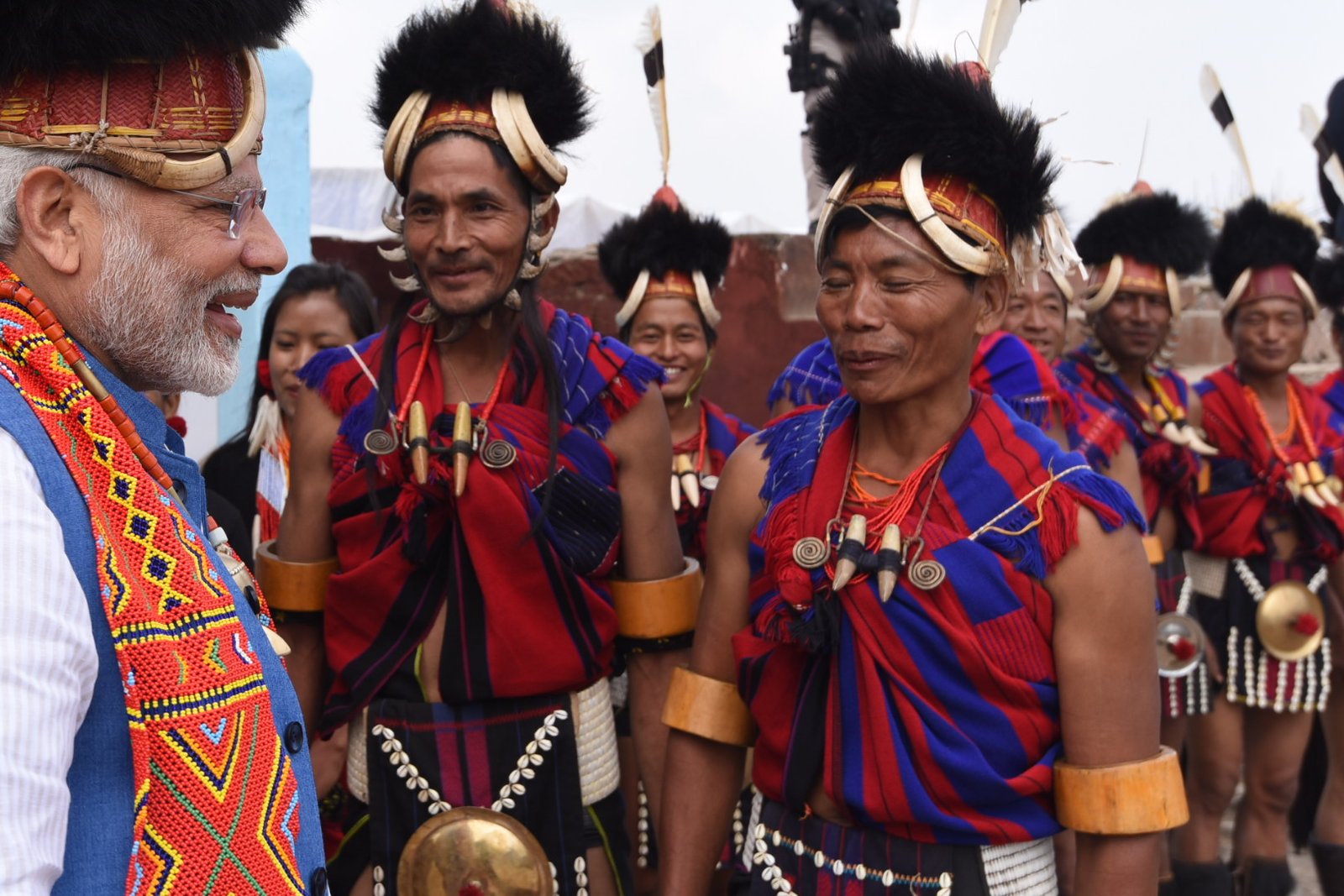
- Symbolic Recognition: Observance of Janjatiya Gaurav Diwas, PM visits (including Ulihatu), and state-level commemorations.
- Flagship Missions: PM-JANMAN provides pucca houses, roads, drinking water, electricity, healthcare, and education to PVTGs.
- Village-Level Saturation: The Dharti Aaba Gram Utkarsh Abhiyan aims for 100% basic-service saturation in 63,000+ tribal-majority villages.
- Market Linkages: Initiatives like geotagging tribal products and Tribal Business Conclave enhance income opportunities.
- Educational Expansion: Large-scale growth of EMR schools ensures quality education and residential facilities for tribal children.
- Cultural Infrastructure: Museums immortalise tribal leadership and resistance using digital storytelling.
Implications of These Measures
- Cultural Pride and Awareness: Mainstream India gains visibility into the tribal role in national history.
- Improved Living Standards: Infrastructure-focused missions uplift socio-economic indicators in tribal areas.
- Reduced Alienation: Better representation and recognition strengthen trust in institutions.
- Economic Empowerment: Market access enhances livelihood security.
- Long-Term Inclusion: Combining education, infrastructure, and identity protection creates sustainable growth pathways.
Challenges & Way Forward
| Challenge | Way Forward |
| Service delivery gaps | Time-bound saturation, geospatial monitoring, social audits |
| Weak land and forest rights protection | Strengthen Forest Rights Act implementation; ensure prior informed consent |
| Quality gaps in EMR schools | Improve teacher availability, culturally-relevant curriculum, learning assessment |
| Limited market access | Strengthen cooperatives, digital platforms, branding and value-addition |
| Cultural dilution risks | Promote participatory planning, protect cultural practices |
| Administrative capacity issues | Capacity-building, transparency portals, grievance mechanisms |
| Environmental concerns | Implement sustainable development, community-led forest management |
Conclusion
Recognising tribal freedom fighters and strengthening empowerment-based policies mark a crucial shift toward justice and inclusion. The future depends on protecting land rights, improving grassroots governance, and ensuring that tribal communities lead development while preserving their identity and cultural vibrancy.
| EnsureIAS Mains Question
Q. Discuss how the recognition of tribal freedom fighters combined with empowerment-oriented policies can address historical marginalisation of India’s tribal communities. Suggest institutional safeguards to protect tribal land and cultural rights. (250 Words) |
| EnsureIAS Prelims Question
Q. Consider the following statements: 1. Janjatiya Gaurav Diwas is observed on 15 November to honour Birsa Munda and was declared in 2021. 2. PM-JANMAN focuses on providing basic services to 75 PVTGs. Which of the statements given above is/are correct? Answer: C Explanation: Statement 1 is correct: 15 November was declared Janjatiya Gaurav Diwas in 2021 to honour Birsa Munda. Statement 2 is correct: PM-JANMAN specifically targets 75 PVTGs and includes housing, roads, water, electricity, healthcare, and education. |