Context
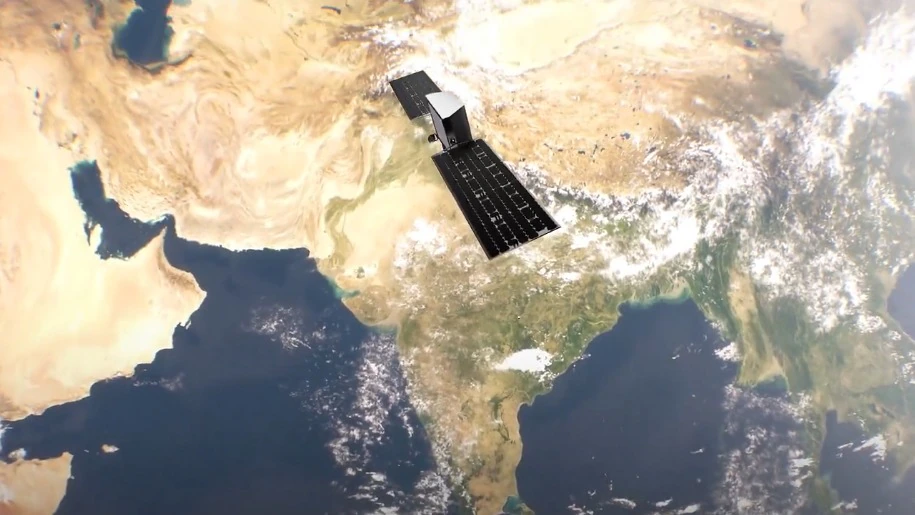
Pixxel, a Bengaluru-based satellite imaging company, in collaboration with Sarvam, is developing India’s first orbital data centre satellite named Pathfinder. Scheduled for launch in 2026, the mission aims to test advanced onboard computing capabilities in space using artificial intelligence and hyperspectral imaging technologies.
The project reflects the growing global interest in space-based computing as a future component of digital and satellite infrastructure.
Orbital Data Centre
- An orbital data centre refers to satellites equipped with high-performance computing systems capable of processing and analysing data directly in space.
- Unlike conventional satellites that mainly transmit raw information to Earth, these systems can process data onboard using advanced graphics processing units (GPUs).
- The concept is based on edge computing, where computation occurs close to the source of data generation, reducing transmission delays and dependence on terrestrial cloud infrastructure.
Pathfinder Mission
The Pathfinder mission is designed as a technology demonstration project to evaluate whether data-centre-grade computing hardware can function efficiently in low Earth orbit.
The satellite will:
- use advanced GPUs for onboard computing,
- support artificial intelligence applications in orbit, and
- integrate hyperspectral imaging technology for analysing Earth observation data directly in space.
The mission will also assess the performance of computing systems under orbital conditions such as radiation exposure and thermal stress.
Importance of Orbital Data Centres
- Reducing Pressure on Earth-Based Data Centres: Rapid expansion of artificial intelligence and cloud services has increased demand for electricity, cooling infrastructure and land resources on Earth.
- Faster and Efficient Data Processing: Processing satellite data directly in orbit can reduce communication delays and lower the burden of transmitting massive volumes of raw information to Earth.
- Access to Continuous Solar Energy: Satellites in orbit can access near-continuous solar energy, making space a potentially favourable environment for energy-intensive computing systems.
- Strategic and Technological Significance: Orbital computing is emerging as an important sector with applications in communication, remote sensing, defence and advanced digital technologies. Several international firms, including SpaceX, Blue Origin and Microsoft through Azure Space, are exploring related technologies.
Major Challenges
- Managing heat in space is difficult because vacuum conditions prevent normal heat dissipation, increasing the risk of overheating in advanced processors.
- Exposure to cosmic radiation can damage electronic components and affect the reliability of digital data.
- Radiation-resistant chips used in spacecraft are generally less advanced than commercial processors available on Earth, limiting computing performance.
- Satellites require efficient power-storage systems to maintain operations during periods without sunlight.
- Repairing and maintaining orbital computing systems remains technically difficult and expensive.
- Space-based computing infrastructure is currently more costly than conventional terrestrial data centres.
Significance for India
- Strengthens India’s capabilities in advanced satellite technology and onboard computing systems.
- Encourages indigenous innovation in emerging space technologies.
- Improves efficient processing of hyperspectral and Earth observation data.
- Reduces dependence on terrestrial infrastructure for specialised satellite applications.
- Positions India in the emerging global orbital computing ecosystem.
Future Prospects
- Supporters believe that reusable rockets, lower launch costs and deployment of large satellite constellations could improve the long-term economic viability of orbital computing systems.
- However, experts believe that orbital data centres are more likely to complement terrestrial cloud infrastructure in the near future rather than replace it entirely.
Conclusion
The Pathfinder mission represents an important step in India’s expanding space technology ecosystem and highlights the growing convergence of satellite systems and advanced computing technologies.
Although orbital data centres continue to face significant technological and economic challenges, they hold long-term potential for transforming data processing, Earth observation and future digital infrastructure in space.