Context
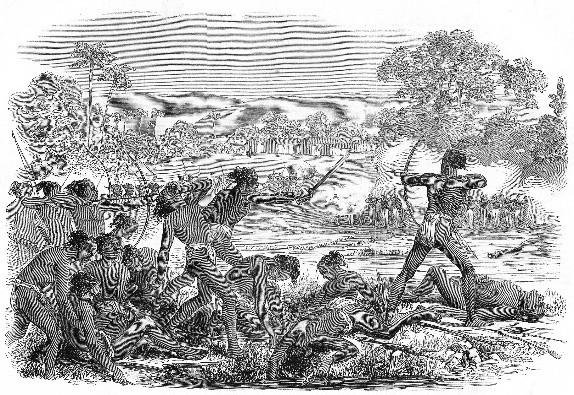
Recently, Jharkhand observed Hul Diwas to commemorate the Santhal Rebellion (1855–56) and pay tribute to its tribal leaders.
About Hul Diwas
- Hul Diwas is observed annually on 30 June to mark the beginning of the Santhal Rebellion.
- In the Santhali language, ‘Hul’ means revolution, uprising, or resistance.
- The day symbolises the valour, sacrifice, and cultural identity of tribal communities, particularly in Jharkhand, West Bengal, Bihar, Odisha, and Assam.
Santhal Rebellion (1855–56)
- The Santhal Rebellion was one of the earliest and largest tribal uprisings against British rule, the exploitative zamindari system, and moneylenders (mahajans).
- It began on 30 June 1855 at Bhognadih (present-day Sahibganj district, Jharkhand) and continued until 3 January 1856, spreading across present-day Jharkhand, Bihar, and West Bengal.
- The movement was led by Sidho Murmu and Kanhu Murmu, with significant contributions from Phulo Murmu and Jhano Murmu.
- The rebellion was triggered by land alienation, exploitation by moneylenders, zamindars, and British officials, the erosion of traditional tribal self-governance, and growing colonial oppression.
- The uprising led to the enactment of the Santhal Pargana Tenancy Act, 1876, which restricted the transfer of Adivasi land to non-Adivasis.