Context
The WHO’s Global Hepatitis Report 2026 highlights that India continues to be one of the countries with the highest number of deaths caused by hepatitis, showing that the disease remains a major public health concern.
About Hepatitis
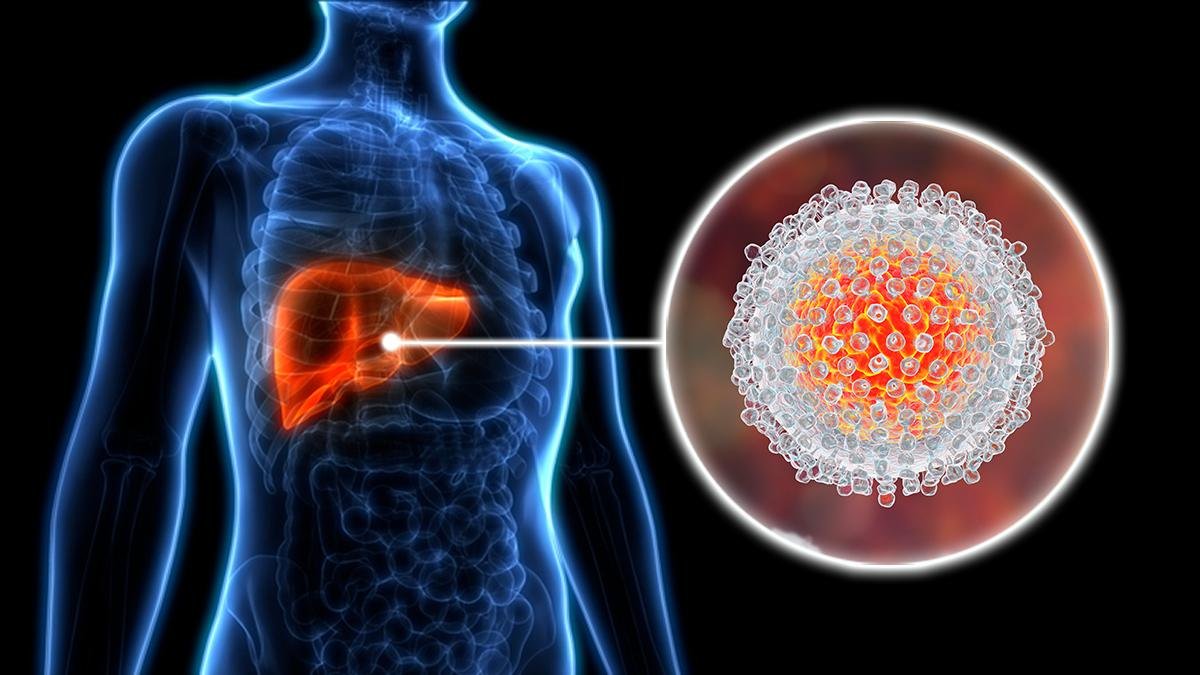
- Hepatitis is a disease that affects the liver and can be caused by viruses as well as non-infectious factors. In some cases, it can lead to serious or even fatal health problems.
- There are five major types of viral hepatitis—A, B, C, D, and E—each differing in how they spread, their severity, and how they can be prevented.
Types of Hepatitis
- Hepatitis A is caused by the hepatitis A virus (HAV) and usually leads to a short-term (acute) illness rather than a long-term condition.
- Hepatitis B is caused by the hepatitis B virus (HBV) and can become a chronic infection, leading to long-term liver problems.
- Hepatitis C is due to the hepatitis C virus (HCV), spreads mainly through infected blood, and is often a long-term infection.
- Hepatitis D is a rare type caused by the hepatitis D virus (HDV)
- Hepatitis E is caused by the hepatitis E virus (HEV), spreads through contaminated water, and is commonly found in areas with poor sanitation.
Severity and Impact
- Hepatitis B and C are the leading causes of severe liver conditions such as cirrhosis (permanent liver damage) and liver cancer, and are responsible for most hepatitis-related deaths.
- Hepatitis D occurs only in people already infected with hepatitis B and can make the disease more severe, though long-term infection is uncommon.
Symptoms
- Many hepatitis infections may show mild symptoms or none at all, making early detection difficult.
- Common symptoms (especially in hepatitis A, B, and C) include fever, fatigue, loss of appetite, nausea, diarrhoea, abdominal pain, dark urine, and jaundice (yellowing of the skin and eyes).
- Hepatitis E may also cause itching, joint pain, skin rashes, pale stools, and in severe cases, liver failure.
Prevention and Control
- Some forms of hepatitis can be prevented through vaccination and proper healthcare measures.
- It is estimated that around 4.5 million early deaths could be avoided by 2030 through better vaccination, testing, treatment, and awareness.
Global Efforts
- The World Health Organization aims to reduce new hepatitis infections by 90% and deaths by 65% between 2016 and 2030.
- World Hepatitis Day is observed globally to raise awareness and promote prevention and treatment.
India’s Initiatives
- India has launched several programmes to tackle hepatitis, including the National Viral Hepatitis Control Programme.
- Efforts are also supported through the National Health Mission and the Universal Immunization Programme (UIP).