Context
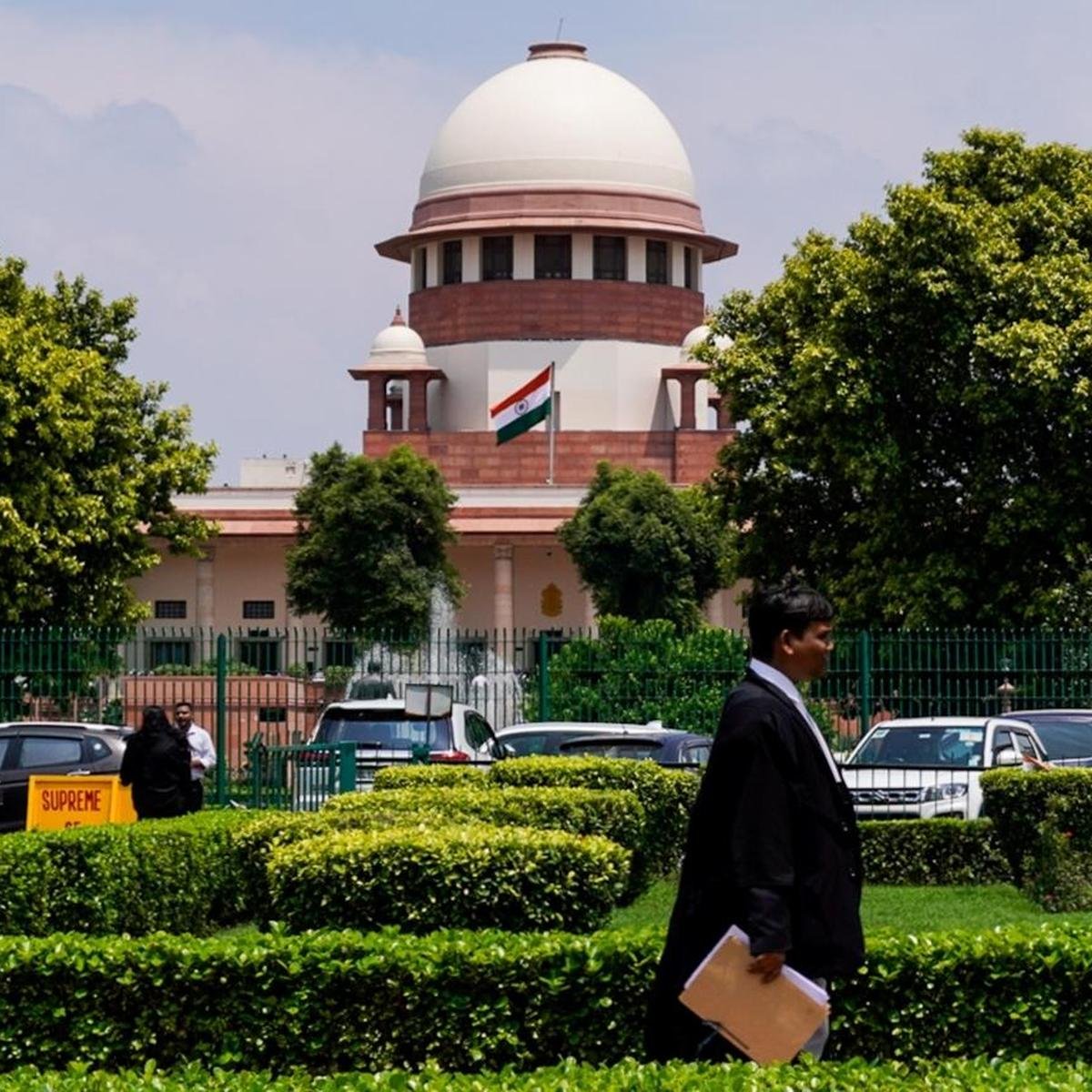
The Calcutta High Court’s Port Blair Bench recently agreed to hear a Public Interest Litigation (PIL) challenging the legality of procedures followed for the ₹81,000 crore Great Nicobar infrastructure project. The petition alleges violations of the Forest Rights Act (FRA), 2006, particularly regarding tribal consent and forest clearance processes.
The proposed project includes:
- An international transshipment port
- An integrated township
- A gas and solar-based power plant
- A dual-use civilian and military airport
Key Legal and Administrative Issues
- The petition questions the legality of the Sub-Divisional Level Committee (SDLC) constituted for Campbell Bay tehsil under the Forest Rights Act.
- It also challenges the Gram Sabha meetings conducted in August 2022 in Campbell Bay, Govind Nagar and Laxmi Nagar, where resolutions supporting diversion of forest land were passed.
- The plea disputes the validity of the Recognition of Forest Rights (RoFR) certificate issued in August 2022, which declared that all forest rights claims had been settled.
- According to the petition, the administration relied on these approvals to secure environmental and forest clearances despite procedural irregularities.
Concerns Regarding Forest Rights Act Compliance
- Under the Forest Rights Act, diversion of forest land is permissible only after settlement of forest rights claims.
- The petition argues that no forest rights claims were properly recognised or settled on Great Nicobar Island before project approval.
- It further alleges that the SDLC did not comply with FRA rules requiring adequate Scheduled Tribe representation, including representation of women members.
- Questions have also been raised regarding the legitimacy of Gram Sabhas, as the bodies granting consent allegedly represented settler populations rather than recognised tribal forest dwellers.
- The plea states that no properly constituted Forest Rights Committee initiated the claims process before Gram Sabha consultations.
Tribal Consent and Indigenous Rights
- The petition disputes the claim that consent provided by the Nicobarese tribal council represented the entire community, especially after the council reportedly withdrew support later in 2022.
- Serious concerns have also emerged regarding the Shompen tribe, a Particularly Vulnerable Tribal Group (PVTG) with limited external contact.
- The plea argues that consent obtained through intermediary government agencies cannot substitute for informed and direct tribal consent.
- It further contends that the Shompen community may not fully understand administrative procedures, legal terminology or documents used during the consultation process.
Environmental and Socio-Cultural Concerns
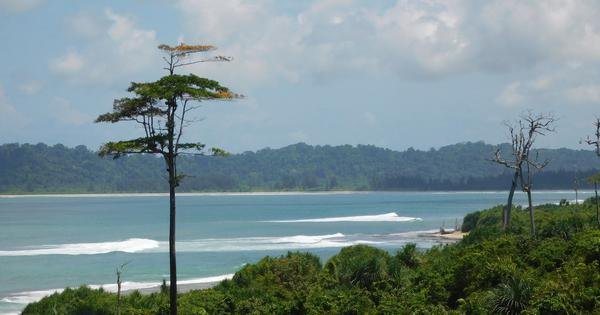
- The proposed project area overlaps with ecologically sensitive forest regions and tribal habitats.
- The petition argues that large-scale diversion of forest land could disrupt traditional livelihoods, hunting grounds, water access and cultural practices of indigenous communities.
- Concerns have also been raised regarding the reduction of eco-sensitive buffer zones around Galathea and Campbell Bay National Parks.
- The plea highlights that previous developmental interventions on the island had already pushed tribal populations deeper into forest interiors.
Way forward
- Ensure strict compliance with FRA provisions before forest diversion.
| 2. Conduct transparent and legally valid consultations with genuine tribal representation
3. Adopt a rights-based and culturally sensitive rehabilitation framework 4. Strengthen environmental impact assessments and independent ecological review 5. Properly constitute SDLCs and Forest Rights Committees as per legal norms 6. Balance national infrastructure goals with environmental sustainability and tribal welfare 7. Develop communication and consultation methods suited to vulnerable tribal communities |
Conclusion
The Great Nicobar Project reflects the growing tension between strategic infrastructure development and protection of ecological and tribal rights. While the project holds economic and geopolitical significance, long-term sustainability requires transparent governance, lawful implementation of the Forest Rights Act, environmental safeguards and meaningful participation of indigenous communities in decision-making.