Context
A recent study of ancient human remains from the Lake Baikal region has uncovered the earliest known strains of Yersinia pestis, the bacterium responsible for plague.
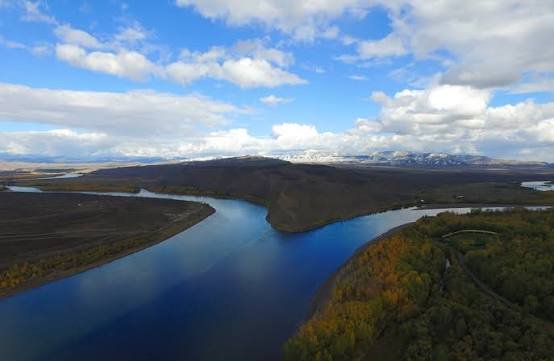
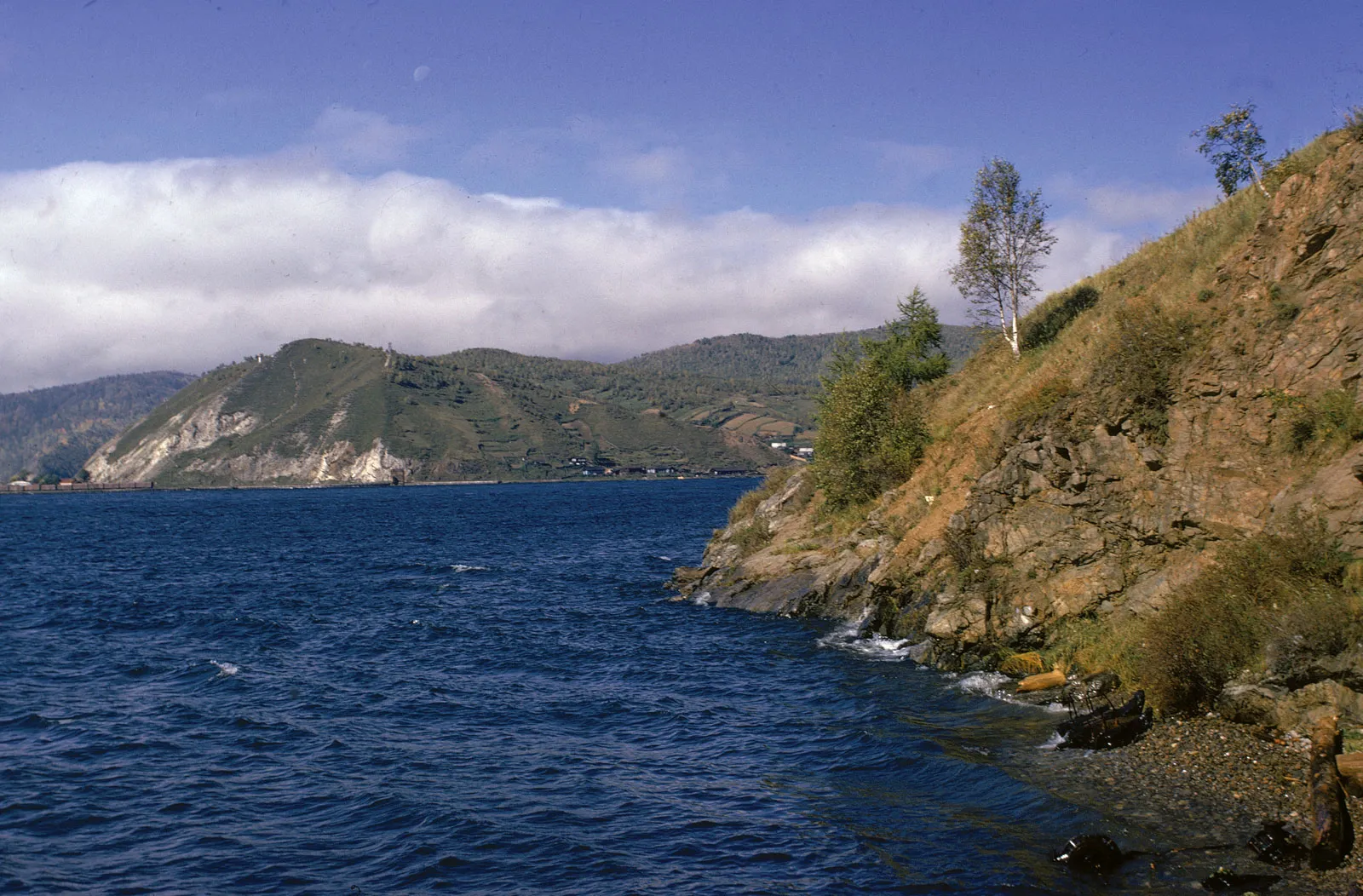
About Lake Baikal
- Lake Baikal is located in southern eastern Siberia, Russia, near the border with Mongolia.
- It is the oldest freshwater lake in the world, estimated to be 20–25 million years old, and the largest freshwater lake by volume.
- It is also the deepest lake on Earth, reaching a maximum depth of about 1,642 metres.
- Sediments beneath the lake extend nearly 7 km, making it the world’s deepest continental rift.
- The lake contains around 45 islands and islets, of which Olkhon Island is the largest.
- About 330 rivers and streams flow into the lake, including the Selenga, Barguzin, Upper Angara, Sarma, and Turka rivers, while the Angara River is its only outlet.
- The Buryat people inhabit the eastern shores of the lake and traditionally follow Tibetan Buddhism.
- Lake Baikal was designated a UNESCO World Heritage Site in 1996.