Context
- Recent studies have provided new insights into hypermobile Ehlers-Danlos syndrome (hEDS), particularly its possible links with genetic factors, hormone metabolism and sleep disorders.
- These findings are important because hEDS is the most common EDS subtype, but its exact genetic basis remains uncertain.
About Ehlers-Danlos Syndrome
- Ehlers-Danlos syndromes (EDS) are a group of inherited disorders affecting the body’s connective tissues, which provide strength and flexibility to different body structures.
- Connective tissue supports the skin, joints, ligaments, blood vessels and internal organs.
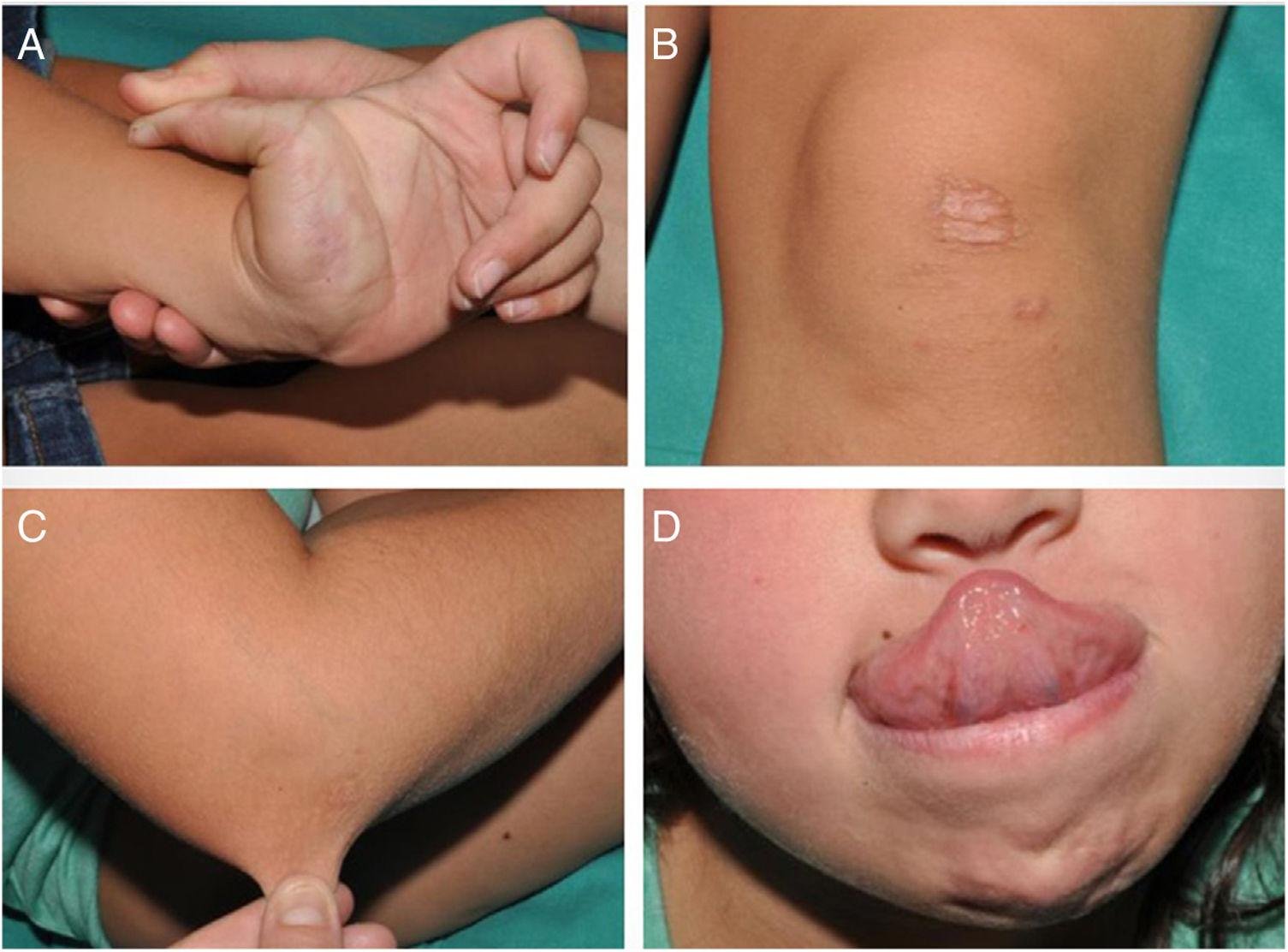
- Common features include joint hypermobility, stretchy or fragile skin, easy bruising and tissue fragility.
- Cause: Most EDS types result from genetic changes affecting collagen or other components of connective tissue.
- The 2017 International Classification recognises 13 EDS subtypes.
Major Types of EDS
- Hypermobile EDS (hEDS): Most common type; mainly causes joint hypermobility, instability and chronic pain.
- Classical EDS (cEDS): Mainly characterised by stretchy and fragile skin, abnormal scarring and joint hypermobility.
- Vascular EDS (vEDS): Causes fragile blood vessels and internal organs, increasing the risk of potentially serious arterial or organ rupture.
- Kyphoscoliotic EDS (kEDS): Associated with spinal curvature, muscle weakness and joint hypermobility, often beginning early in life.
What Do Recent Studies Suggest?
- Genetic link: A recent study of a family affected by hEDS identified variants involving CD44, ITIH2 and ADAM21, providing new clues about its genetic basis. However, larger studies are needed to establish their wider role.
- Hormonal link: Women with hEDS showed differences in androgen-related hormone metabolites, suggesting altered hormone metabolism may be associated with the condition. However, a direct causal link is not yet established.
- Sleep problems: People with hEDS/HSD and obstructive sleep apnoea (OSA) showed poorer sleep efficiency and greater insomnia. Persistent sleepiness despite effective CPAP treatment suggests that factors beyond OSA may also contribute to fatigue.
Diagnosis and Treatment
- Diagnosis: Doctors assess joint hypermobility, skin features, family history and other clinical symptoms. Genetic testing can confirm most EDS subtypes.
- hEDS diagnosis: Unlike other EDS types, hEDS currently has no established confirmatory genetic test and is diagnosed mainly through clinical criteria.
- Treatment: There is no cure for EDS. Management focuses on physiotherapy, joint protection, pain management and monitoring of complications.
- People with high-risk forms, particularly vascular EDS, may require specialised monitoring because of possible blood-vessel and organ complications.
FAQs
Q1. What is Ehlers-Danlos Syndrome?
It is a group of inherited disorders affecting the body’s connective tissues.
Q2. Which is the most common EDS subtype?
Hypermobile Ehlers-Danlos syndrome (hEDS).
Q3. How many EDS subtypes are recognised under the 2017 classification?
The classification recognises 13 subtypes.
Q4. Is a confirmatory genetic test available for hEDS?
No. hEDS is currently diagnosed mainly using clinical criteria.
Q5. Is Ehlers-Danlos Syndrome curable?
No. Treatment focuses on managing symptoms and preventing complications.